How to Break Down a Grand Landscape Into a Photograph That Actually Feels Like Something

How to Break Down a Grand Landscape Into a Photograph That Actually Feels Like Something

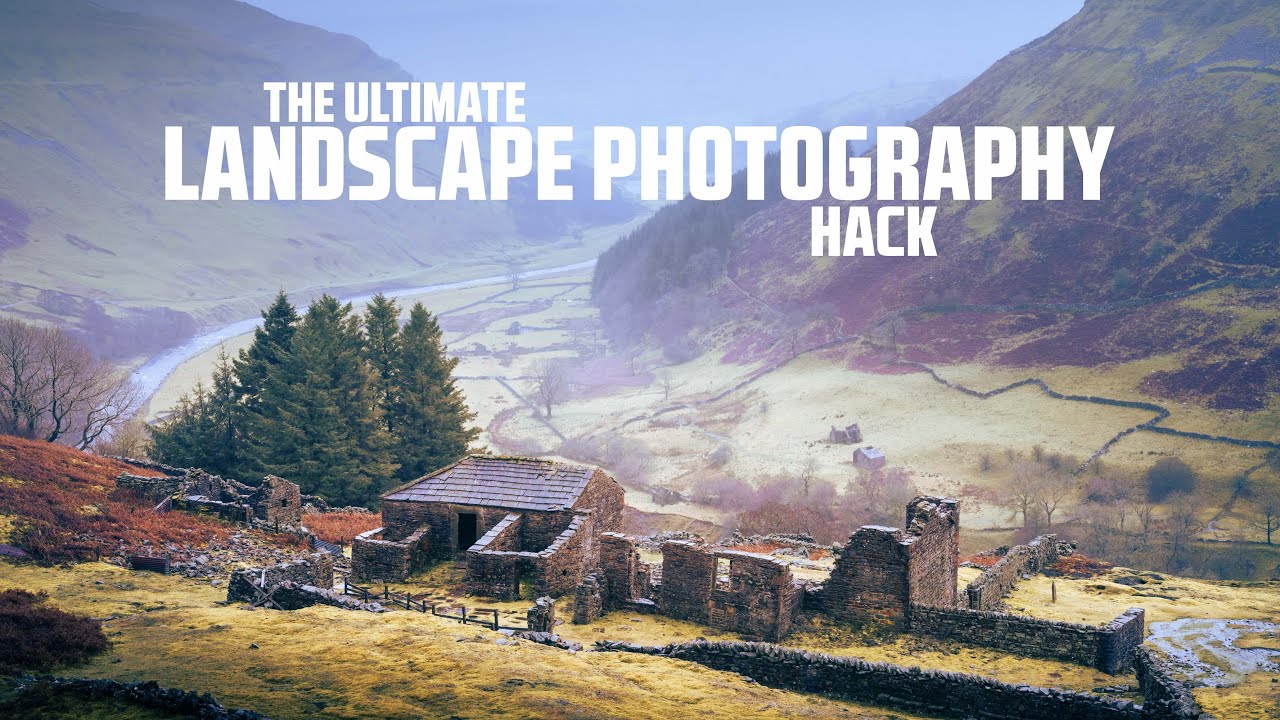
There’s a particular kind of paralysis that hits you when the landscape is almost too big. You’ve hiked in, the light is doing something extraordinary, and you’re standing there rotating slowly with your camera raised, trying to stuff a 180-degree panorama into a single frame. I’ve been doing this for twenty years and it still gets me. The shot that usually comes out of that moment is technically fine and emotionally empty, because when a viewer doesn’t know where to look, they don’t feel anything.

Why Your Waterfall Photos Look Flat (And What I Do Differently in the Field)

Why Your Waterfall Photos Look Flat (And What I Do Differently in the Field)

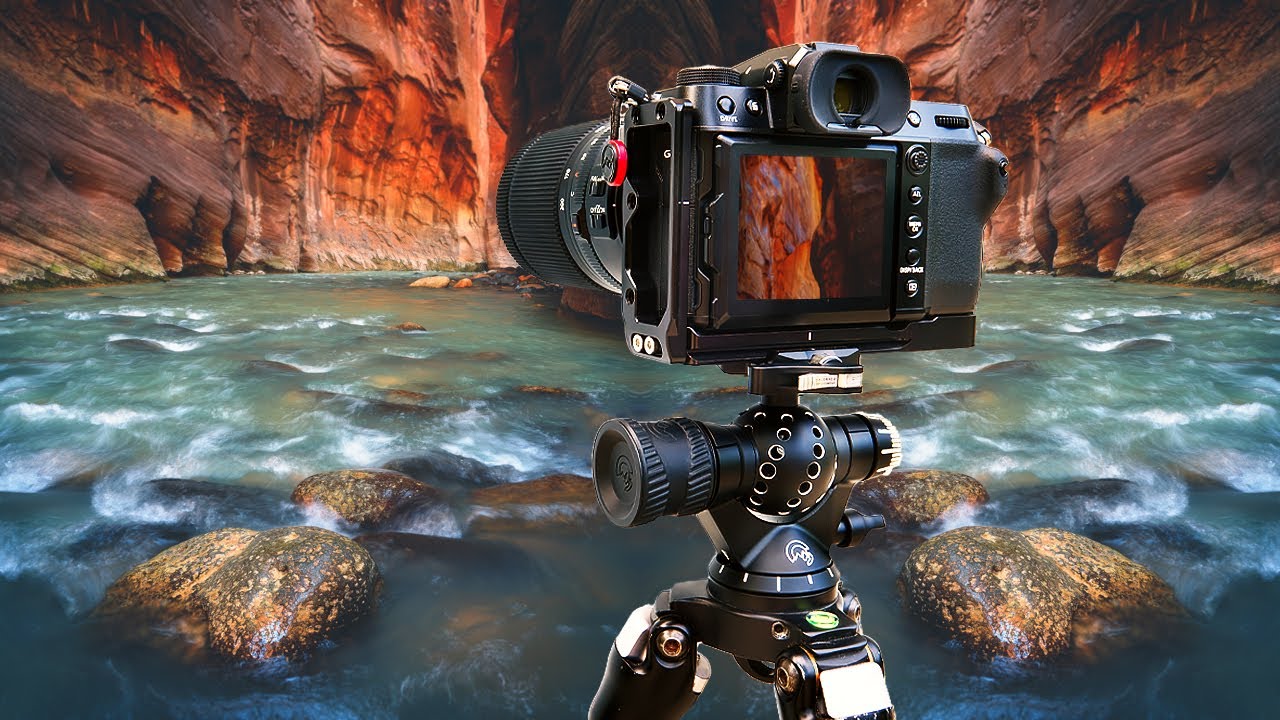
The first thing I notice when I arrive at a waterfall is the sound. Before the camera bag comes off my shoulder, before I’ve even thought about composition, I’m listening. The volume and rhythm of moving water tells me something useful: how much flow there is, whether there’s been recent rain, how the light will likely behave once it hits the mist. After two decades of doing this, that listening has become instinct.

What Marc Muench Taught Me About Seeing Light Before You Lift the Camera

What Marc Muench Taught Me About Seeing Light Before You Lift the Camera

There’s a version of landscape photography where you chase the histogram, obsess over sharpness, and treat every outing like a technical exam. I spent a few years in that mode early on, and the images I made were technically fine and emotionally empty. What changed things for me wasn’t a new lens or a better sensor. It was understanding that the photograph begins long before you lift the camera. That realization is exactly what Marc Muench leads with in his Nature Visions seminar, and it’s why I keep coming back to it when I need to recalibrate.

Why Your Panoramas Feel Flat (And the Overlap System That Fixed Mine)

Why Your Panoramas Feel Flat (And the Overlap System That Fixed Mine)

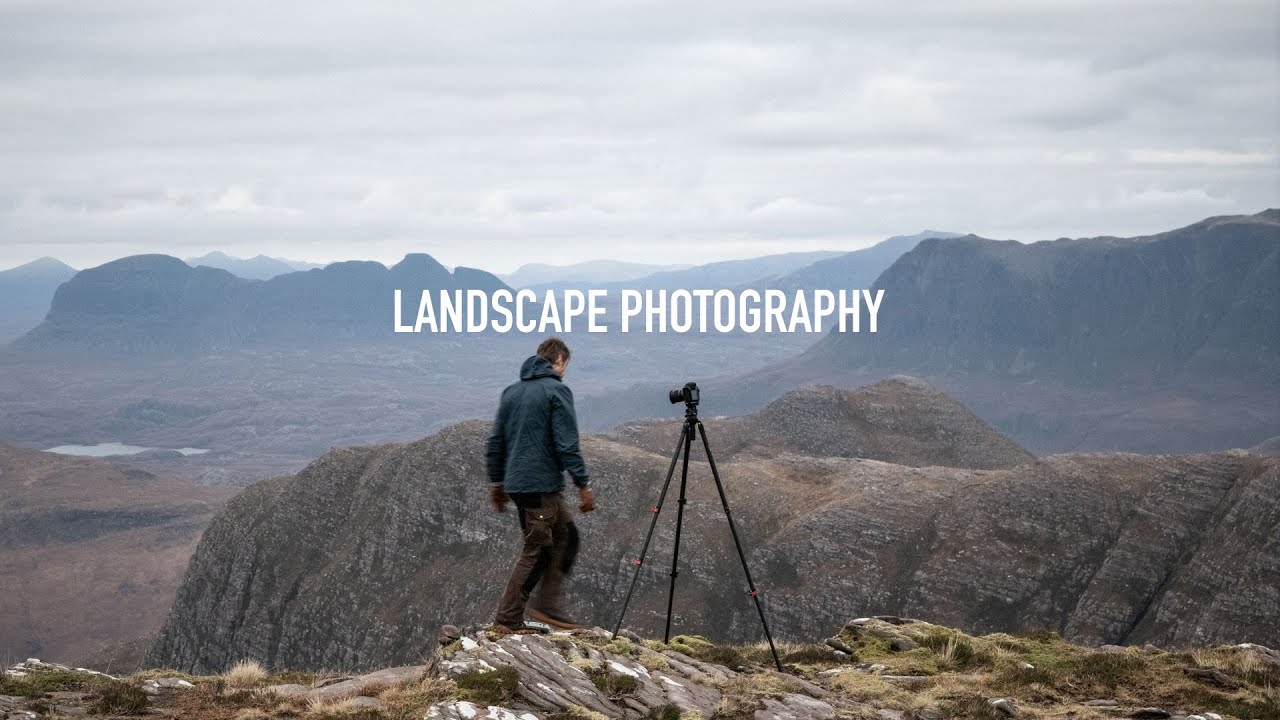
There’s a ridgeline outside Bend I’ve been shooting for years. On a clear morning in October, it catches the first alpenglow in a way that makes the whole sky feel like it’s been lit from underneath. The scene is about 180 degrees wide. A single frame, even with my widest rectilinear lens, kills it. The compression flattens the drama, shrinks the peaks, and turns something enormous into something merely pretty. The only answer is a panorama, and for most photographers, that’s where the frustration starts.

When Epic Stops Working: Rediscovering Quiet Light in the Field

When Epic Stops Working: Rediscovering Quiet Light in the Field

There’s a version of this problem I know embarrassingly well. After twenty years of waking before dawn and standing in cold rivers waiting for the light to do something worth photographing, I noticed something uncomfortable about myself: I’d stopped getting excited about ordinary mornings. Not bad mornings. Just ordinary ones. Soft overcast, no wind, no drama. I’d look at the scene, feel nothing, and start running through excuses to pack up early.

The Silent Language of Landscape Composition: Finding Balance in the Wild

The Silent Language of Landscape Composition: Finding Balance in the Wild

The Silent Language of Landscape Composition: Finding Balance in the Wild I remember standing on a ridge in the Cairngorms at dawn, camera in hand, utterly overwhelmed. The light was extraordinary—golden, directional, perfect. Yet when I reviewed my shots later, most felt flat and listless. The problem wasn’t the light or the location. It was that I hadn’t learned to read the landscape. Composition isn’t about following rules. It’s about understanding how your eye naturally moves through a frame, and then orchestrating that movement intentionally.

Swimming With Giants: What TurtleCam Teaches Us About Marine Photography

Swimming With Giants: What TurtleCam Teaches Us About Marine Photography

A New Perspective on the Ocean There’s something profoundly moving about experiencing a landscape through the eyes of another creature. Marine biologist Dr. Nathan Robinson has spent years perfecting this exact concept, and the results are nothing short of transformative for how we understand and photograph marine environments. While many know Robinson from a viral moment early in his career—a compassionate intervention that went global—his true legacy extends far deeper into the ocean.

Capturing the Endless Horizon: Master Coastal Photography in Dynamic Light

Capturing the Endless Horizon: Master Coastal Photography in Dynamic Light

The Coast Demands Your Presence I learned early that photographing the coast requires you to be there—genuinely present, not just passing through. The ocean doesn’t perform on schedule, and the light changes so rapidly that watching it unfold in person teaches you more than any guide ever could. When I’m standing on a rocky shoreline at dawn, salt spray on my lens, I’m not thinking about composition rules. I’m observing how the light catches the water’s surface, where shadows pool between rocks, and how the sky shifts minute by minute.