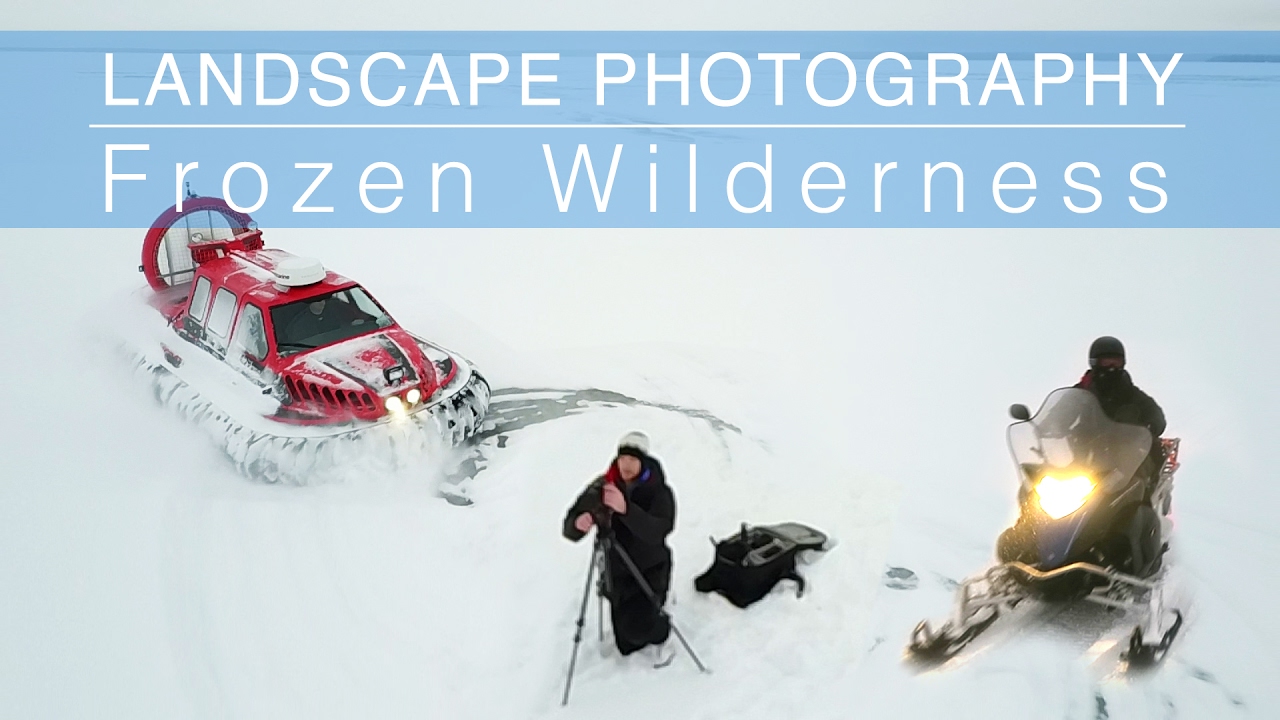
Finding the Shot When There's Nothing to Shoot: Lessons from a Frozen Swedish Wilderness

Finding the Shot When There's Nothing to Shoot: Lessons from a Frozen Swedish Wilderness

Some locations hand you the shot. Golden hour rolls in, the mist sits perfectly in the valley, and even a mediocre composition looks like a painting. Those days are gifts. But they’re not the ones that teach you anything. The days that teach you are the ones where you show up and the landscape looks like a blank piece of paper — flat, featureless, and apparently empty of anything worth pointing a lens at.
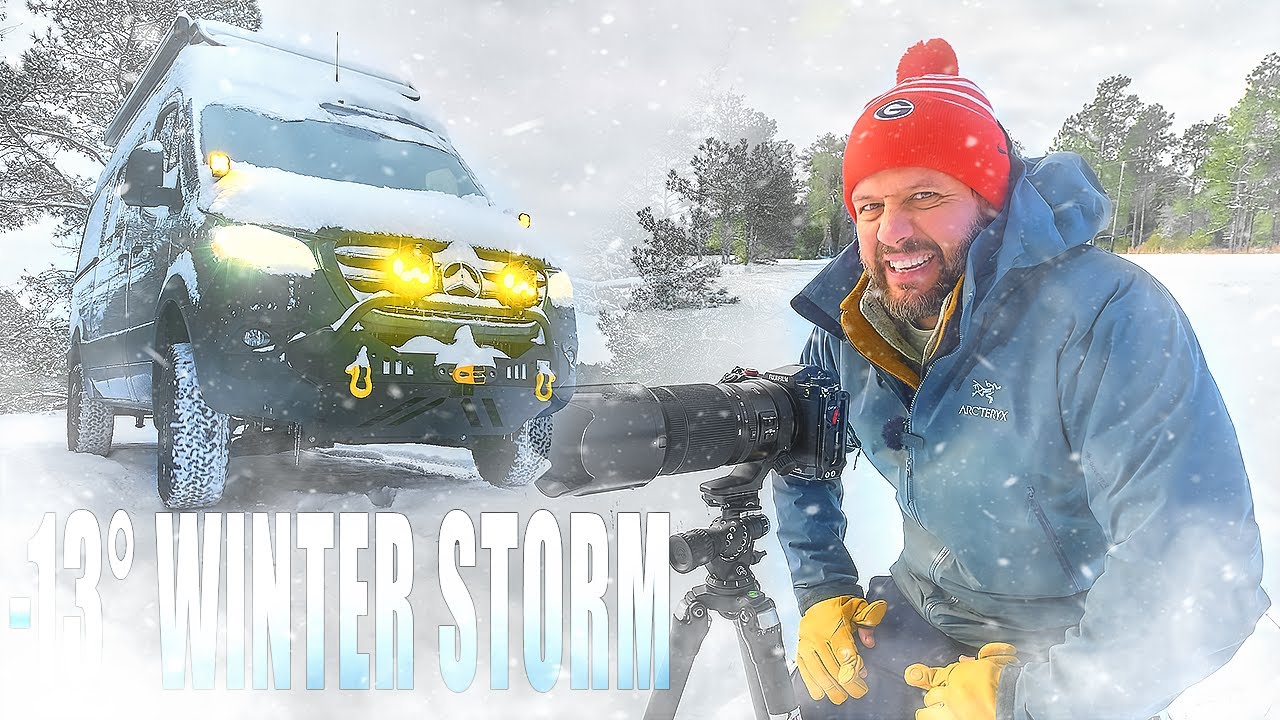
What a Fresh Snowfall Taught Me About Slowing Down and Reading a Winter Scene

What a Fresh Snowfall Taught Me About Slowing Down and Reading a Winter Scene

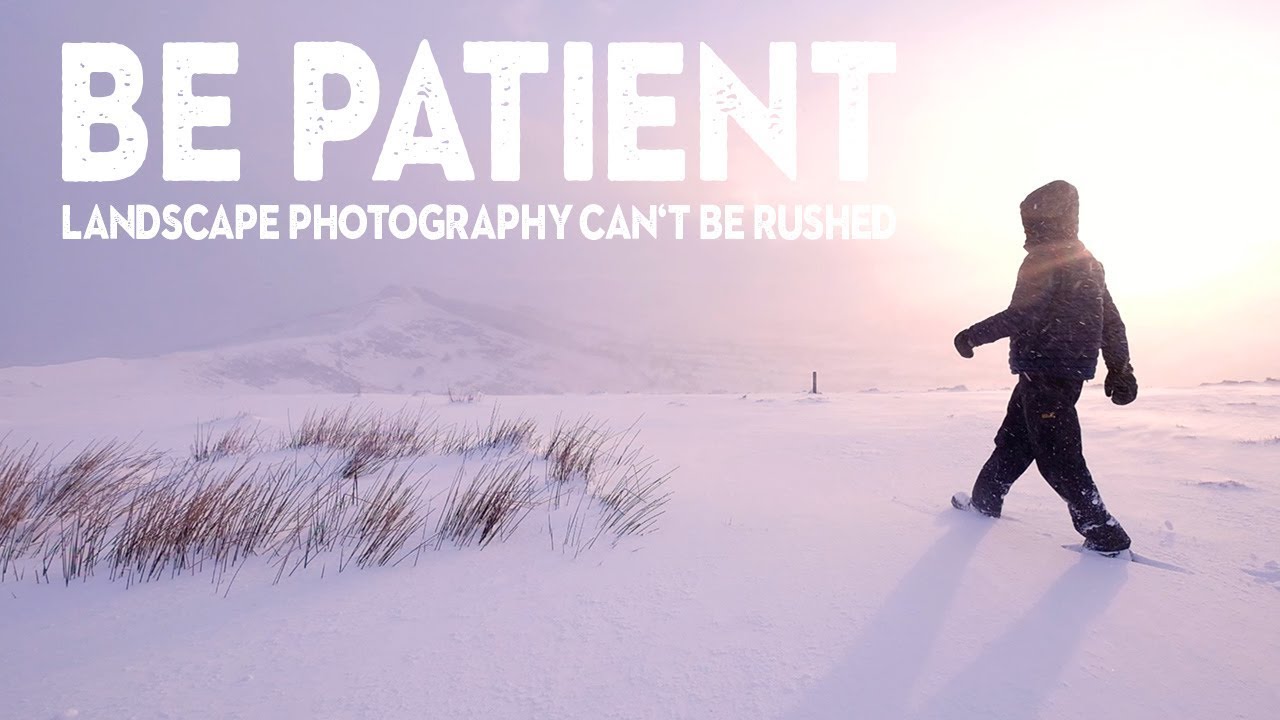
There’s a particular kind of pressure that comes with a fresh snowfall. You know the window is short. Wind strips the branches clean, temperatures climb, and that pristine white surface starts collecting footprints and debris within hours of first light. I’ve been chasing these mornings for two decades now, and I still feel a low hum of anxiety every time I pull into a location and see untouched snow catching the early glow.

Two Focal Lengths Changed How I Think About a Location (And Neither One Is What You'd Expect)

Two Focal Lengths Changed How I Think About a Location (And Neither One Is What You'd Expect)

There’s a habit I carried for years that cost me more good light than I’d like to admit. I’d arrive at a location before dawn, find a composition I liked, lock in my tripod, and then just… stay there. Same frame, same angle, same focal length, shooting variations of the same image until the light died. I told myself I was being disciplined. Really, I was being afraid. Afraid that if I moved, I’d miss the shot.

When the Light Finally Comes: Lessons from Photographing New Mexico's Hoodoos

When the Light Finally Comes: Lessons from Photographing New Mexico's Hoodoos

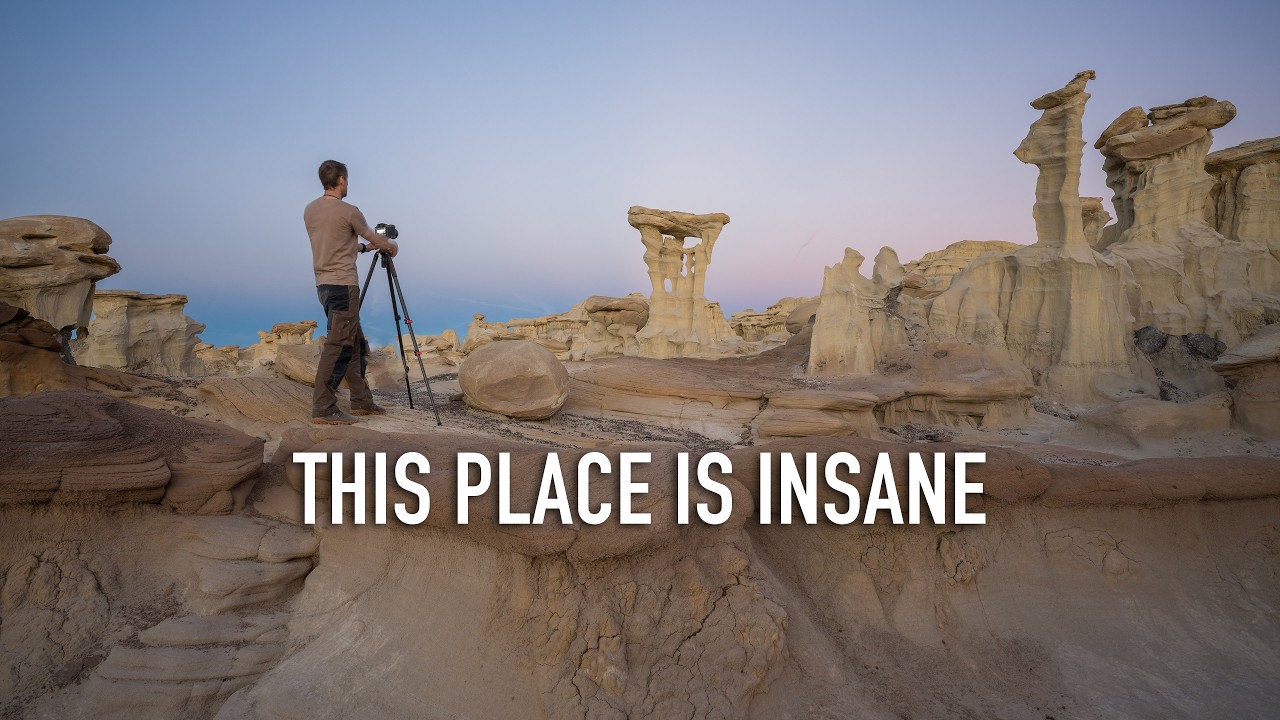
There are landscapes that defeat you before you even raise the camera. I know that feeling well. After twenty years of pre-dawn alarms and long drives across the American West, I’ve stood in places so visually complex and so utterly strange that the camera felt useless in my hands. Too much information. Too little obvious structure. The composition refuses to reveal itself, and you start to wonder whether the problem is the light, the location, or just you.

Keep Your Camera Ready: Thomas Heaton's Field Lessons for Shooting Misty Autumn Woodland

Keep Your Camera Ready: Thomas Heaton's Field Lessons for Shooting Misty Autumn Woodland

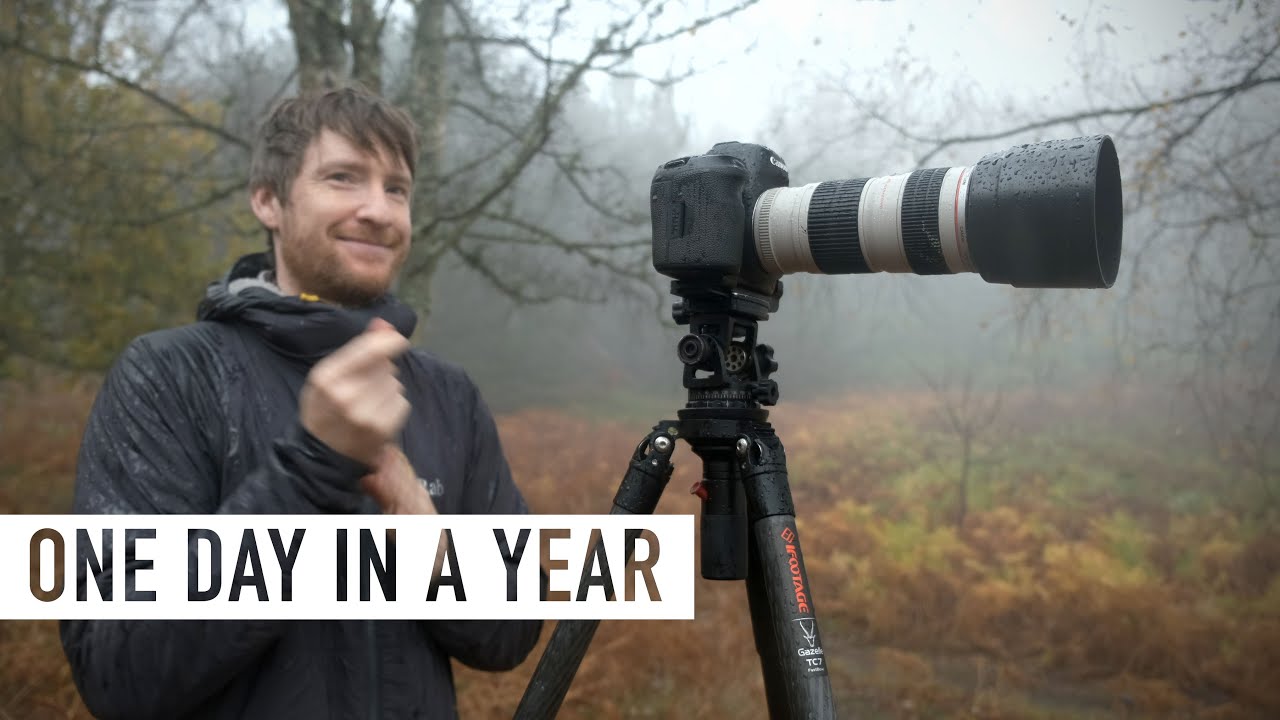
There’s a failure mode I’ve watched repeat itself across twenty years of shooting and a decade of running workshops: the photographer who waits for a guaranteed scene before lifting the camera. They bury the gear in the bag, walk the trail with their hands in their pockets, and only commit to shooting when the light is already halfway to perfect. I’ve been that photographer. The problem is, conditions change faster than certainty arrives, and some of the most resonant images I’ve ever made came from scenes I almost walked past.

Why the Best Shot of My Career Came From Knowing When to Walk Away

Why the Best Shot of My Career Came From Knowing When to Walk Away

A mentor told me once, early in my career, that the mountain doesn’t care about your schedule. I was frustrated, standing in a flat gray drizzle at some overlook in central Oregon that I’d driven four hours to reach. He just shrugged and said we’d come back. We did, three weeks later, and the image I got that second morning is still one I’m proud of. That lesson took years to fully sink in.

Before You Raise the Camera: Composition Fundamentals That Actually Stick

Before You Raise the Camera: Composition Fundamentals That Actually Stick

There’s a particular kind of frustration that comes from driving three hours to a location before sunrise, setting up in perfect light, and coming home with a memory card full of photographs that don’t work. The gear was right. The light was right. Something else wasn’t. After two decades of shooting landscapes full-time, I can tell you that “something else” is almost always composition, and it’s the one variable that no amount of gear spending or location scouting can compensate for.

Ultra-Wide Lenses in Landscape Photography: 5 Real Challenges You Need to Know Before You Shoot

Ultra-Wide Lenses in Landscape Photography: 5 Real Challenges You Need to Know Before You Shoot

I bought my first ultra-wide lens the same way most photographers do: reluctantly, and only after the gear I already trusted stopped delivering what I needed. When I made a system change a while back, I found myself in a familiar place of re-learning focal lengths I thought I understood. The ultra-wide is a genuinely different animal from a standard wide angle, and the differences matter most when you’re standing in a field at 5am with one hour of good light and no margin for error.

Why Your Low-Angle Shots Are Losing Their Best Feature (And How to Fix It in the Field)

Why Your Low-Angle Shots Are Losing Their Best Feature (And How to Fix It in the Field)

There’s a mistake I made for years before I could even see it happening. I’d get home from a shoot, pull the images up on the monitor, and feel a low-grade disappointment I couldn’t name. The light was right. The subject was there. Something was just… flat. It wasn’t until I started paying close attention to how other working photographers talked through their own editing sessions that the problem finally clicked.

One Lens, All Day: What Shooting with a Prime Taught Me About Seeing Again

One Lens, All Day: What Shooting with a Prime Taught Me About Seeing Again

There’s a particular kind of laziness that creeps in after years of shooting with a zoom. You plant your feet, you twist the barrel, and you convince yourself you’ve explored a composition. I’ve done it in the Cascades, I’ve done it along the Oregon coast, and if I’m being honest, I’ve done it enough times that I started coming home with technically fine images that felt somehow hollow. The zoom lets you solve compositional problems from where you’re standing, and that’s exactly the trouble.

Shoot Like You're Making a Print: The Mindset Shift That Changed How I Work in the Field

Shoot Like You're Making a Print: The Mindset Shift That Changed How I Work in the Field

There’s a particular kind of frustration I know well. You drive out before dawn, you find decent light, you shoot for two hours, and you come home with 400 frames and nothing you actually love. Not because the location was wrong or the light failed you. Because you were collecting images instead of making them. I’ve been shooting landscapes full-time for two decades, and that trap still exists if I let it.

What a $6,000 Medium Format Camera Taught Me About My Own Limitations

What a $6,000 Medium Format Camera Taught Me About My Own Limitations

There’s a particular kind of discomfort that comes from watching someone else use a tool you think you understand. I’ve been shooting landscapes for two decades, and I still catch myself assuming that more megapixels, better dynamic range, or a faster autofocus system will solve problems that are actually compositional. So when I sat down with Watch the full tutorial on YouTube - Mark Denney’s hands-on tutorial with the Fujifilm GFX100s - I wasn’t expecting to be humbled.