Why Removing Expectations Might Be the Most Important Photography Skill You'll Ever Develop

Why Removing Expectations Might Be the Most Important Photography Skill You'll Ever Develop

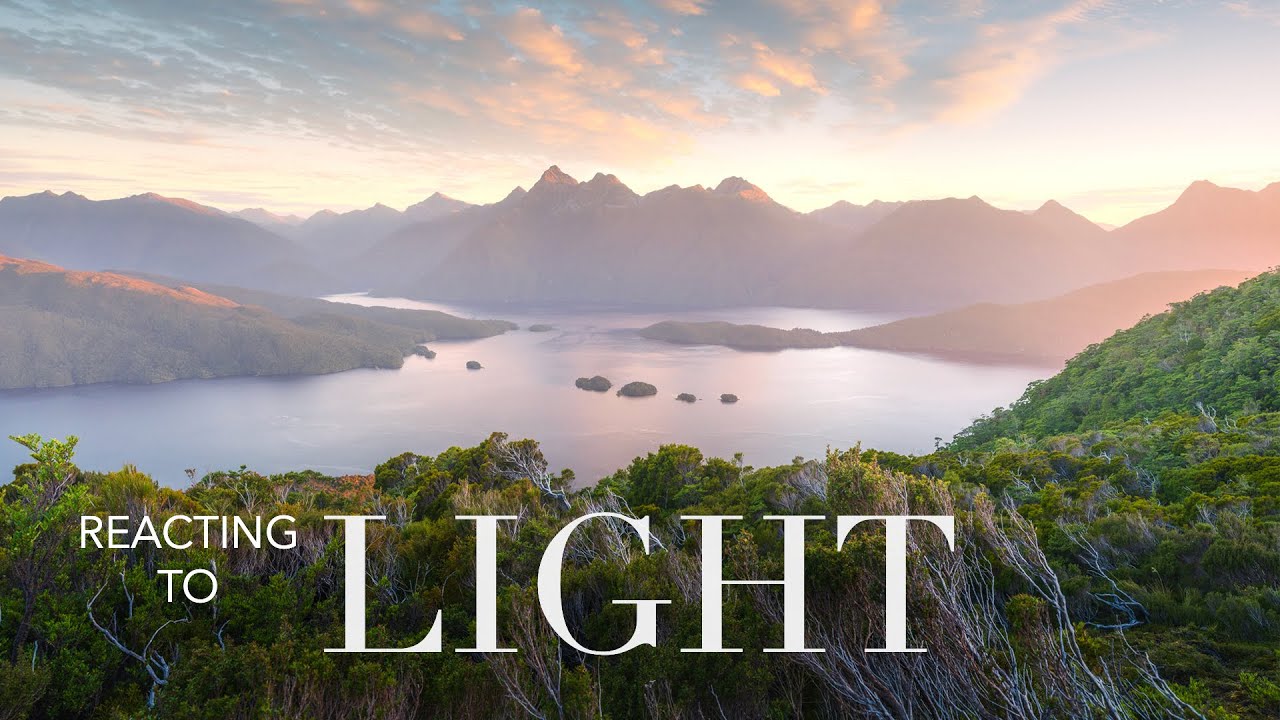
There’s a particular kind of paralysis that creeps in after you’ve been doing this long enough. You’ve shot enough sunrises that you know, more or less, what a good one looks like. You’ve hiked to enough overlooks that the mental checklist runs automatically: light direction, foreground interest, horizon placement. And somewhere in all that accumulated competence, the wonder starts to quietly drain out. I’ve been shooting landscapes full-time for twenty years, and I still fight this.
Reading the Mountain: What Thomas Heaton's Scottish Highlands Shoot Taught Me About Patience and Composition

Reading the Mountain: What Thomas Heaton's Scottish Highlands Shoot Taught Me About Patience and Composition

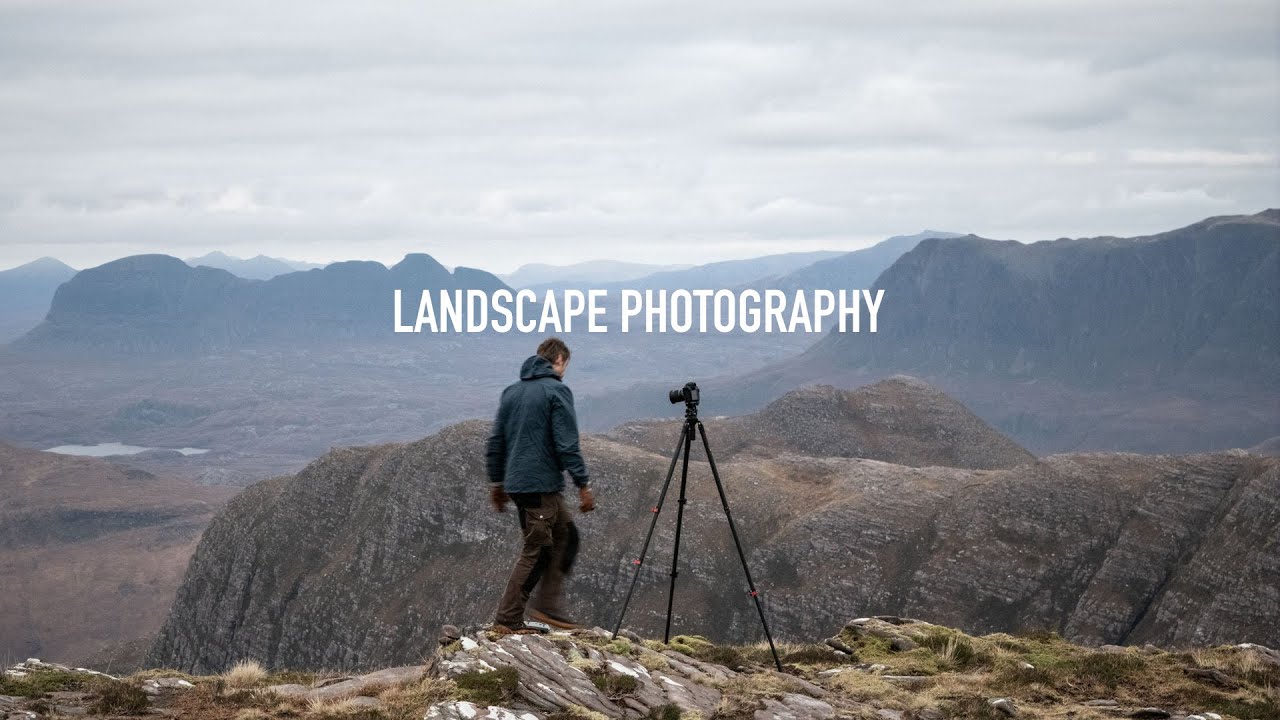
There’s a particular kind of suffering that comes from hauling a full kit up a steep trail in low cloud, not knowing whether the summit will reward you with a view or just more grey. I’ve done it more times than I can count, here in the Cascades and further afield, and the decision-making that happens during that climb, the constant reading of light and elevation and atmosphere, is where most of the real photographic work takes place.

Why Soft Winter Light Might Be Your Best Friend in Landscape Photography

Why Soft Winter Light Might Be Your Best Friend in Landscape Photography

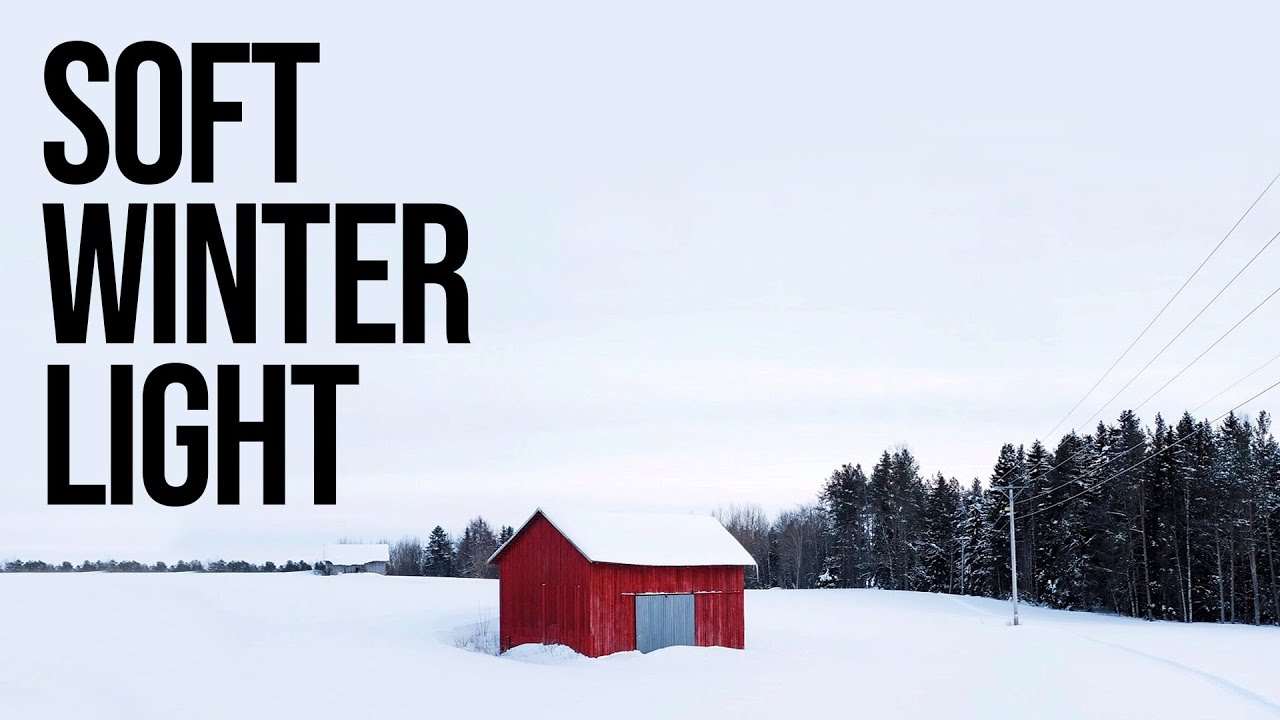
There’s a particular kind of photographer’s frustration I know well. You’ve driven hours to a location, the subject is right there in front of you, dramatic and beautiful, and then the sun cuts hard shadows across everything and turns your carefully composed frame into a visual argument between light and subject. I’ve stood in that situation more times than I can count, usually at some ungodly hour of the morning with cold coffee in a thermos and my lucky hat pulled down over my ears.

Making the Most of Clear Skies at Sunset: What Most Photographers Get Wrong

Making the Most of Clear Skies at Sunset: What Most Photographers Get Wrong

I’ve driven to locations in perfect pre-dawn darkness, set up my tripod with shaking hands, and watched the sky do absolutely nothing. No clouds, no drama, no color - just a clean blue dome fading into orange and then gone. Most photographers I know pack up and head home early when that happens. For years, I did too. The assumption runs deep in this community: no clouds means no shot. But after two decades of shooting landscapes full-time, I’ve learned that assumption costs you images.

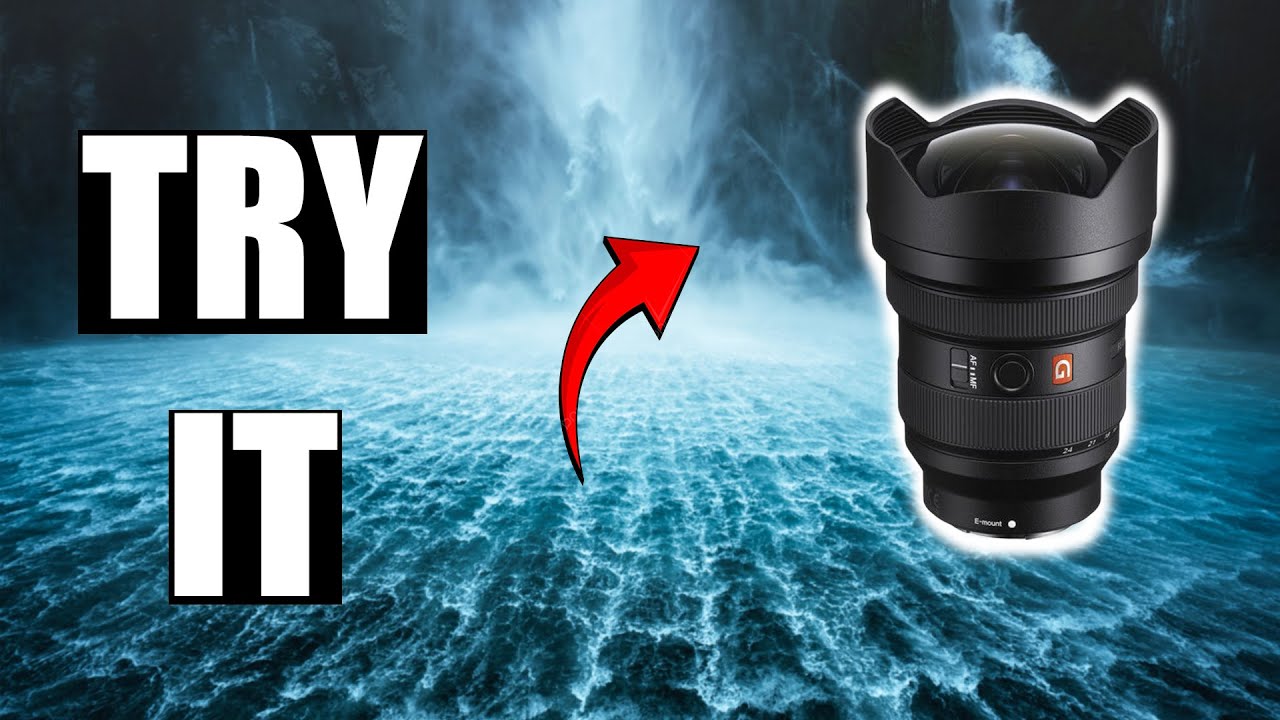
How to Actually Use a Wide-Angle Lens in Landscape Photography (Without Losing the Plot)

How to Actually Use a Wide-Angle Lens in Landscape Photography (Without Losing the Plot)

I’ve shot with a 16-35mm lens long enough that it feels like an extension of how I see. A good chunk of my portfolio — probably more than I’d like to admit — came from that one piece of glass. But here’s the thing nobody tells you early on: a wide-angle lens doesn’t automatically make a better landscape photograph. It just makes a bigger one. And bigger, without intention, is usually just messier.

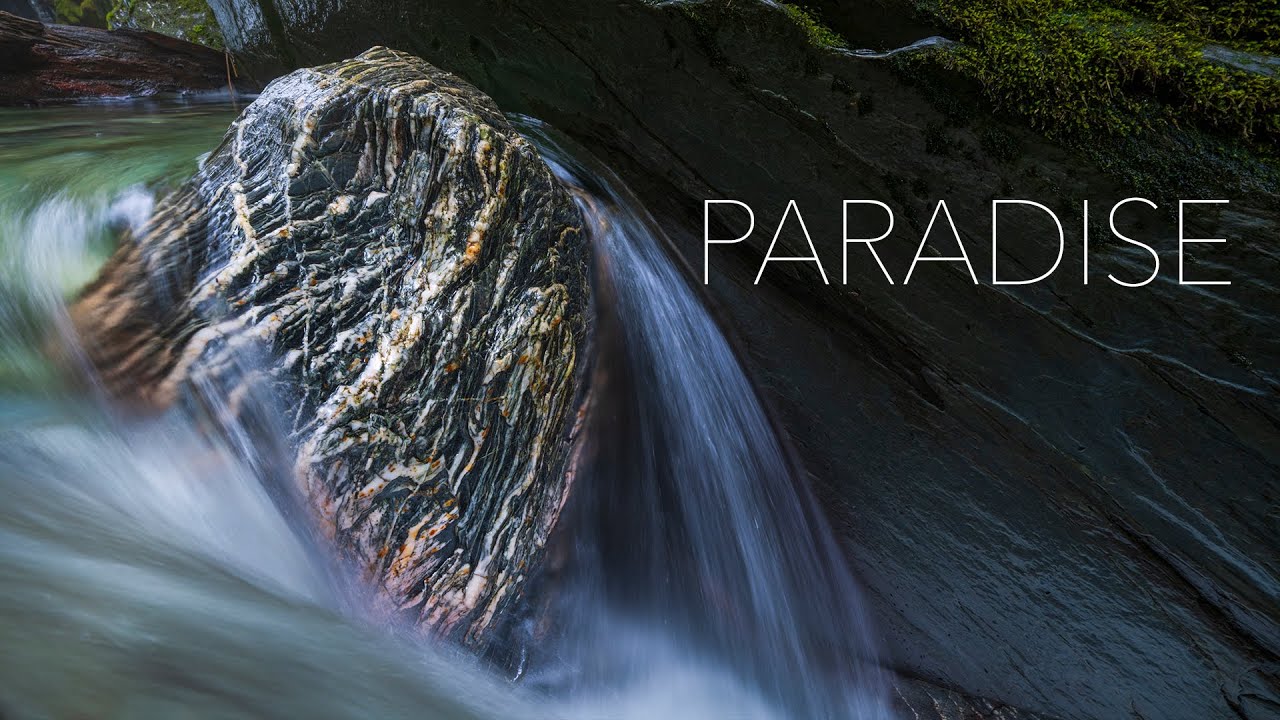
Finding the Shot Inside the Shot: Gorge Photography Lessons from New Zealand

Finding the Shot Inside the Shot: Gorge Photography Lessons from New Zealand

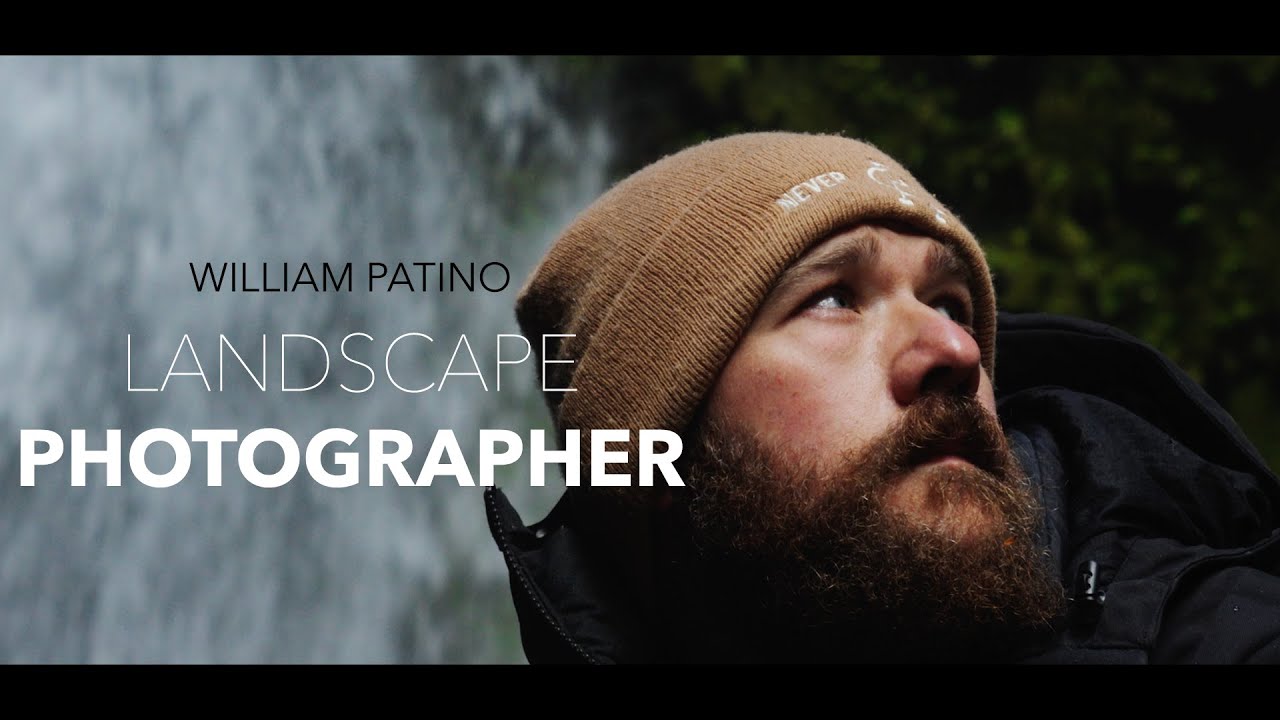
Gorges and canyons are the locations I procrastinate about most. I love them deeply and I approach them with a kind of nervous respect, the way you might feel before a conversation you know is going to cost you something. The footing is unpredictable, the light is almost always difficult, and the compositions that look obvious from the rim almost never hold up once you’re standing in the water. So when I came across William Patino’s recent tutorial filmed inside a canyon system in New Zealand’s mountain country, I watched it twice before I even touched my coffee.

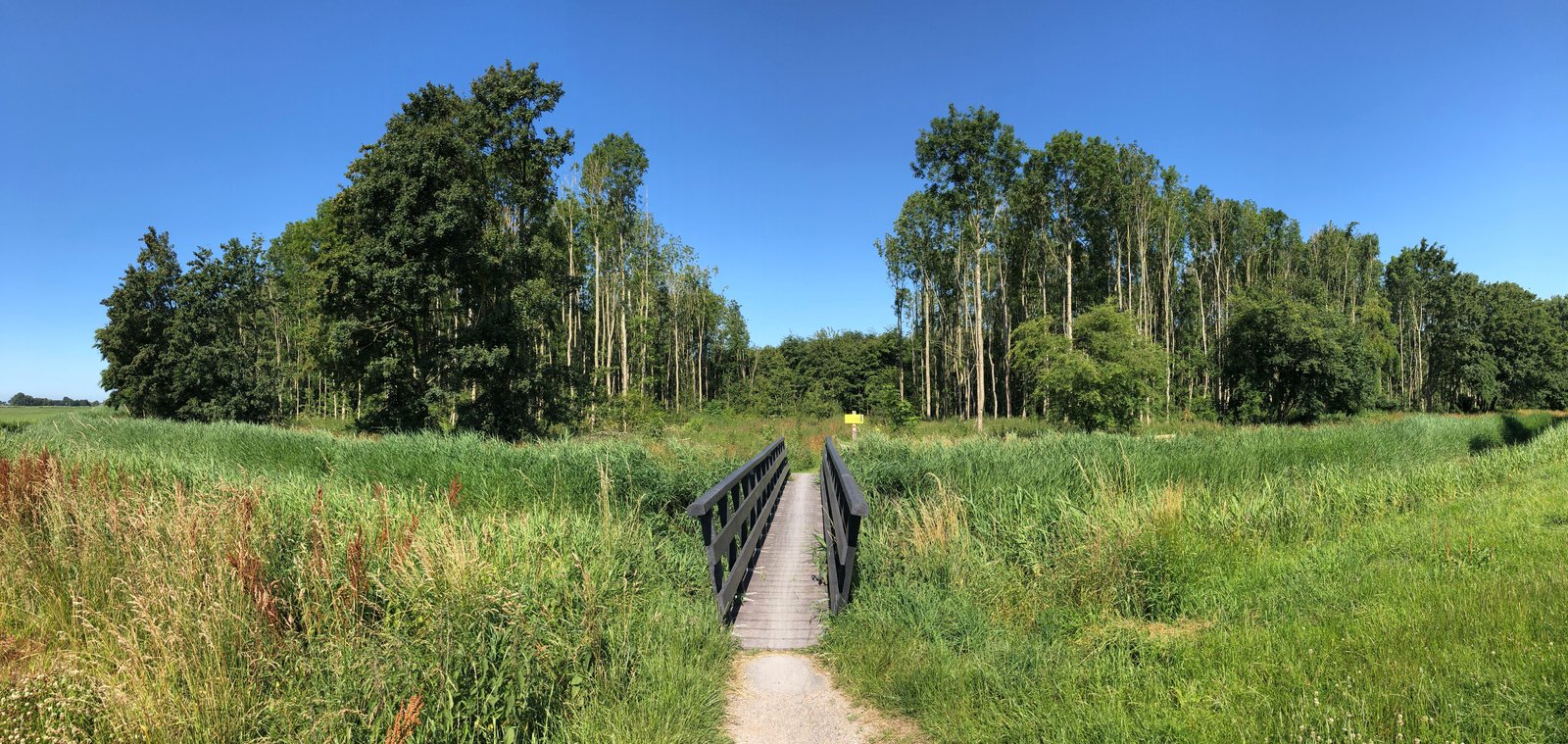
Why Your Panoramas Look Wrong (And How I Fixed Mine After Years of Doing It Badly)

Why Your Panoramas Look Wrong (And How I Fixed Mine After Years of Doing It Badly)

There’s a ridgeline outside of Bend that faces east, and on clear mornings in October the light comes in so low and golden that the juniper trees throw shadows fifty feet long. The scene is too wide for any single frame. Even my 14mm lens can’t hold it. The first time I shot a panorama there, I came home, loaded the files into Lightroom, and watched the software choke on a set of images that almost, but not quite, lined up.

Why Your Waterfall Photos Look Wrong (And What the Water Is Actually Telling You)

Why Your Waterfall Photos Look Wrong (And What the Water Is Actually Telling You)

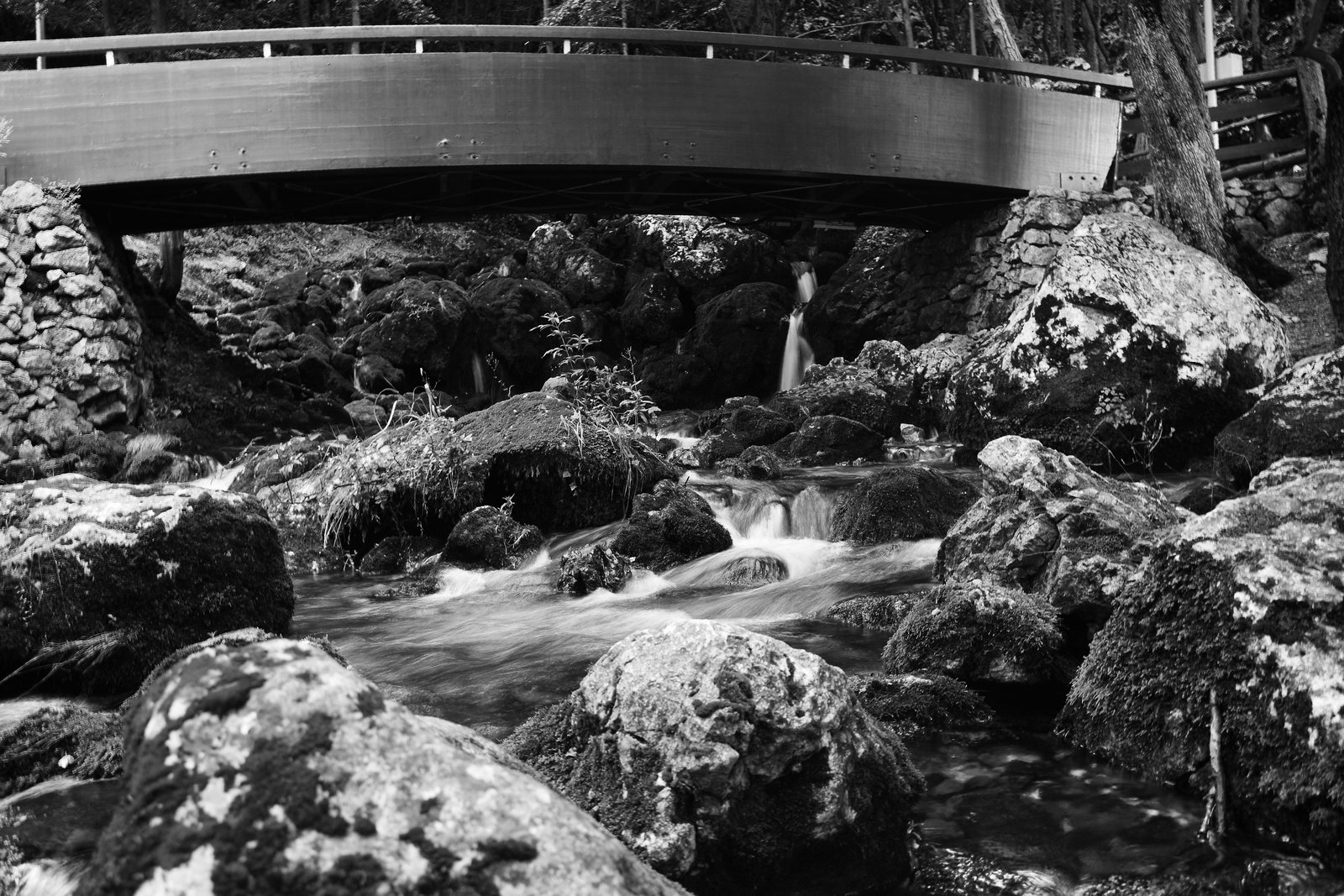
There’s a particular kind of quiet that settles over a waterfall at first light, before anyone else has made it down the trail. I’ve been standing in that quiet for twenty years, and I still get it wrong sometimes. Not catastrophically wrong, but wrong in the way that matters: technically competent, emotionally flat. The water rendered as a smooth, silky ribbon, the kind of image you’ve seen a thousand times, pleasantly executed and completely forgettable.

Shooting Intimate Landscapes in Brutal Midday Light: Lessons from the Field

Shooting Intimate Landscapes in Brutal Midday Light: Lessons from the Field

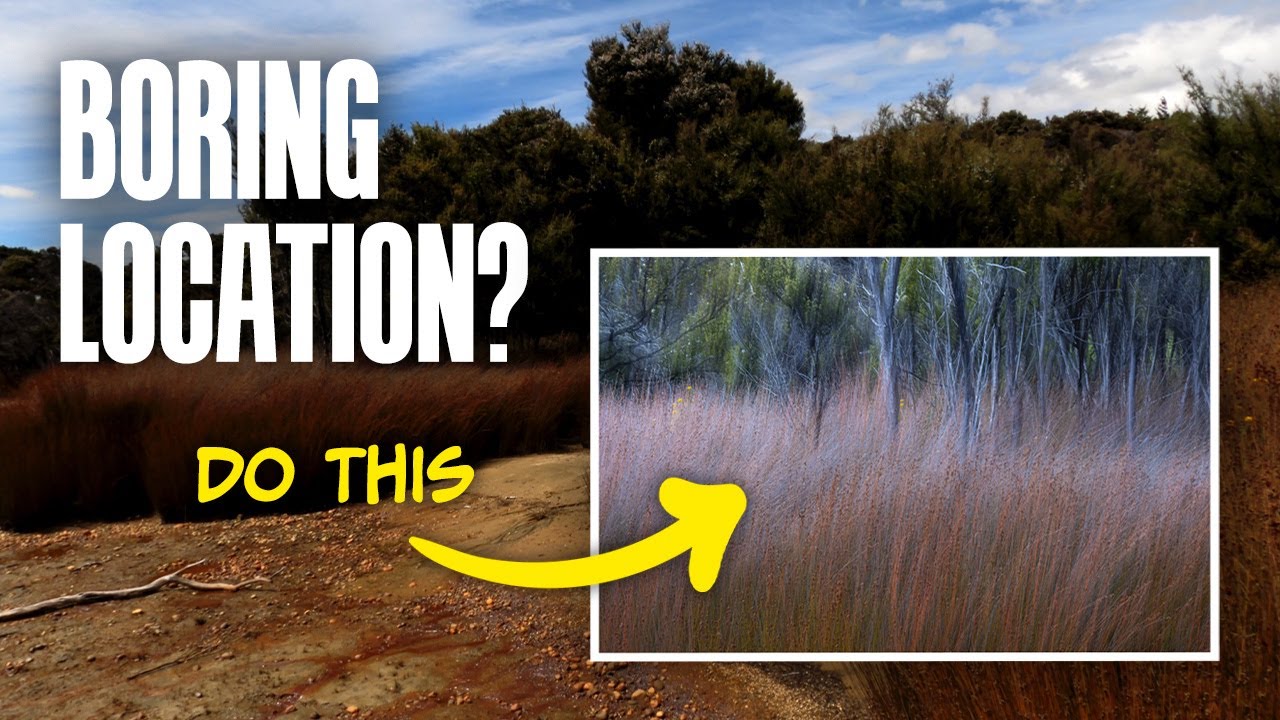
Most of my best work has happened in terrible conditions. Not terrible in the dramatic, stormy-sky sense - terrible in the flat, overhead, “why did I even drive here” sense. Harsh midday light is the condition that separates photographers who go home empty-handed from those who pivot and come back with something worth keeping. Over twenty years of working landscapes full-time, I’ve learned that the grand vista is only one tool in the kit.

Field Notes from the Isle of Harris: What Thomas Heaton's Film Shoot Teaches Every Landscape Photographer

Field Notes from the Isle of Harris: What Thomas Heaton's Film Shoot Teaches Every Landscape Photographer

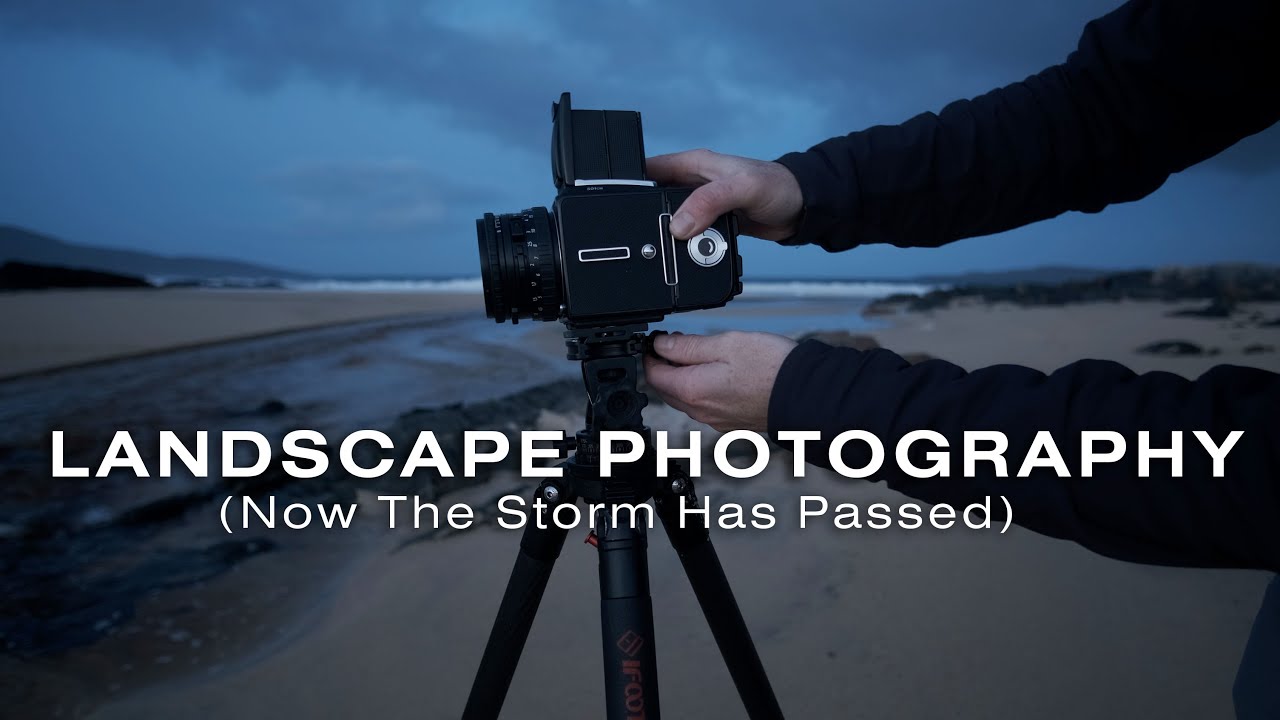
There’s a particular kind of morning I live for. No wind. No rain hammering the roof. Just silence and the knowledge that the light is going to do something worth standing in a cold river for. I’ve had maybe a hundred mornings like that in twenty years of doing this professionally, and I still feel a small jolt of adrenaline every time. That’s exactly the energy that pulls me into Watch the full tutorial on YouTube — Thomas Heaton’s landscape photography shoot on the Isle of Harris, filmed during a road trip across Scotland where he ditched his digital kit and shot entirely on film.

Light Like Another Planet: What Shooting the Bolivian Altiplano Teaches You About Harsh Midday Light

Light Like Another Planet: What Shooting the Bolivian Altiplano Teaches You About Harsh Midday Light

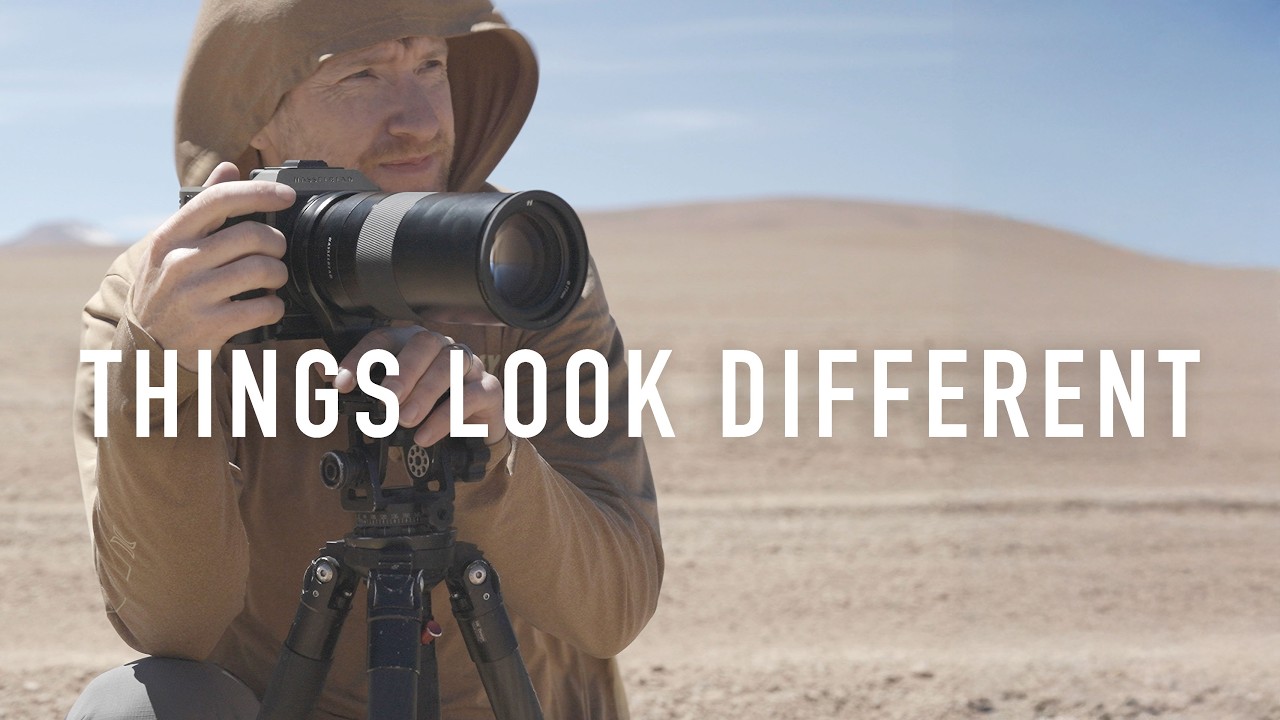
There’s a particular frustration I know well from twenty years of chasing landscapes: you arrive somewhere extraordinary, your chest tightens at the view, you’re certain there’s a great image waiting, and then you spend two hours proving yourself wrong. The scene is right there. The light is doing something unusual. And yet nothing you try in the viewfinder holds together. That gap between what your eyes see and what the frame captures is one of the most humbling parts of this work, and closing it is a skill that never stops requiring attention.

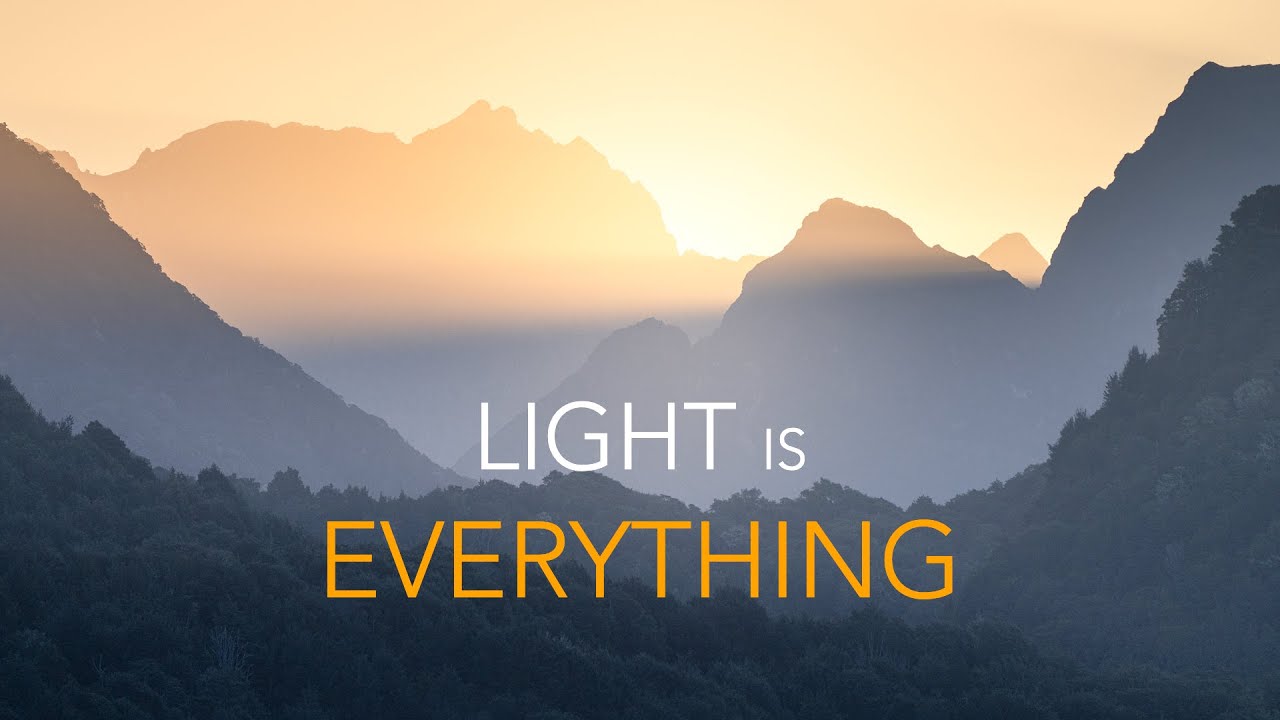
Don't Find Your Composition Until the Light Gets Good — A Mountain Sunset Strategy

Don't Find Your Composition Until the Light Gets Good — A Mountain Sunset Strategy

There’s a particular kind of panic that hits when you’re standing in front of something magnificent and you know the light is about to go. I’ve felt it hundreds of times over twenty years of doing this work. Your hands move faster than your brain, you grab a composition that feels safe, and you fire off fifty nearly identical frames. You drive home thinking you nailed it. You open the files and feel that slow deflation.