Mistakes I Still Catch Myself Making (And What a Sharp Tutorial Finally Put Into Words)

Mistakes I Still Catch Myself Making (And What a Sharp Tutorial Finally Put Into Words)

There’s a particular kind of humility that comes with twenty years of waking before dawn and standing in cold water with a camera. You’d think by now I’d have ironed out every bad habit. And mostly, I have. But watching this Visual Education tutorial on common landscape photography mistakes last week, I found myself nodding along at things I still catch myself doing when I’m tired, rushed, or just too eager to shoot.

How to Plan a Landscape Photography Trip When You're Not Actually on a Photography Trip

How to Plan a Landscape Photography Trip When You're Not Actually on a Photography Trip

Most of my best-planned shoots have happened on trips that weren’t really photography trips at all. A week in the Cascades with the kids. A long weekend in coastal Oregon that my wife organized. A family jaunt to the coast where I had maybe three mornings to myself before anyone else was awake. Those constraints are real, and if you’ve ever stood in a parking lot at golden hour, half-guilty that you’re not back at the cabin making dinner, you know exactly what I mean.

What the Dark Actually Costs You: A Night Sky Photographer's Honest Field Notes

What the Dark Actually Costs You: A Night Sky Photographer's Honest Field Notes

The Night I Stopped Guessing and Started Reading the Dark I was standing on the rim of Smith Rock at 1 a.m., shooting the Milky Way core rising over the Crooked River gorge, when I realized I had wasted the first 45 minutes of prime sky. Not because of clouds or light pollution, but because I was chasing a composition I had locked onto from a daytime scout and refused to let go of.

Shade Is Half the Shot: Field Lessons From a William Patino Tutorial

Shade Is Half the Shot: Field Lessons From a William Patino Tutorial

There’s a version of me that wasted years chasing light. Not the wrong kind of chasing. I mean the obsessive, tunnel-vision pursuit of golden hour glow while ignoring everything around it. I’d stand in a meadow fixated on one warm patch of light and wonder why my images felt flat, directionless. The shadow areas around that light felt like problems to solve, not tools to use. It took a long time in the field to understand that shade isn’t the absence of something good.

Four Reasons Your Landscape Shots Aren't Sharp (And How to Fix Every One)

Four Reasons Your Landscape Shots Aren't Sharp (And How to Fix Every One)

There’s a particular kind of frustration that comes from hiking two miles before sunrise, nailing the light, composing exactly what you envisioned, and then pulling the image up on your monitor to find it soft. Not blurry in an obvious way. Just… not sharp. After twenty years of doing this for a living, I still think that’s one of the most deflating moments in photography. The variables are stacked: shutter speed, aperture, ISO, focus distance.

One Photo, One Mission: How Mark Denney Plans and Executes a Lighthouse Sunrise

One Photo, One Mission: How Mark Denney Plans and Executes a Lighthouse Sunrise

There’s a question I get at almost every workshop I run: how do you know when a shot is worth the effort? My honest answer is that the math rarely adds up on paper. A 4-hour drive, a night sleeping in the cold, an alarm set before civilization wakes up - none of that pencils out unless you’ve made your peace with the fact that sometimes the image is the whole point.

Why Light Is Your Most Powerful Compositional Tool (And How to Use It Intentionally)

Why Light Is Your Most Powerful Compositional Tool (And How to Use It Intentionally)

There’s a version of composition advice that stops at rule of thirds, leading lines, and foreground interest. I taught that version for years. It’s not wrong, but it leaves out the one element that overrides every geometric trick you’ve ever learned. Light. Not the quality of light, not the color temperature, but the placement of light within the frame and what it does to a viewer’s eye before they even consciously register what they’re looking at.

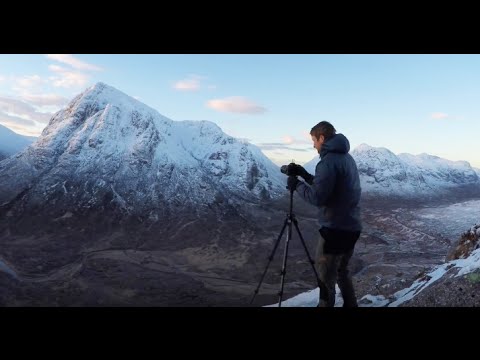
Pre-Dawn Panoramics and Chasing Winter Light: Lessons from a Day in Glencoe

Pre-Dawn Panoramics and Chasing Winter Light: Lessons from a Day in Glencoe

There’s a particular kind of tiredness that only other landscape photographers understand. It’s not the tired you feel after a bad night’s sleep. It’s the good tired, the kind that comes from hauling gear up a hill in the dark, hands too cold to zip your jacket properly, and still choosing to be exactly there at exactly that moment. I’ve felt it hundreds of times in twenty years of doing this work full-time, and it never gets old.

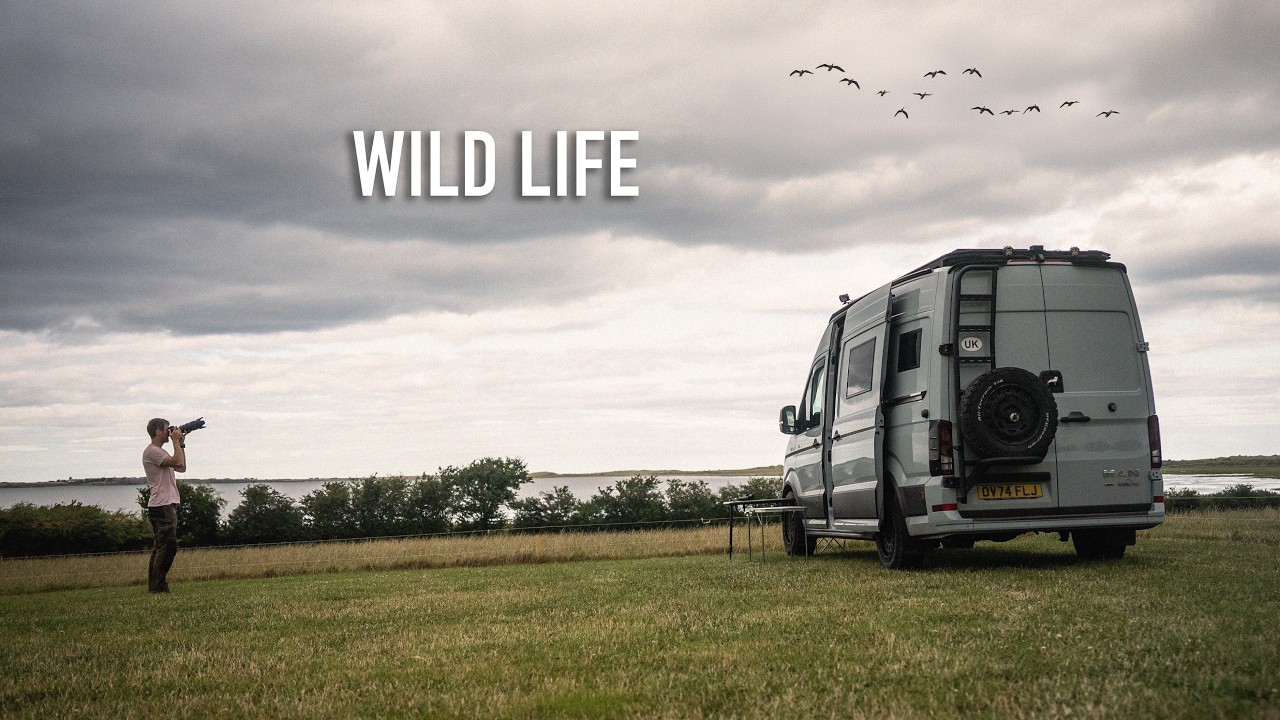
When the Location Fights Back: Wildlife and Landscape Photography on a Coastal Nature Reserve

When the Location Fights Back: Wildlife and Landscape Photography on a Coastal Nature Reserve

There’s a particular kind of shoot I’ve done dozens of times over twenty years: the one where everything you planned evaporates within the first hour. Wrong season, wrong access, wrong light. You either pack up and sulk, or you adapt and find something better than what you came for. The photographers who last in this work are the ones who’ve made peace with that second path. That’s why I keep coming back to Thomas Heaton’s work.

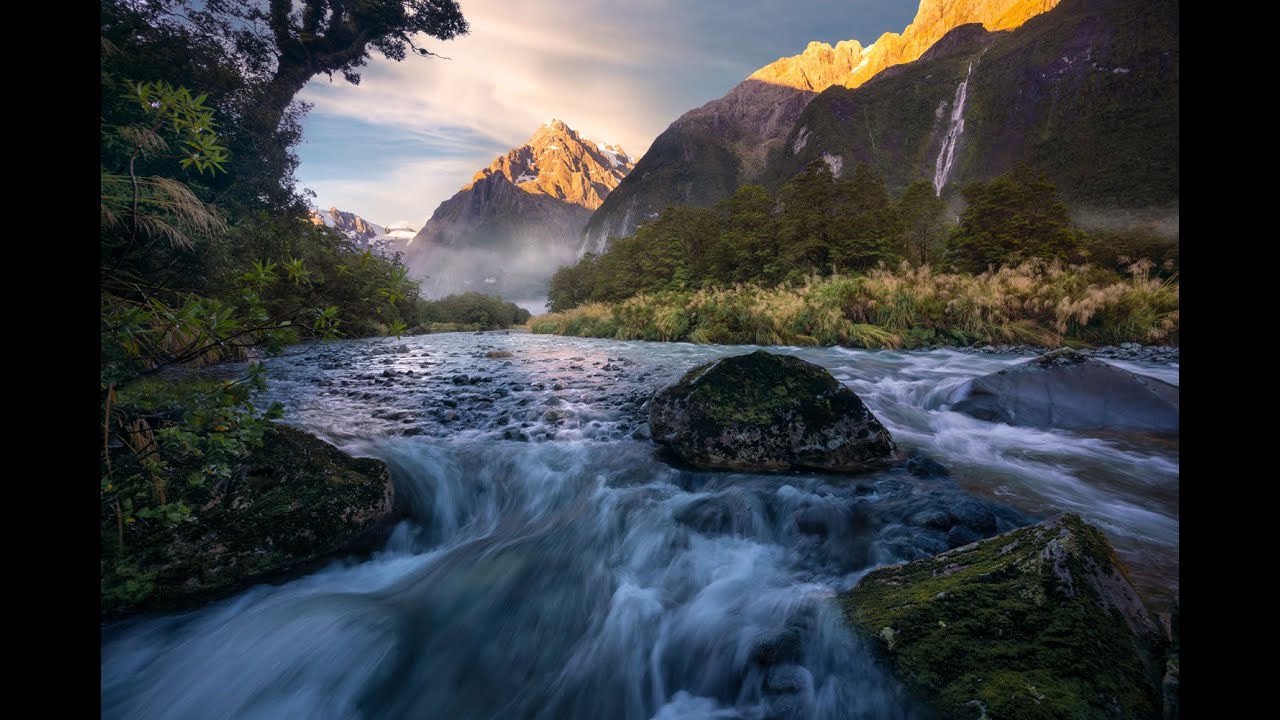
Mud, Mist, and Mount Tutoko: Field Lessons from a Fiordland Photography Hike

Mud, Mist, and Mount Tutoko: Field Lessons from a Fiordland Photography Hike

There’s a particular kind of shoot that doesn’t go the way you planned, and ends up being the one you talk about for years. I’ve had enough of those to recognize them in someone else’s footage. In this William Patino tutorial, he heads into Fiordland, New Zealand, with his shooting partner Federico to photograph Mount Tutoko, the tallest peak in the region. The weather is marginal, the trail is a swamp, and sandflies are getting on the lens.

Using Rain and Telephoto Compression to Isolate a Single Tree (Lessons from the Lake District)

Using Rain and Telephoto Compression to Isolate a Single Tree (Lessons from the Lake District)

There’s a shot I nearly gave up on three times before I finally got it. A lone ponderosa pine on a ridge east of Bend, backlit by a storm rolling in from the Cascades. The conditions that made it work were not the ones I’d planned for. The flat golden hour I’d imagined never arrived. What showed up instead was rain, mist, and a kind of natural separation between the tree and the hillside behind it that no amount of waiting for perfect light could have manufactured.

When the Shot Doesn't Work: What a Wilderness Waterfall Taught Me About Honest Editing

When the Shot Doesn't Work: What a Wilderness Waterfall Taught Me About Honest Editing

There’s a particular kind of disappointment that only landscape photographers know. You’ve hiked for an hour, you’ve found something genuinely beautiful, you’ve made careful frames in the field, and then you get home, pull up the RAW files, and realize: none of these are keepers. Not because you made a technical error. Because the scene, for all its real-world magic, just didn’t translate. I’ve been doing this for twenty years and that feeling still catches me off guard.