Is Landscape Photography Actually Dying? What the Data Says (And What I've Learned from 20 Years in the Field)

Is Landscape Photography Actually Dying? What the Data Says (And What I've Learned from 20 Years in the Field)

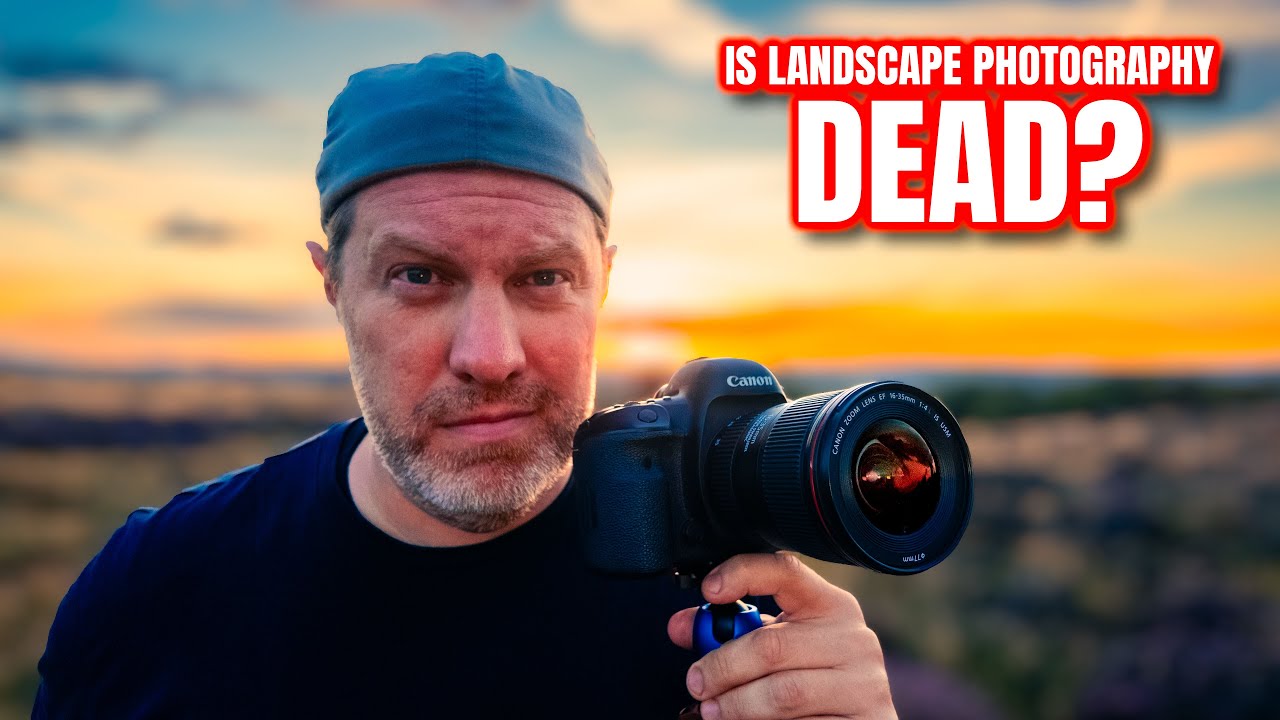
There’s a particular kind of loneliness that hits when you’re the only person on a ridge at golden hour. Not the good kind, the meditative solitude that drew most of us to this craft in the first place. The bad kind. The kind where you start wondering if everyone else quietly moved on and forgot to tell you. I’ve had that feeling more than once in the past couple of years, and I know I’m not alone in it, because the messages I get from fellow photographers say the same thing: people are putting down their cameras, selling their gear, walking away.
Shooting Midday in Bad Weather: What Thomas Heaton's Isle of Harris Trip Taught Me About Staying Loose

Shooting Midday in Bad Weather: What Thomas Heaton's Isle of Harris Trip Taught Me About Staying Loose

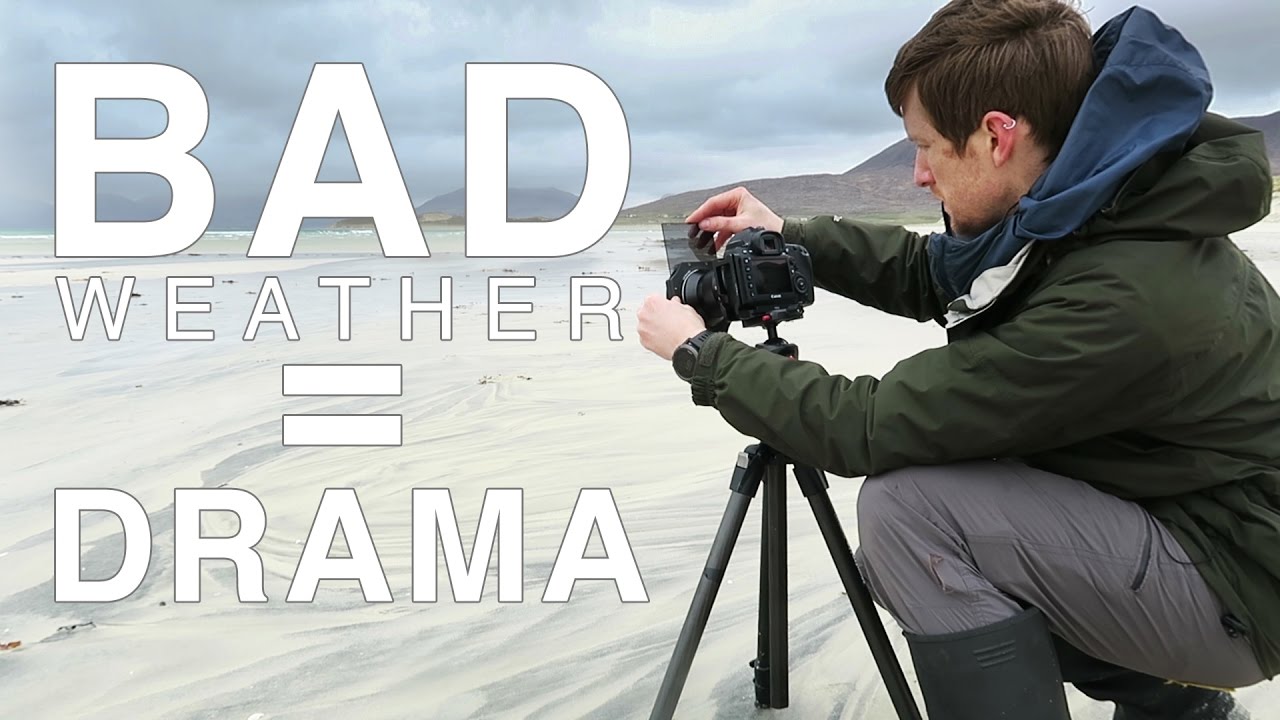
There’s a version of landscape photography that lives entirely in the golden hours, where everything cooperates and the light does exactly what you hoped. That version is real, but it’s not the majority of your time in the field. Most of it is waiting, pivoting, and figuring out what to do when the plan falls apart by 10am. That’s the problem this tutorial actually solves, and it’s why I keep coming back to it.

Stop Chasing the Shot You Planned: A Lesson in Compositional Awareness from the Field

Stop Chasing the Shot You Planned: A Lesson in Compositional Awareness from the Field

There’s a version of every shoot that lives in your head before you ever leave the house. You’ve studied the location on Google Earth, checked the weather three times, set two alarms, and packed the right filters. I’ve been doing this for twenty years and I still show up to locations with a mental image so specific it might as well be a contract with the landscape. The problem is, the landscape never signed it.

When the Light Doesn't Wait: Lessons from a Chaotic Sunset Session in the Peak District

When the Light Doesn't Wait: Lessons from a Chaotic Sunset Session in the Peak District

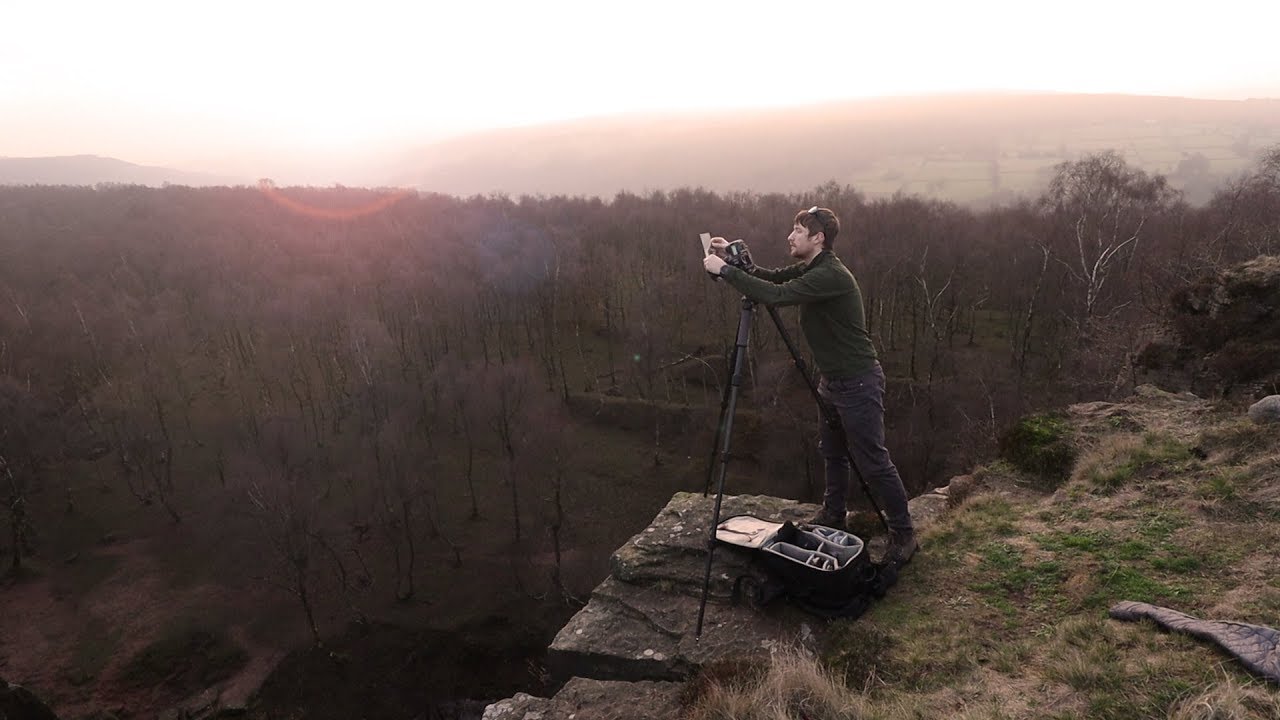
There’s a particular kind of frustration I’ve learned to respect over twenty years of doing this: you arrive at a location with forty minutes to spare, the light starts doing something extraordinary, and you are in completely the wrong spot. No composition, no clear path to one, and the clock ticking loud in your chest. It used to rattle me. Now I recognize it as the actual job. In this Thomas Heaton tutorial, he captures that experience with unusual honesty, wandering the Peak District at golden hour with a local guidebook, a camper van, and no fixed plan.

Why I Stopped Treating ISO Like a Four-Letter Word (And You Should Too)

Why I Stopped Treating ISO Like a Four-Letter Word (And You Should Too)

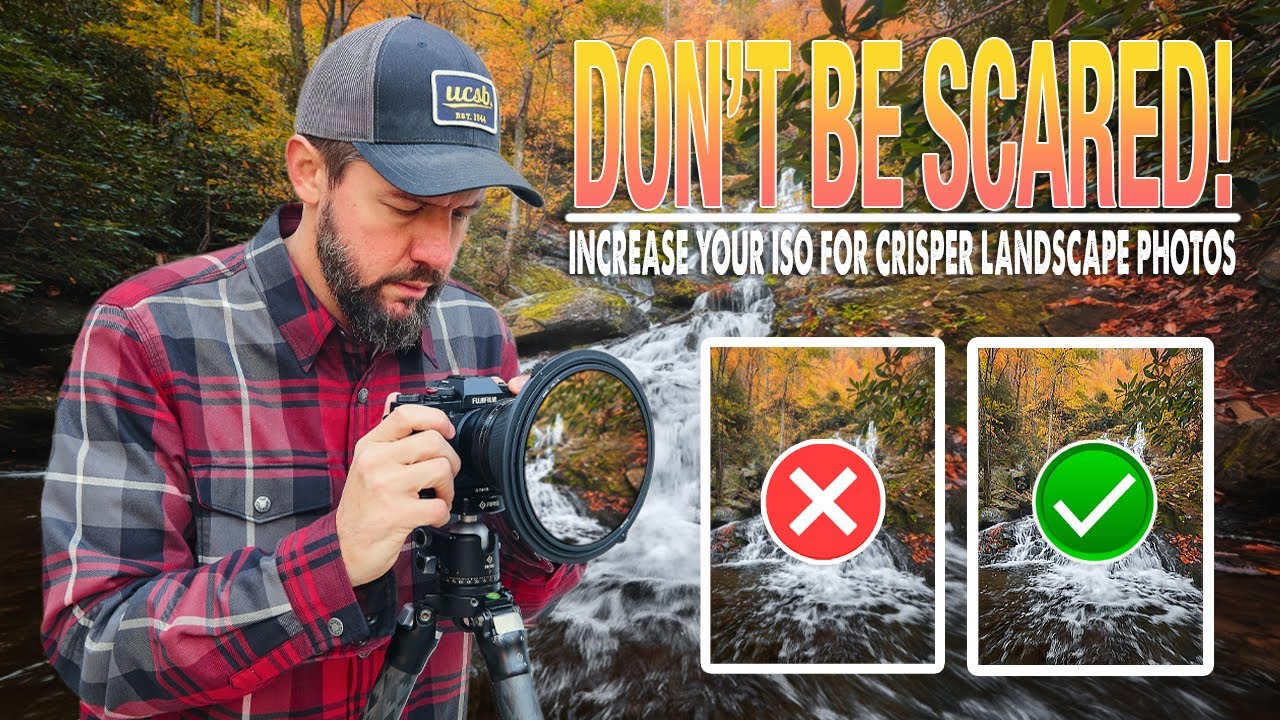
There’s a rule I carried around for years like a stone in my pack: keep ISO at 100, always. I learned it early, repeated it in workshops, and held onto it even when the light was failing and I knew, somewhere in the back of my mind, that I was making compromises that hurt my images. I’d drag my shutter speed to half a second, a full second, longer, trying to hold the exposure together without touching that dial.

Start With a Game Plan: How I Edit Sunrise and Sunset RAW Files in Camera Raw

Start With a Game Plan: How I Edit Sunrise and Sunset RAW Files in Camera Raw

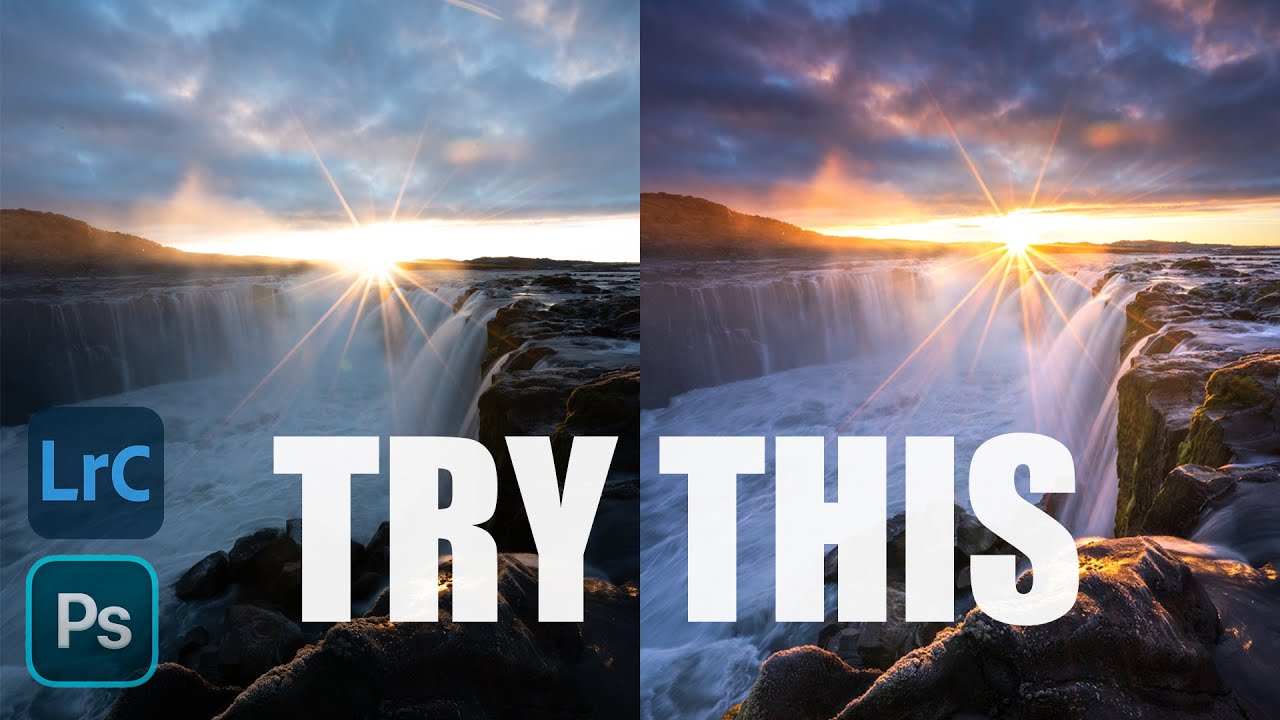
There’s a particular kind of flat, lifeless RAW file that every landscape photographer knows. You’ve dragged yourself out of a warm bed at 4am, driven a dark road to a location you’ve been thinking about for weeks, and you caught the light. You know you caught it. But when you open that file on your screen, it looks like a mistake. The colors are muddy, the highlights are blown, and the whole thing feels like a betrayal.

Why Mountain Light Breaks Your Meter — And How to Shoot in It Anyway

Why Mountain Light Breaks Your Meter — And How to Shoot in It Anyway

The Exposure Problem Nobody Warns You About I was standing on a ridgeline in the Three Sisters Wilderness at 5:47 a.m., watching first light hit a snow-covered summit above me. The sky behind it was a deep, bruised violet. The snow itself was picking up a pink cast that I knew would last maybe four minutes. I had everything set up the night before. I knew my composition. And my meter was still lying to me.

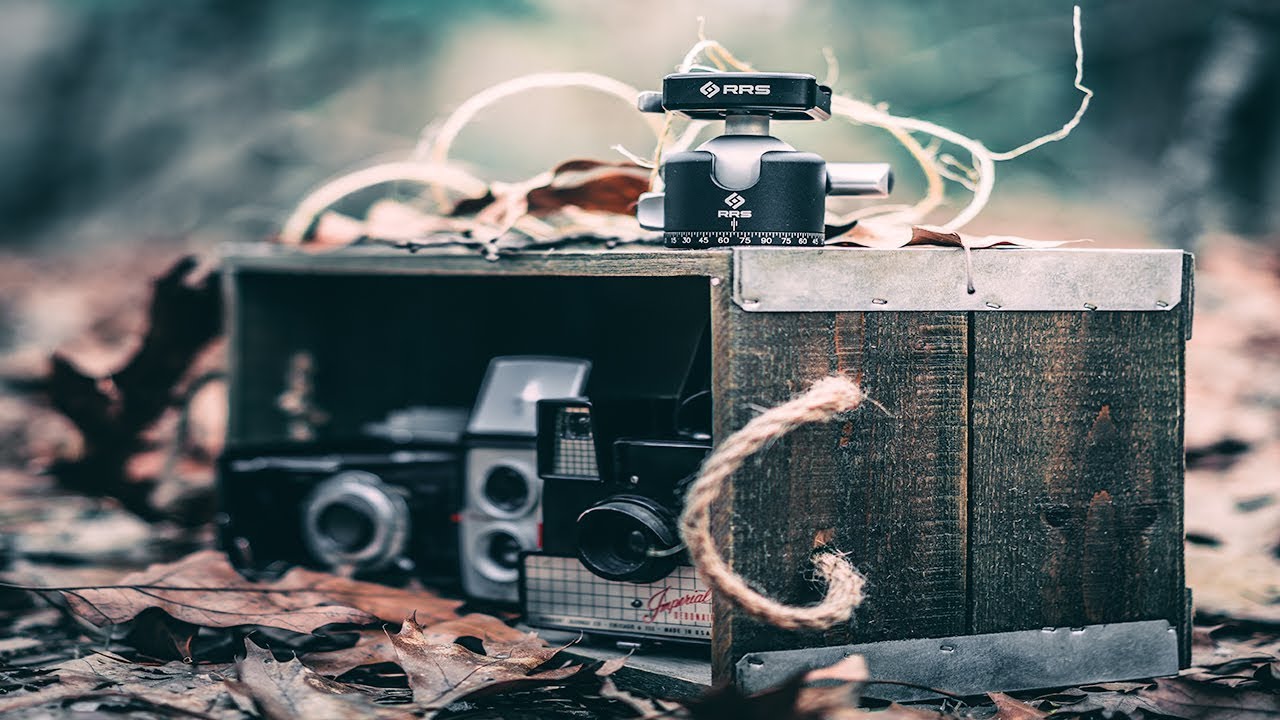
Why I Stopped Buying Cheap Ball Heads (And What the Really Right Stuff BH-40 Actually Does for Landscape Work)

Why I Stopped Buying Cheap Ball Heads (And What the Really Right Stuff BH-40 Actually Does for Landscape Work)

There’s a particular kind of tax that landscape photographers pay early in their careers. Not a financial one, though that’s real enough. It’s the tax of friction. Every morning you’re fighting your gear instead of reading the light, and you don’t even realize it yet because you don’t know what smooth feels like. I spent probably three years shooting on ball heads that I’d settled for, and the subtle frustration of a slipping clamp or a ball that moved in lurches rather than glides cost me more compositions than any lens I’ve ever owned.

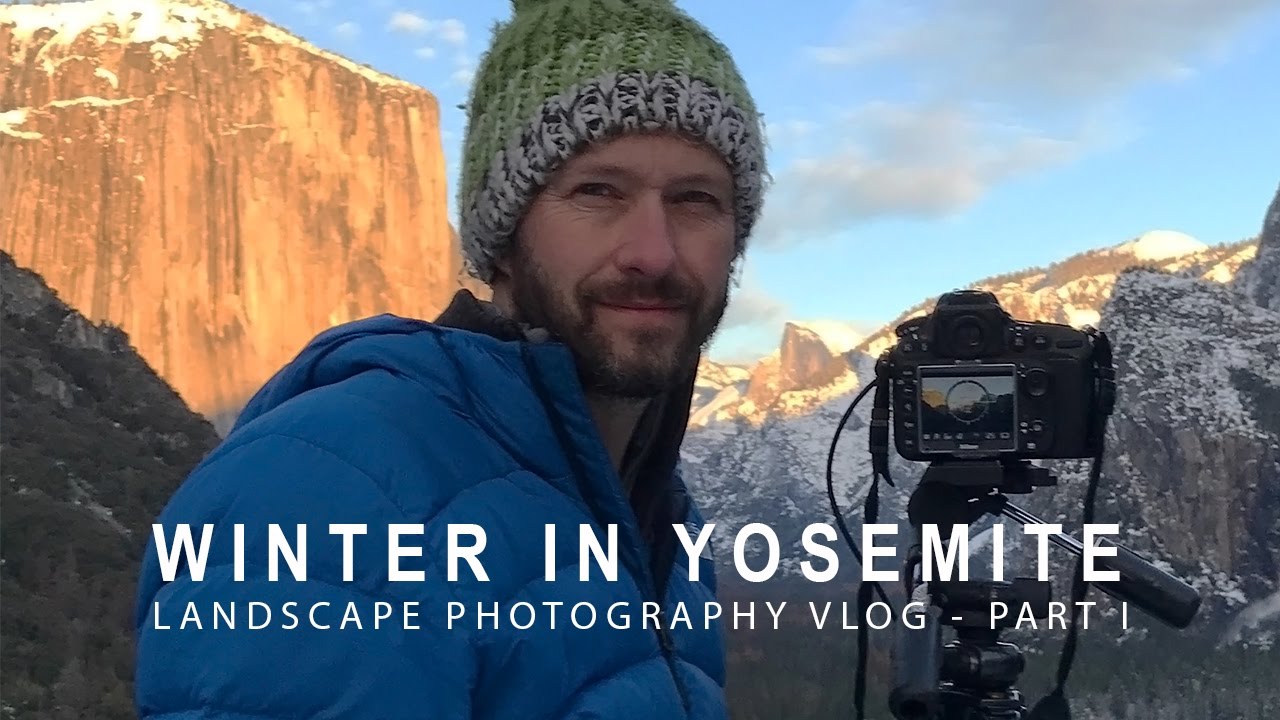
Shooting Yosemite in Winter: How to Find Compositions When Everything Looks Perfect

Shooting Yosemite in Winter: How to Find Compositions When Everything Looks Perfect

There’s a particular kind of paralysis that hits you in a place like Yosemite in winter. You step out of the car, snow on the ground, frost still clinging to the trees, and the light doing something almost unfair across the valley walls. You raise the camera and then… freeze. Not from the cold. From the overwhelming abundance of it all. Every direction is a photograph. Which means, practically speaking, you have nothing.

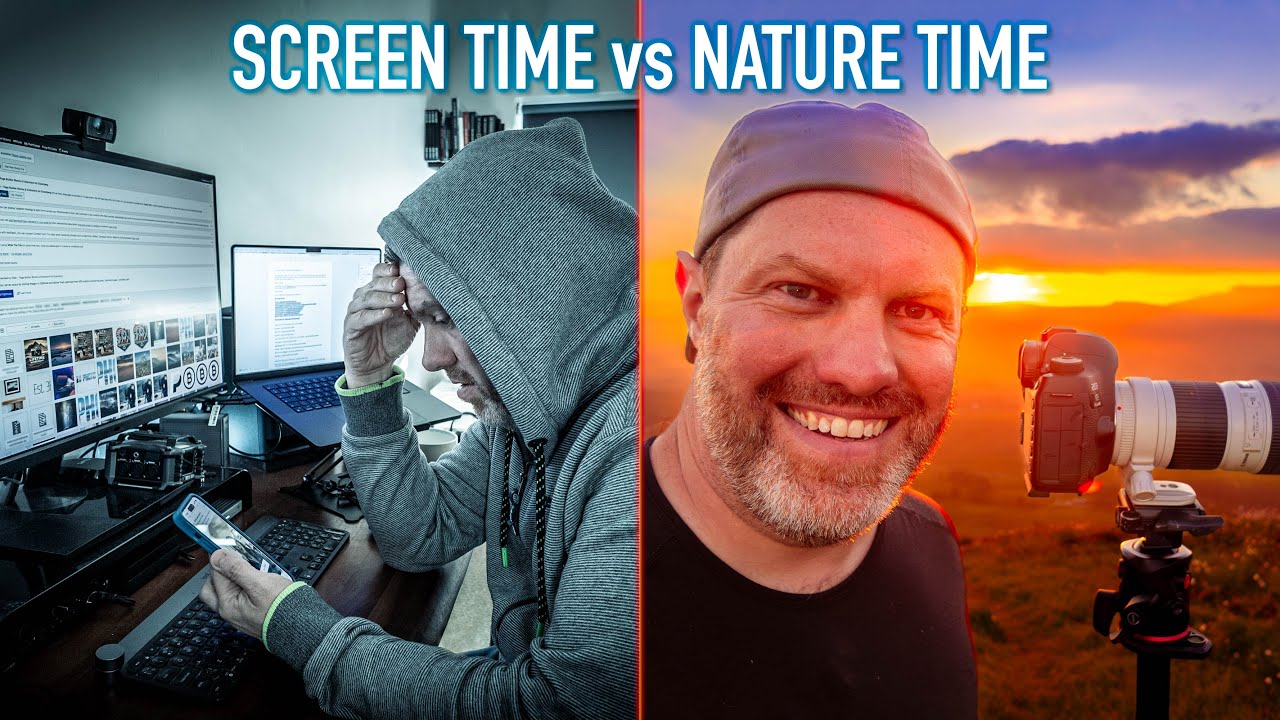
Trading Screen Time for Shutter Time: What Nature Photography Does for Your Head (and Your Images)

Trading Screen Time for Shutter Time: What Nature Photography Does for Your Head (and Your Images)

There is a number I keep coming back to: seven hours. That is the average amount of time people spend looking at screens each day. I know photographers who spend that long editing, scrolling for inspiration, or arguing in comment sections about gear they will never buy. I spent years doing some version of that myself, and I can tell you with some certainty that none of it made me a better photographer or a happier person.

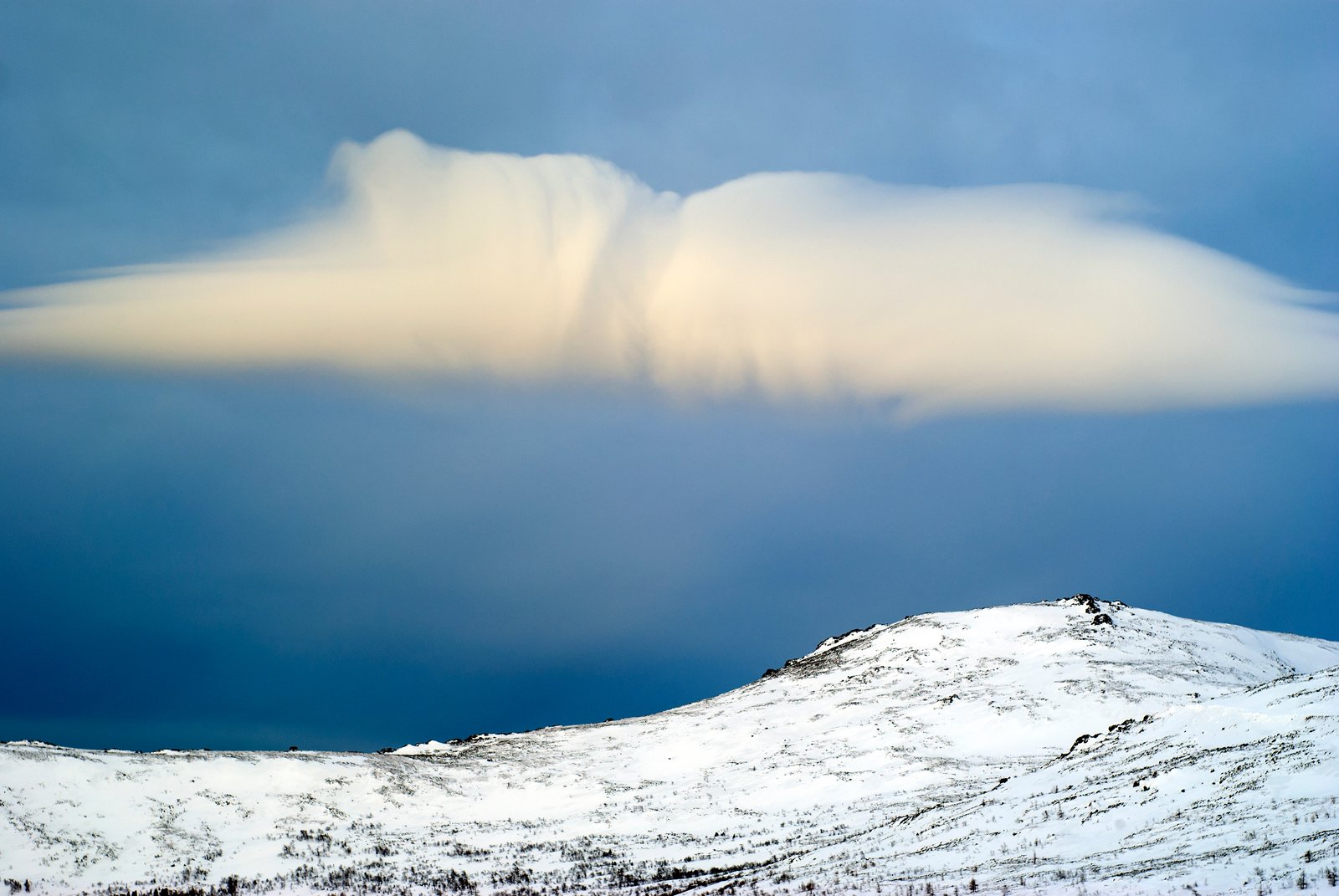
Why the Best Mountain Light Lasts Three Minutes (And How to Be Ready When It Hits)

Why the Best Mountain Light Lasts Three Minutes (And How to Be Ready When It Hits)

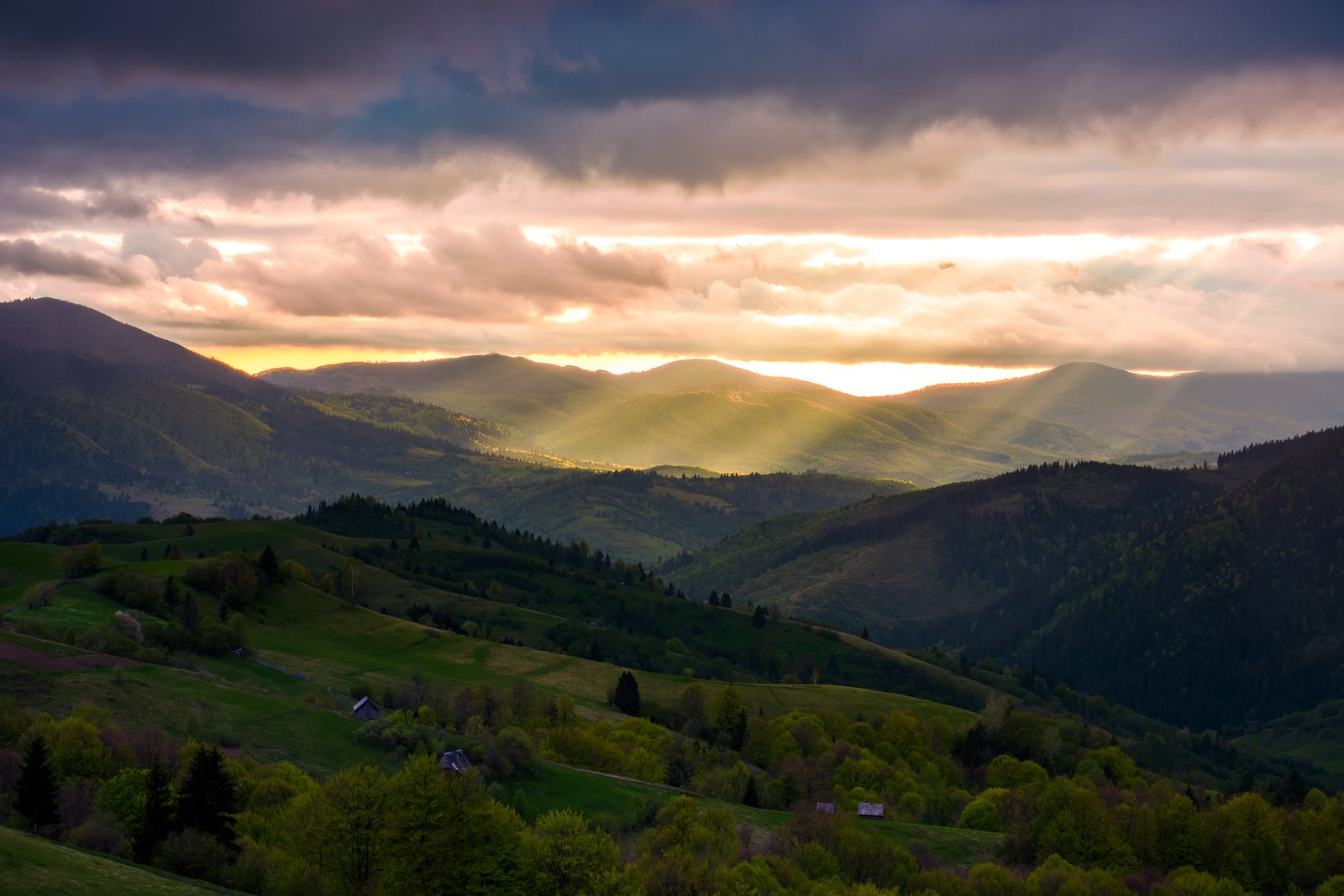
I had been watching that ridgeline for two hours before anything happened. My thermos was empty, my fingers were stiff inside my gloves, and the alpenglow I had driven four hours to catch was looking like a no-show. Then, in about the time it takes to pour a cup of coffee, the clouds parted, the light hit the snow, and the whole face of the mountain turned a color I can only describe as burning copper.

When Plans Fall Apart: How to Shoot Coastal Long Exposures with Whatever the Day Gives You

When Plans Fall Apart: How to Shoot Coastal Long Exposures with Whatever the Day Gives You

There’s a version of landscape photography that looks like pure intention. You pick the location, you check the forecast, you set three alarms. Then there’s the version that actually happens. I’ve been shooting full-time for twenty years, and I still have mornings where everything unravels before I’ve touched the camera. What keeps those mornings from being wasted isn’t luck. It’s having a secondary project already thought through, something you can pull off the shelf when your original plan falls apart.