Chasing Light and Lightning: Field Lessons from a Day of Seabird and Coastal Landscape Photography

Chasing Light and Lightning: Field Lessons from a Day of Seabird and Coastal Landscape Photography

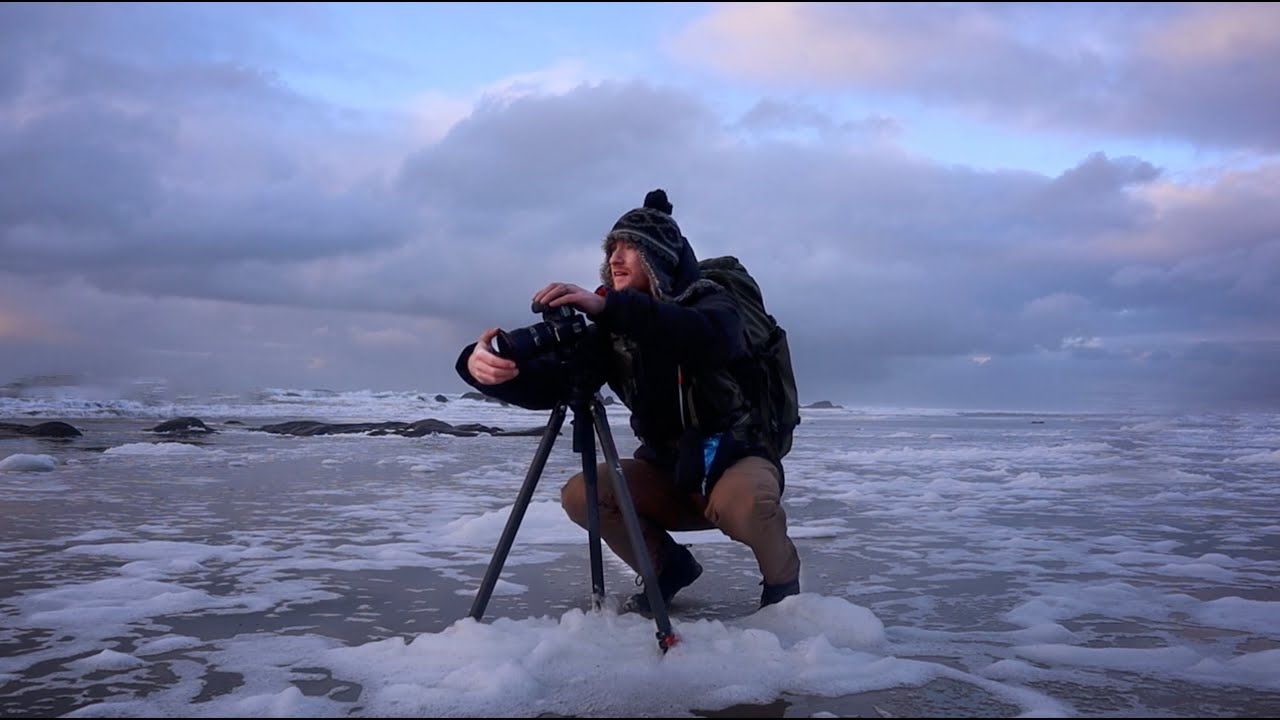
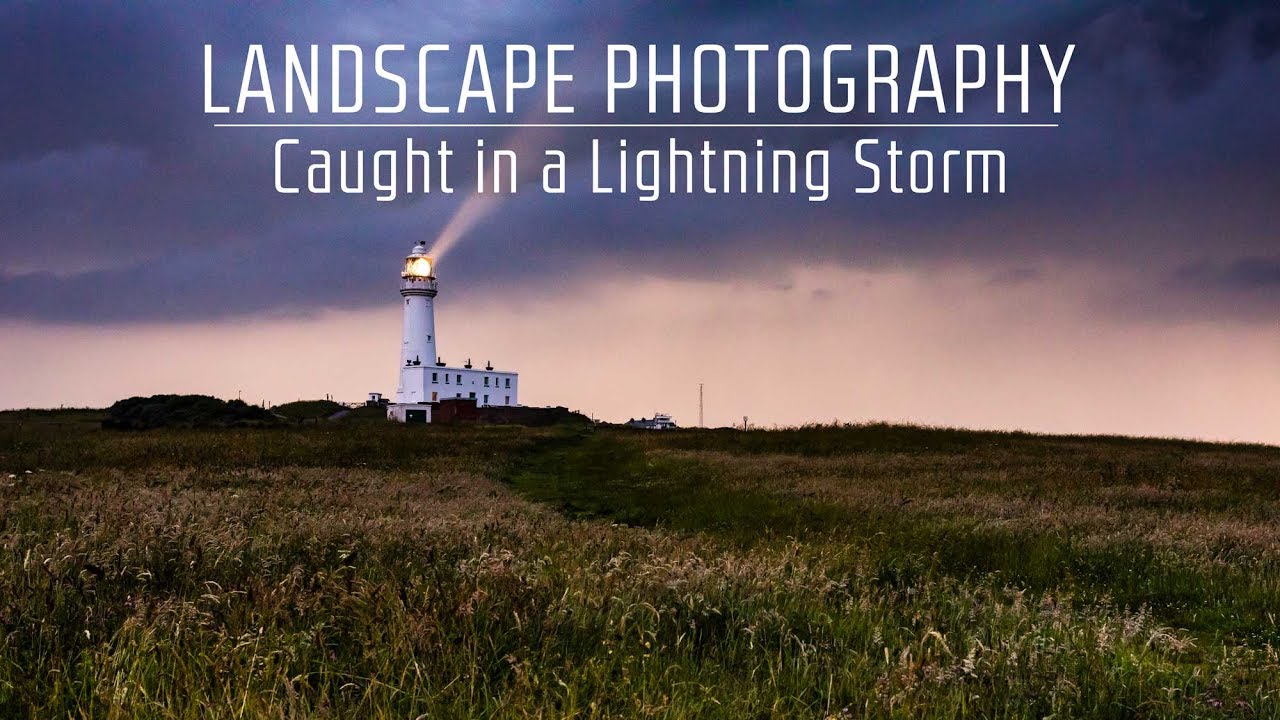
There’s a particular kind of day in field photography that teaches you more than any workshop ever could. It’s the day where you start with a plan, the weather dismantles it piece by piece, and you either adapt or you go home empty. I’ve had hundreds of those days over the past twenty years. They’re the ones I remember most. In this First Man Photography tutorial, Watch the full tutorial on YouTube, the photographer sets out for a full day along the Yorkshire coast, starting with seabird photography at Bempton Cliffs and ending with a coastal sunset attempt at Flamborough Head that gets interrupted by a full-on lightning storm.
When the Light Lies: What Thomas Heaton's Iceland Mistake Taught Me About Reading a Scene

When the Light Lies: What Thomas Heaton's Iceland Mistake Taught Me About Reading a Scene

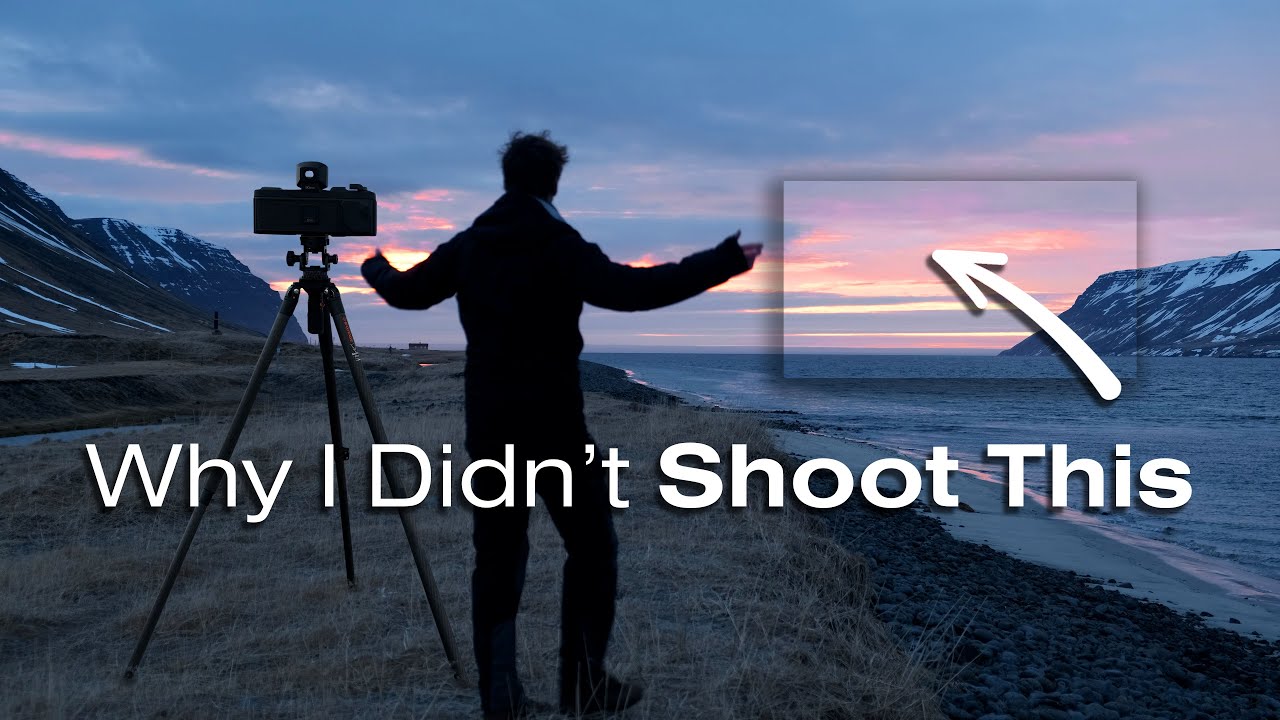
There’s a particular kind of hurt that comes from watching the sky explode in the wrong direction. You’ve read the clouds, done the math, committed to a composition — and then the light does exactly what it wants, which is nothing like what you wanted. I’ve been there more times than I can count, standing on a cold shore with my camera pointed at a wall of grey while something spectacular unfolds behind me.

Rescuing the Blown Sky: A Lightroom Workflow for Harsh-Light Landscapes

Rescuing the Blown Sky: A Lightroom Workflow for Harsh-Light Landscapes

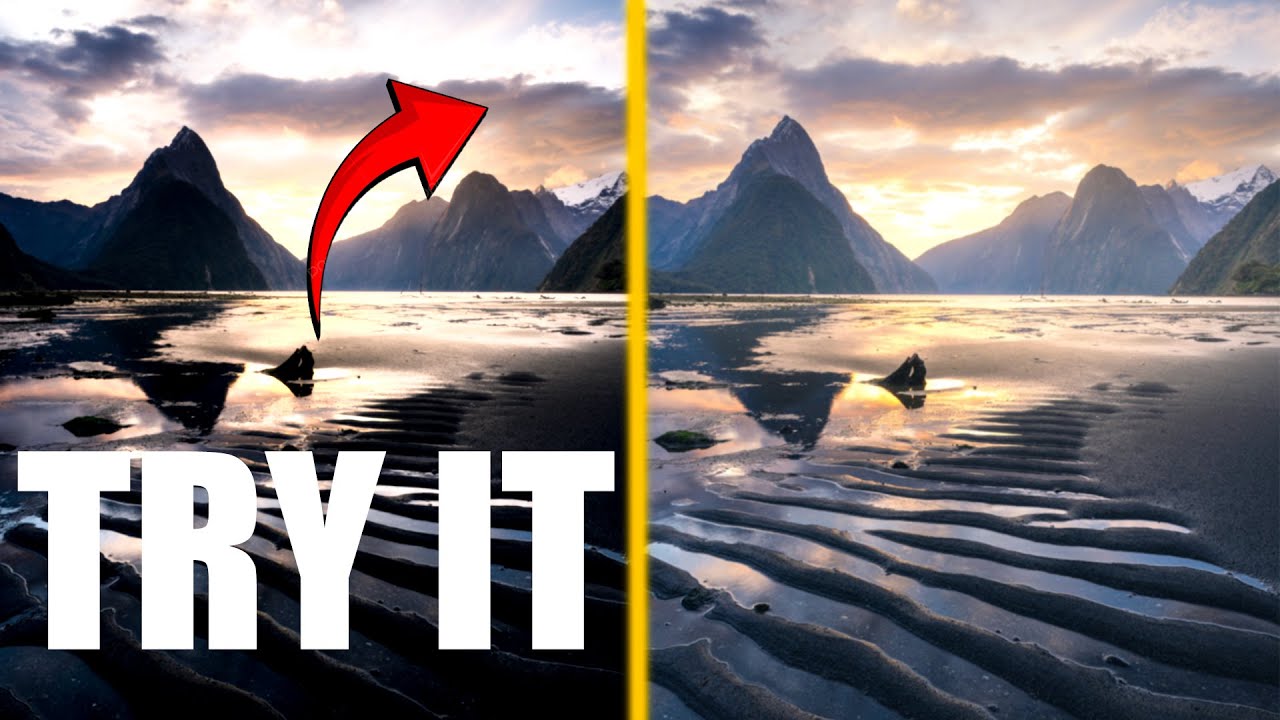
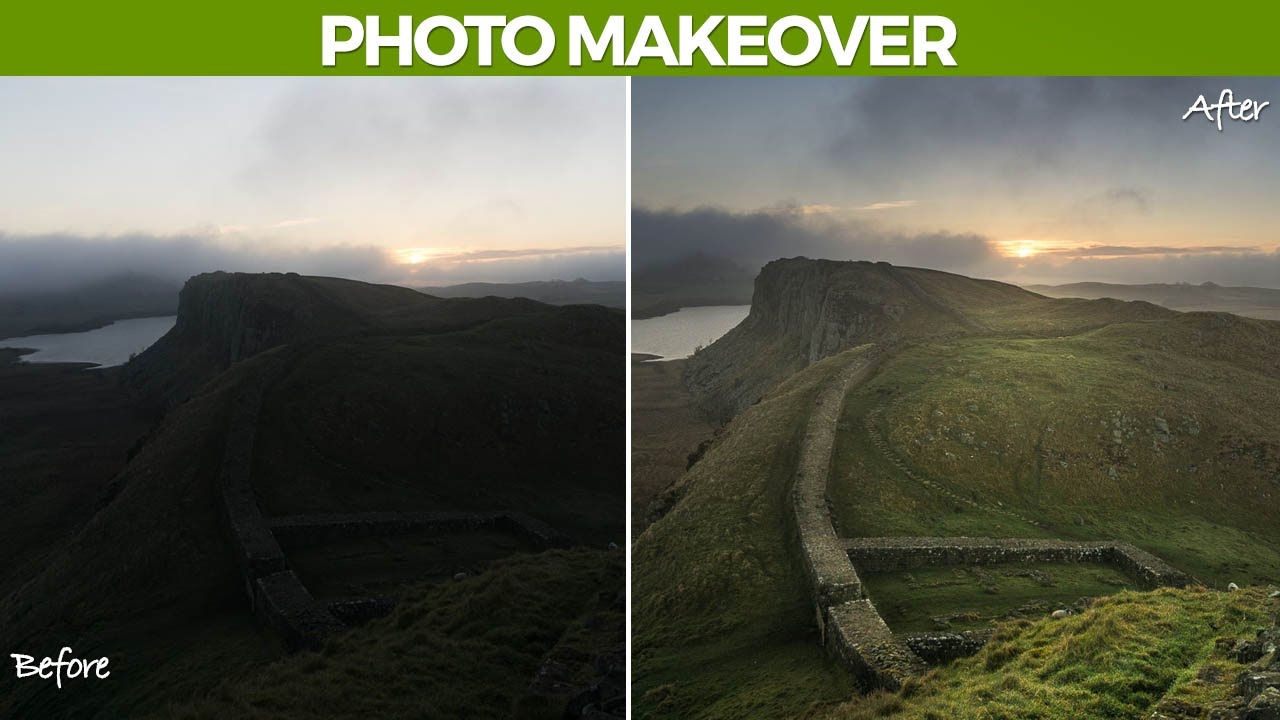
There’s a specific kind of frustration that comes from standing in front of a beautiful scene, knowing your camera can’t hold it all. The sky is blazing, the foreground is buried in shadow, and you’re forced to pick one exposure and compromise on everything else. I’ve stood in that position more times than I can count over the past two decades, and honestly, the feeling never entirely goes away. What does change is how confident you are that you’ll fix it later.

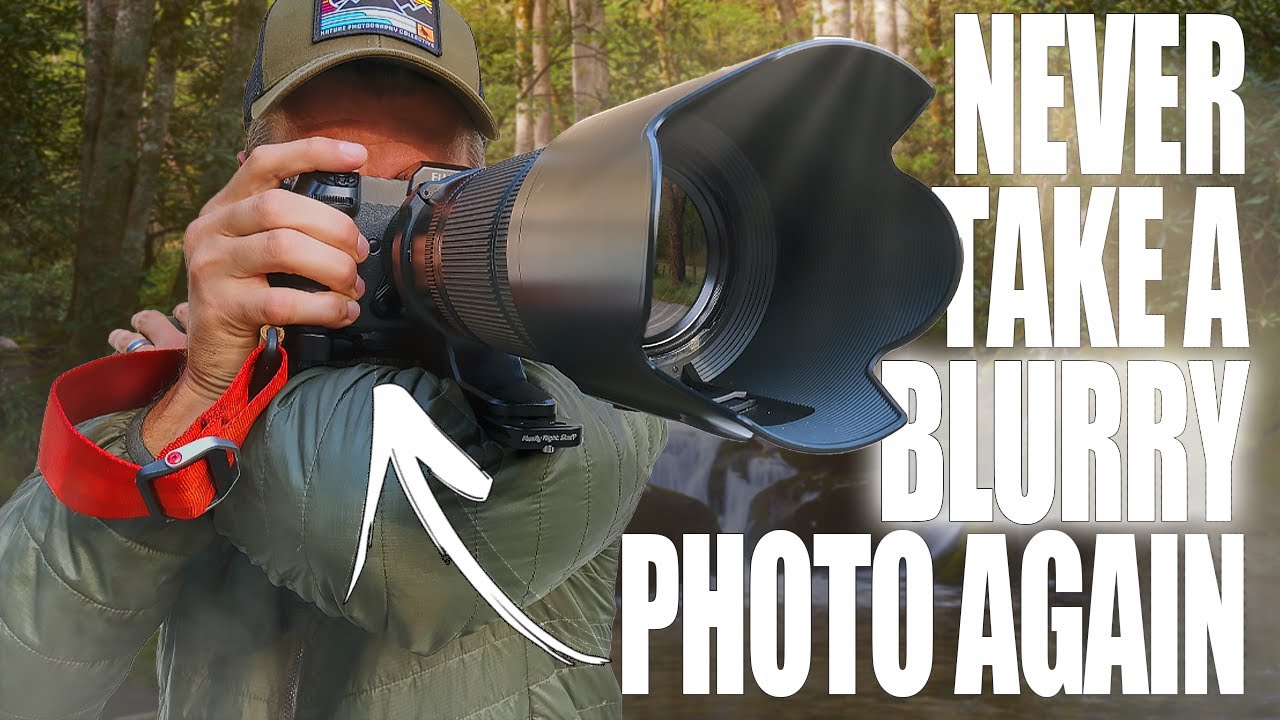
Why Your Landscape Photos Aren't Sharp (And the Three Field Fixes That Actually Work)

Why Your Landscape Photos Aren't Sharp (And the Three Field Fixes That Actually Work)

Sharpness problems are humbling. You drive to a location before dawn, you nail the composition, the light cooperates, and then you get home and pixel-peep your way into disappointment. I’ve been shooting landscapes full-time for two decades and I still have sessions where I pull images off the card and wonder what went wrong. It’s rarely focus. It’s rarely the lens. It’s almost always something I did, or didn’t do, in the field.

What 30 Landscape Photos Taught Me About the Mistakes We All Keep Making

What 30 Landscape Photos Taught Me About the Mistakes We All Keep Making

There’s a particular kind of clarity that comes from watching someone else’s work get reviewed. Your defenses drop. You’re not protecting anything. And suddenly the feedback lands differently than it ever does when it’s your own image on the screen. I’ve been shooting landscape and nature work for two decades, and I still find these critique sessions more instructive than most technical tutorials, because the problems that show up in other people’s photographs are almost always problems I’ve made myself, sometimes last week.

How Verity Milligan Taught Me to Stop Hunting for the Shot

How Verity Milligan Taught Me to Stop Hunting for the Shot

There’s a version of landscape photography I practiced for years that looked something like this: arrive at a location, immediately start scanning for a composition, feel vaguely frustrated when nothing obvious announced itself, shoot anyway, drive home disappointed. I was treating the landscape like a puzzle to be solved on a deadline. The mountain, as my old mentor used to say, does not care about your schedule. What I’ve come to understand after two decades of doing this work, mostly through hard-won mornings standing in the dark waiting for light that may or may not arrive, is that the photographers whose images actually stop people are rarely the ones running the most disciplined systems.

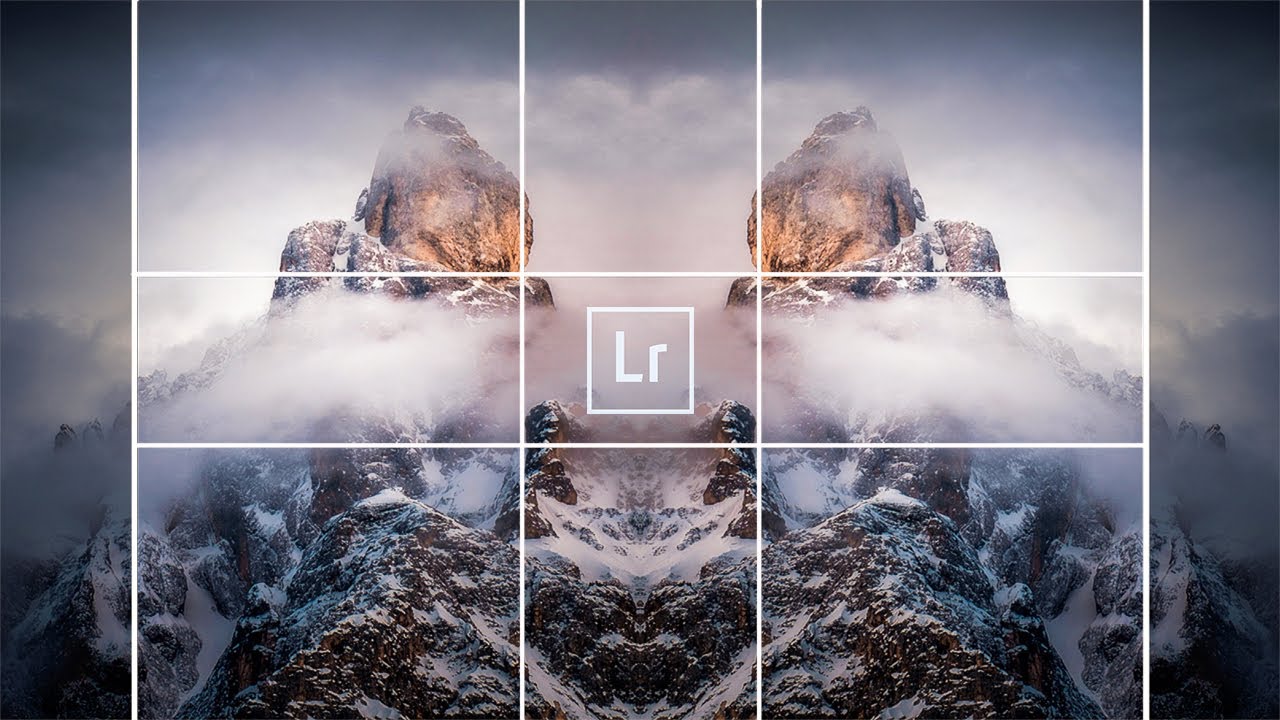
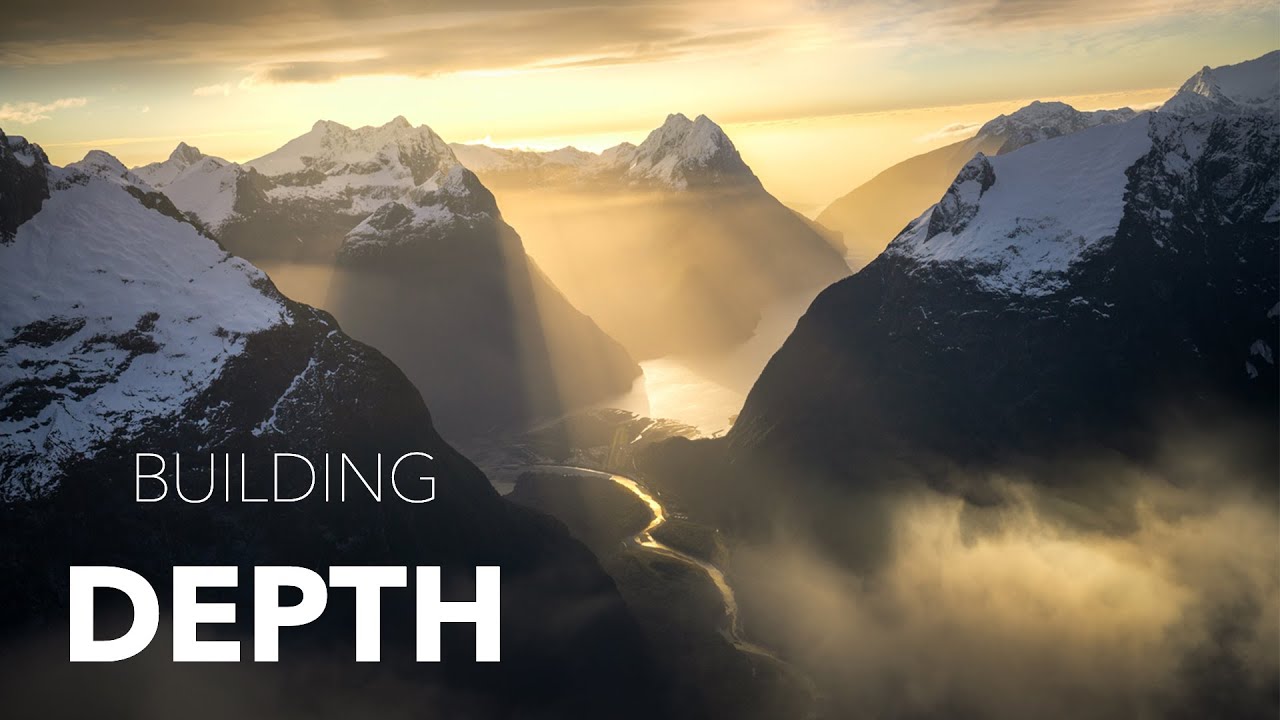
Stop Thinking About Edges: How to Build Depth and Balance in Landscape Compositions

Stop Thinking About Edges: How to Build Depth and Balance in Landscape Compositions

There’s a specific kind of disappointment that comes from returning home after a genuinely beautiful morning in the field and realizing your images are flat. The light was there. The location was right. But something in how you arranged the frame let the whole thing collapse. After two decades of shooting landscapes professionally, I still run into this. Not as often as I used to, but it happens. What I’ve found is that when a shot fails, it’s rarely the light’s fault.

The 1000-Step Photography Challenge: What Happens When You Can't Choose Your Spot

The 1000-Step Photography Challenge: What Happens When You Can't Choose Your Spot

There’s a particular trap I’ve watched photographers fall into for two decades, and I’ve fallen into it myself more times than I’d like to admit. We spend so much energy hunting for the perfect location, the perfect conditions, the perfect angle, that we forget how to make something from what’s actually in front of us. Location-scouting apps, satellite imagery, golden hour calculators, all of it useful, all of it capable of becoming a crutch that replaces genuine seeing with logistical planning.

Why Your RAW Files Look Flat (And How to Fix Them With One Focused Workflow)

Why Your RAW Files Look Flat (And How to Fix Them With One Focused Workflow)

I’ve been standing in cold water before dawn for twenty years, and if there’s one conversation I still have at every workshop I run, it’s this one: “My phone takes a better photo than my camera.” I hear it from beginners, from people who just bought a serious mirrorless kit, from folks who drove three hours to catch a golden hour and came home with a folder full of dark, muddy RAW files that looked nothing like what their eyes saw.

Stop Guessing Your Exposure: A Field Guide to Reading the Histogram at Golden Hour

Stop Guessing Your Exposure: A Field Guide to Reading the Histogram at Golden Hour

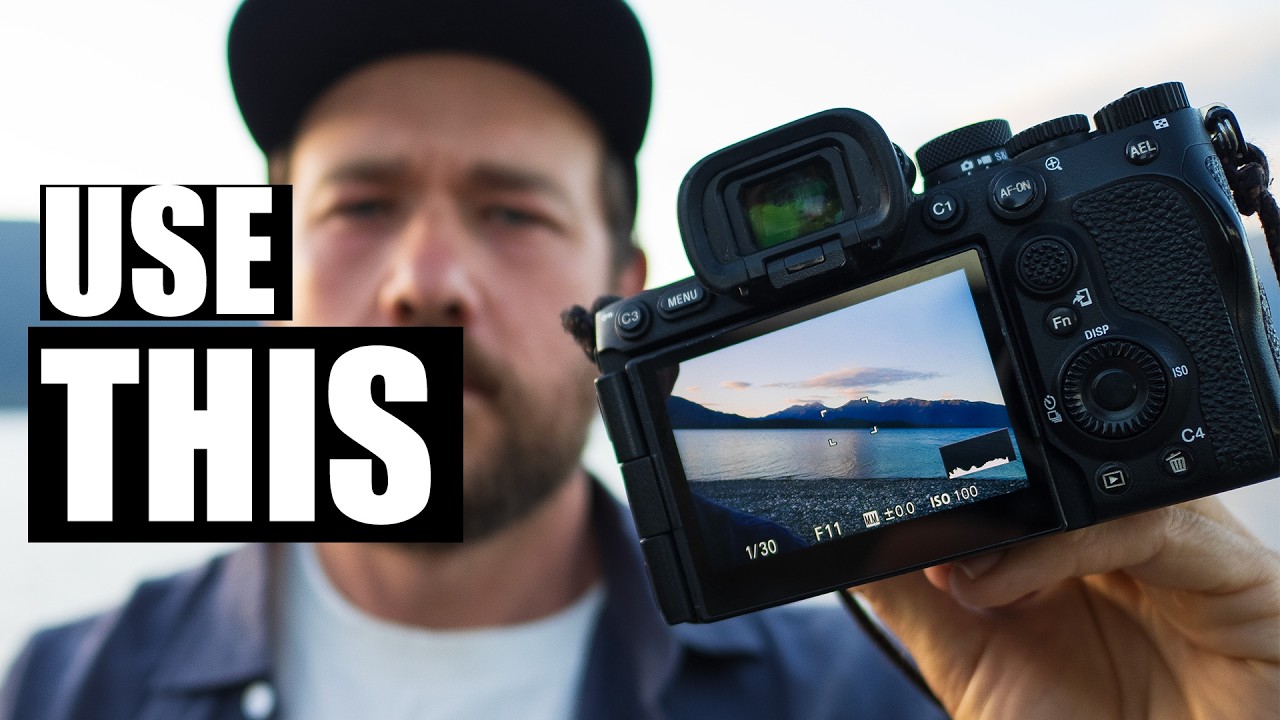
There is a particular kind of frustration that comes from standing at the edge of a lake at 5am, the sky doing something extraordinary, and blowing the shot because you trusted your eyes instead of your data. I’ve done it more times than I care to admit. The sky looked balanced through the viewfinder, the image felt right, and then I got home and found a washed-out sun with no detail to recover.

How to Work a City at Sunrise: Field Techniques from the Banks of the Seine

How to Work a City at Sunrise: Field Techniques from the Banks of the Seine

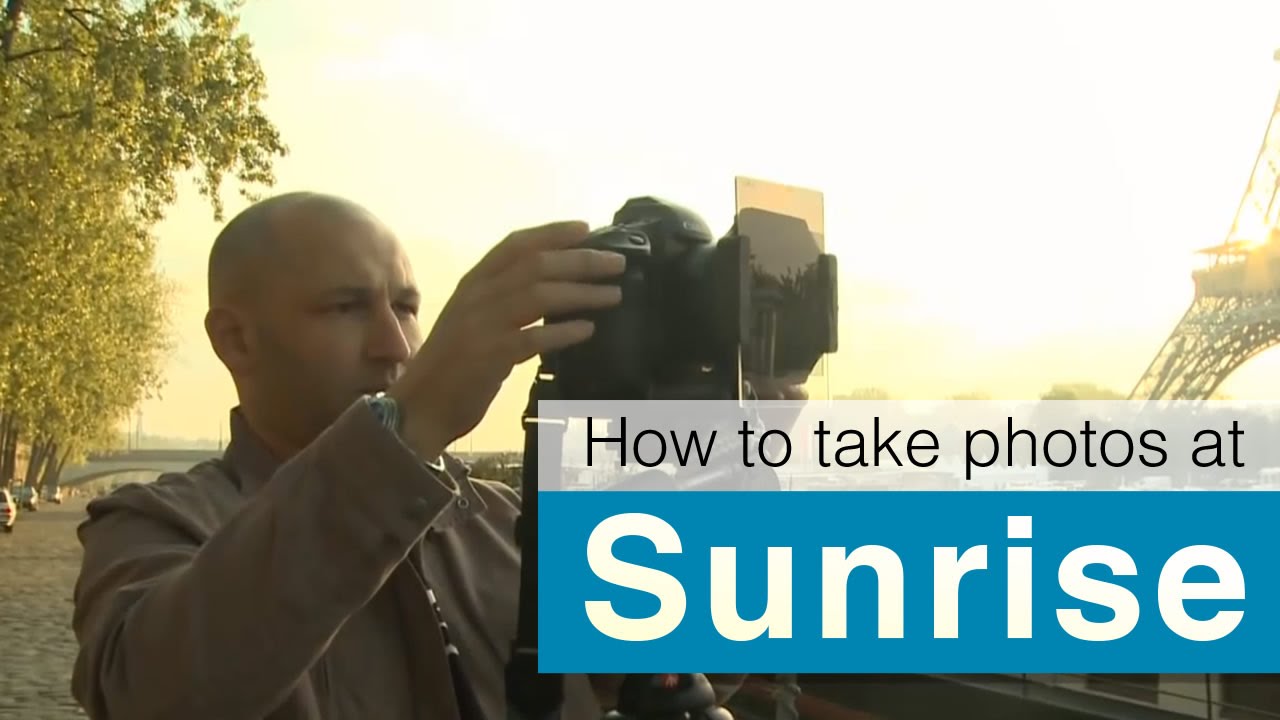
There’s a particular kind of pressure that comes with shooting in a famous location. Paris, the Eiffel Tower, the Seine at sunrise. Every angle has been photographed ten thousand times, and the temptation is to either give up on originality entirely or freeze up trying to find it. I’ve felt that same pressure standing on the rim of Crater Lake or at the base of Smith Rock right here in Oregon.

Shooting in the Rain: What Thomas Heaton's Soaked Scottish Walkthrough Taught Me About Embracing Bad Weather

Shooting in the Rain: What Thomas Heaton's Soaked Scottish Walkthrough Taught Me About Embracing Bad Weather

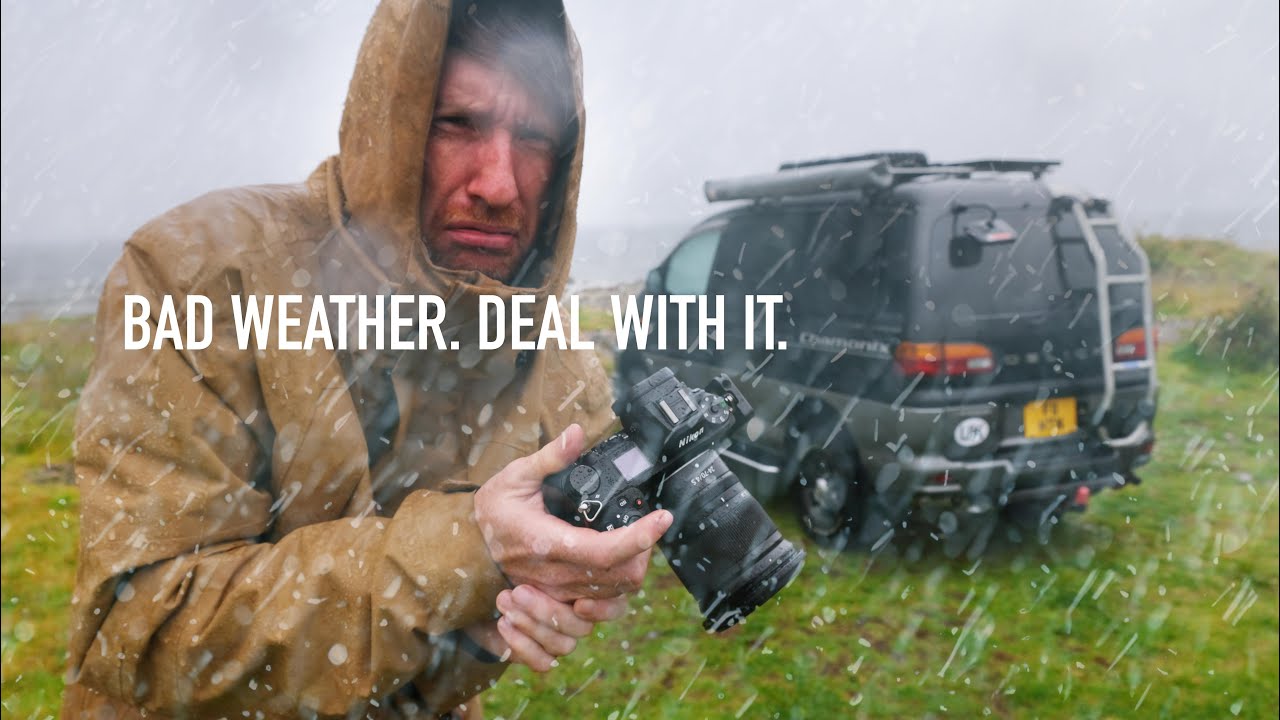
There’s a version of me from fifteen years ago who would have looked at a wall of rain through the van windshield and driven home. I’ve spent enough mornings sitting in my truck outside a trailhead in the Oregon Cascades, watching the clouds dump on a location I’d scouted for weeks, to know how seductive that retreat feels. The hard truth I’ve learned - slowly, sometimes miserably - is that bad weather is not the enemy of landscape photography.