What a Telephoto Lens Taught Me About Slowing Down (In Every Sense)

What a Telephoto Lens Taught Me About Slowing Down (In Every Sense)

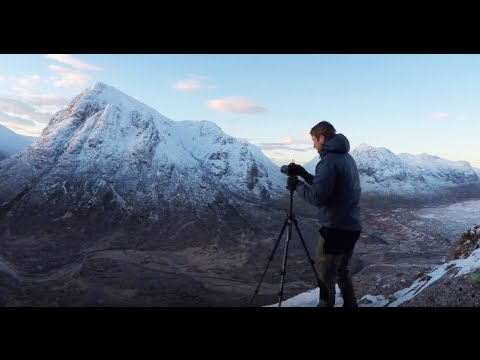
I’ve been shooting landscapes full-time for two decades, and I still fall into the wide-angle trap. It’s reflexive. Big scene, big sky, wide lens. You reach for the 16-35mm the way some people reach for their phone. But lately I’ve been forcing myself to think differently about compression, intimacy, and what “landscape” actually means when you strip away the drama of a grand vista. That question got sharper for me after watching William Patino work through this tutorial on telephoto landscape photography.

Why Your Landscape Photos Feel Flat (And How to Fix It With Stronger Composition)

Why Your Landscape Photos Feel Flat (And How to Fix It With Stronger Composition)

I spent the better part of last autumn frustrated with a series of shots from the Cascades. Technically, they were fine. Sharp, well-exposed, good light. But something was off. They felt like records of a place rather than experiences of one. The viewer’s eye had nowhere to go. I kept cropping and re-exporting, thinking it was a processing problem, but the problem was earlier than that. The problem was in how I was building the frame before I pressed the shutter.

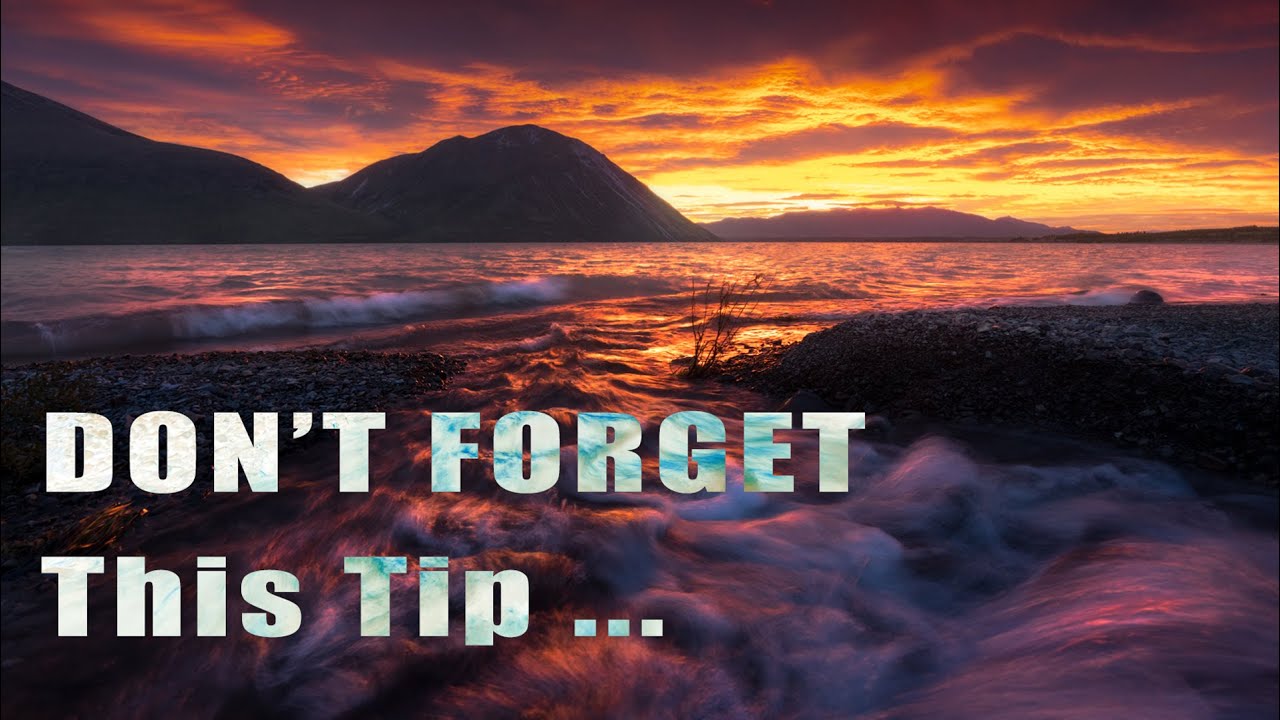
Why I Stopped Overlooking My Telephoto for Intimate Water Scenes

Why I Stopped Overlooking My Telephoto for Intimate Water Scenes

I’ve been shooting landscapes for twenty years and I still catch myself defaulting to the wide angle when I’m near water. It’s almost muscle memory at this point. Wide angle, foreground interest, dramatic sky. It’s a formula that works, but lately it’s been feeling like a rut. A few weeks ago I was out before sunrise along the Deschutes, trying to make something interesting out of a section of river I’ve photographed dozens of times.

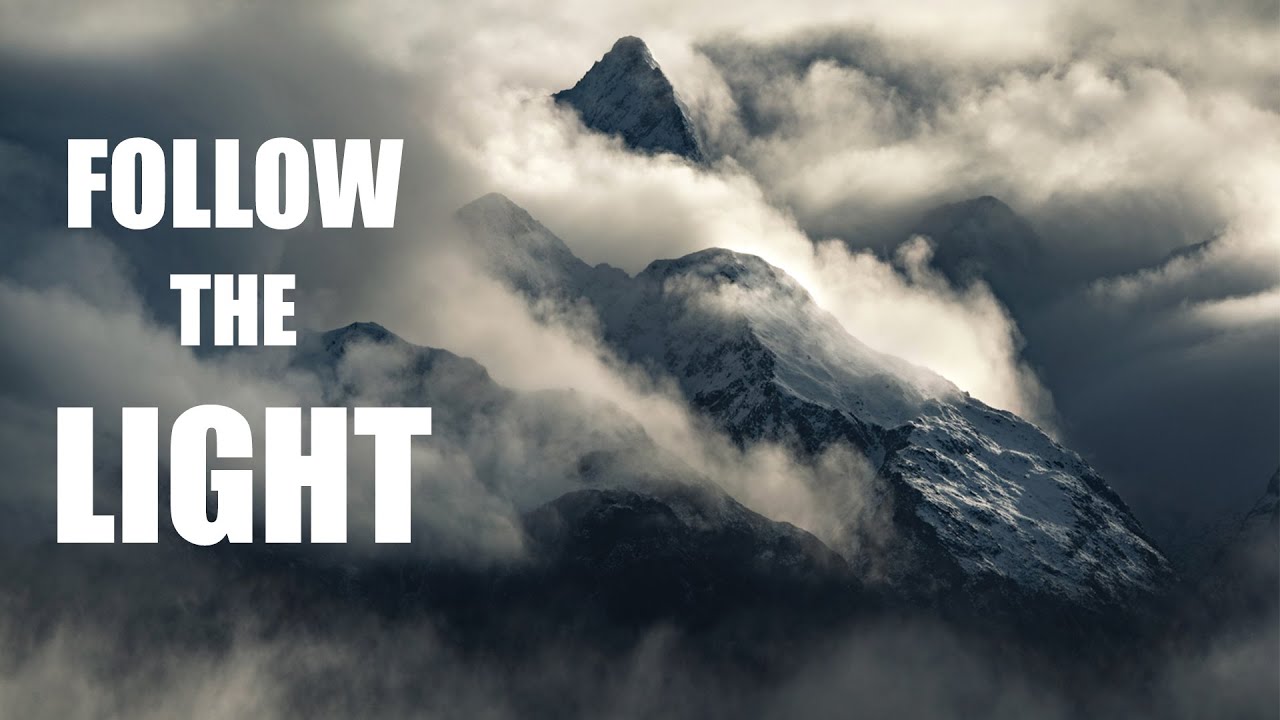
What Marc Muench Taught Me About Seeing Light Before You Lift the Camera

What Marc Muench Taught Me About Seeing Light Before You Lift the Camera

There’s a particular kind of frustration that comes from standing in a beautiful place and knowing the image isn’t working. Not because the light is bad. Not because you’re in the wrong spot. But because something in your process is off and you can’t quite name it. I’ve been shooting landscapes full time for twenty years and I still hit that wall. Last spring, scouting a juniper flat east of Bend, I kept making technically correct frames that felt hollow.

Focus Stacking for Landscape Photography: A Field-to-Photoshop Breakdown

Focus Stacking for Landscape Photography: A Field-to-Photoshop Breakdown

I was out at a basalt canyon last spring, low to the ground, trying to get a cracked rock formation in the foreground sharp while keeping a ridgeline two miles out equally crisp. I’ve been shooting landscapes for twenty years and I still hit this wall regularly. Physics doesn’t care how long you’ve been doing this. At any given aperture, you simply cannot hold sharp focus from eight inches to infinity in a single frame.

Focus Stacking in the Field: What Actually Works (and What to Do When It Doesn't)

Focus Stacking in the Field: What Actually Works (and What to Do When It Doesn't)

I shot a composition last fall out near Smith Rock that had everything going for it. Golden light, a foreground of frost-rimmed volcanic rock about eighteen inches from my lens, ridgeline in the distance catching the first clean rays of the day. I stopped down to f/16, took the shot, and called it good. Back at my desk, I had a soft foreground. The kind of soft that lives in your recycle bin inside of twenty seconds.

What Actually Happens When You Stop Chasing the Shot

What Actually Happens When You Stop Chasing the Shot

I had a week last autumn where every single morning session came back empty. Not technically empty, the files were there, but there was nothing worth keeping. I’d been rushing. Driving to the trailhead with a shot already built in my head, setting up in the dark, waiting for the light to match the image I’d already decided I wanted. When it didn’t, I packed up and left. I did that four mornings in a row and came home with nothing but sore feet and a bad attitude.

What a Telephoto Lens Taught Me About Slowing Down (And Slowing the Water)

What a Telephoto Lens Taught Me About Slowing Down (And Slowing the Water)

I’ve been shooting landscapes for twenty years and I still hit the same wall every winter: the wide compositions dry up. The big vistas I know by heart around central Oregon look flat in low light, the foreground interest disappears under snow or mud, and I find myself standing at a trailhead wondering why I drove out here before sunrise. Again. What pulls me through that rut, reliably, is compression. Picking up the long glass and looking for the quiet scene inside the obvious one.

How to Build a Landscape Frame That Actually Holds Together

How to Build a Landscape Frame That Actually Holds Together

I spent last autumn second-guessing almost every frame I made in the Cascades. Not the exposure, not the light. The composition. I’d get home, pull up the files, and feel that nagging sense that something wasn’t sitting right. The images were competent. They weren’t compelling. There’s a difference, and I knew it. That frustration is what sent me back to fundamentals. And this William Patino tutorial on landscape composition is the clearest breakdown of those fundamentals I’ve found in a long time.

When Epic Light Stops Being Enough: Rediscovering Quiet Moments in Landscape Photography

When Epic Light Stops Being Enough: Rediscovering Quiet Moments in Landscape Photography

I came back from three weeks in the Cascades last fall with about four hundred frames I was genuinely excited about. Dramatic ridgelines, alpenglow hitting volcanic peaks, the kind of light that stops you mid-step. Then I drove two hours west to the Oregon coast for a quiet weekend and came home with almost nothing. Not because the light was bad. Because I couldn’t see it anymore. My eye had recalibrated to spectacle, and the soft kelp-grey morning fog rolling through the shore pines read as nothing.

Balancing Light and Composition at Sunset: What William Patino's Framework Taught Me to Stop Ignoring

Balancing Light and Composition at Sunset: What William Patino's Framework Taught Me to Stop Ignoring

I’ve been shooting sunsets for two decades. I live in Bend, Oregon, which means I have a near-endless supply of dramatic skies, volcanic ridgelines, and golden-hour light that arrives like it was personally scheduled. And yet, about three months ago, I came home from a session at Smith Rock with a full card and nothing worth keeping. The light had been genuinely beautiful. I’d been technically sound. But every frame felt scattered, like I’d photographed a feeling instead of a scene.

The Framework I Wish I'd Had Twenty Years Ago: Composing Landscape Images That Actually Work

The Framework I Wish I'd Had Twenty Years Ago: Composing Landscape Images That Actually Work

I’ve been shooting landscape photography full-time for two decades, and I still have weeks where I come home from a location and sit with my files feeling like something is off. The light was good. The conditions cooperated. But the images feel flat, or crowded, or just… unsettled. Usually that feeling traces back to the same root problem: I stopped thinking deliberately about the frame and started reacting to the scene.