Why I Stopped Treating ISO Like a Four-Letter Word (And You Should Too)

Why I Stopped Treating ISO Like a Four-Letter Word (And You Should Too)

There’s a rule I carried around for years like a stone in my pack: keep ISO at 100, always. I learned it early, repeated it in workshops, and held onto it even when the light was failing and I knew, somewhere in the back of my mind, that I was making compromises that hurt my images. I’d drag my shutter speed to half a second, a full second, longer, trying to hold the exposure together without touching that dial.

Start With a Game Plan: How I Edit Sunrise and Sunset RAW Files in Camera Raw

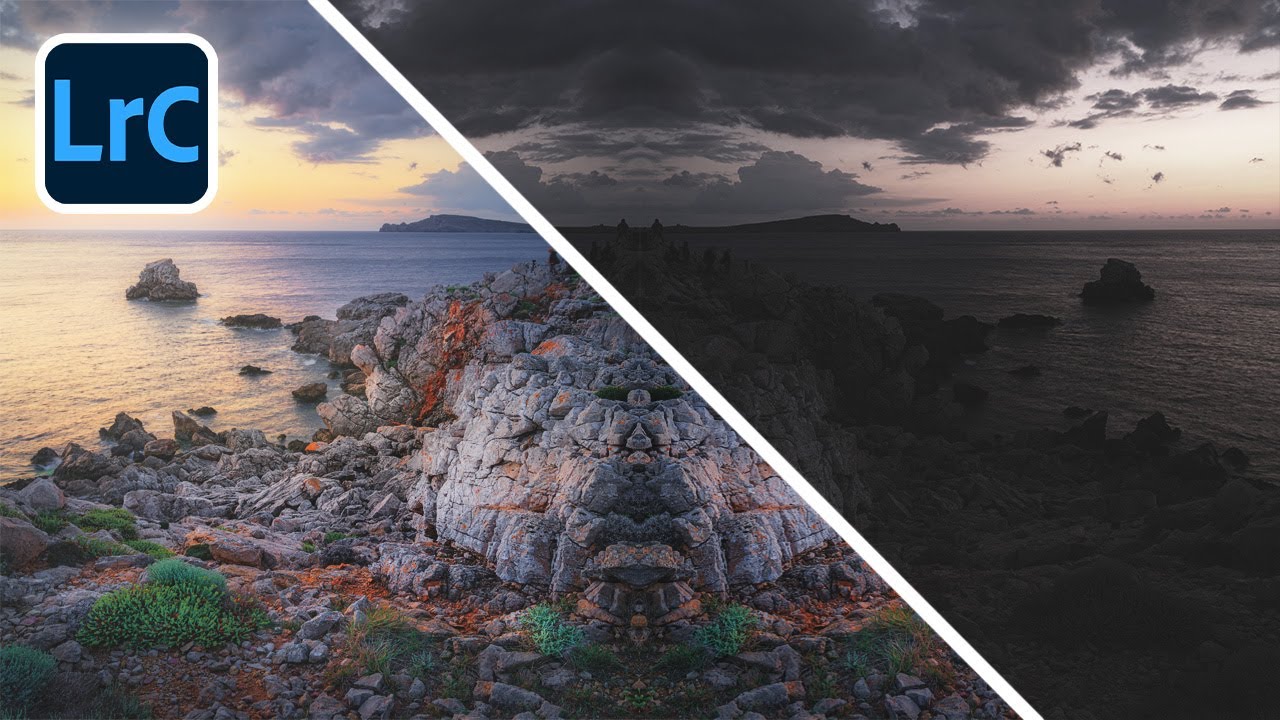
Start With a Game Plan: How I Edit Sunrise and Sunset RAW Files in Camera Raw

There’s a particular kind of flat, lifeless RAW file that every landscape photographer knows. You’ve dragged yourself out of a warm bed at 4am, driven a dark road to a location you’ve been thinking about for weeks, and you caught the light. You know you caught it. But when you open that file on your screen, it looks like a mistake. The colors are muddy, the highlights are blown, and the whole thing feels like a betrayal.

Why I Stopped Buying Cheap Ball Heads (And What the Really Right Stuff BH-40 Actually Does for Landscape Work)

Why I Stopped Buying Cheap Ball Heads (And What the Really Right Stuff BH-40 Actually Does for Landscape Work)

There’s a particular kind of tax that landscape photographers pay early in their careers. Not a financial one, though that’s real enough. It’s the tax of friction. Every morning you’re fighting your gear instead of reading the light, and you don’t even realize it yet because you don’t know what smooth feels like. I spent probably three years shooting on ball heads that I’d settled for, and the subtle frustration of a slipping clamp or a ball that moved in lurches rather than glides cost me more compositions than any lens I’ve ever owned.

Shooting Yosemite in Winter: How to Find Compositions When Everything Looks Perfect

Shooting Yosemite in Winter: How to Find Compositions When Everything Looks Perfect

There’s a particular kind of paralysis that hits you in a place like Yosemite in winter. You step out of the car, snow on the ground, frost still clinging to the trees, and the light doing something almost unfair across the valley walls. You raise the camera and then… freeze. Not from the cold. From the overwhelming abundance of it all. Every direction is a photograph. Which means, practically speaking, you have nothing.

Trading Screen Time for Shutter Time: What Nature Photography Does for Your Head (and Your Images)

Trading Screen Time for Shutter Time: What Nature Photography Does for Your Head (and Your Images)

There is a number I keep coming back to: seven hours. That is the average amount of time people spend looking at screens each day. I know photographers who spend that long editing, scrolling for inspiration, or arguing in comment sections about gear they will never buy. I spent years doing some version of that myself, and I can tell you with some certainty that none of it made me a better photographer or a happier person.

When Plans Fall Apart: How to Shoot Coastal Long Exposures with Whatever the Day Gives You

When Plans Fall Apart: How to Shoot Coastal Long Exposures with Whatever the Day Gives You

There’s a version of landscape photography that looks like pure intention. You pick the location, you check the forecast, you set three alarms. Then there’s the version that actually happens. I’ve been shooting full-time for twenty years, and I still have mornings where everything unravels before I’ve touched the camera. What keeps those mornings from being wasted isn’t luck. It’s having a secondary project already thought through, something you can pull off the shelf when your original plan falls apart.

Is Your Composition Too Busy? 5 Signs I Learned to Recognize (The Hard Way)

Is Your Composition Too Busy? 5 Signs I Learned to Recognize (The Hard Way)

There’s a particular kind of frustration that comes from returning home with a full memory card, pulling images up on the monitor, and feeling a quiet unease you can’t quite name. The photos aren’t technically wrong. Exposure is solid, focus is sharp, the light was genuinely beautiful. But something about them feels cluttered. Restless. Like a room where someone shoved too much furniture against the walls. I’ve been shooting landscapes full-time for two decades, and I still run into this problem.

Three Lenses, One Mountain: A Composition Guide That Actually Works in the Field

Three Lenses, One Mountain: A Composition Guide That Actually Works in the Field

There’s a particular kind of frustration that comes from standing in front of a jaw-dropping mountain scene and knowing, somewhere in the back of your mind, that your images aren’t going to do it justice. I’ve been shooting landscapes full-time for two decades and I still wrestle with it. Mountains are humbling that way. The scale defies a single frame. The light moves faster than you expect. And the lens you grabbed first is usually the wrong one.

Light, Weight, and the Freedom to React: Field Notes on the Nikon Z5 for Landscape Photography

Light, Weight, and the Freedom to React: Field Notes on the Nikon Z5 for Landscape Photography

There’s a specific kind of frustration that every landscape photographer knows: you’re watching extraordinary light develop in front of you, and by the time you’ve locked your tripod down and dialed in your settings, it’s gone. I’ve stood in enough pre-dawn fields in central Oregon to understand that the camera you can use right now is often more valuable than the camera with the theoretically better specs still in the bag.

When the Mountain Changes Your Plans: Field Lessons from a Haystacks Winter Shoot

When the Mountain Changes Your Plans: Field Lessons from a Haystacks Winter Shoot

There is a particular kind of photographer who shows up with a perfect shot list, a scouted location, a tide chart, and a color-coded timeline, and then watches the weather tear it all apart by noon. I have been that photographer more times than I care to count. Twenty years of dragging gear up ridgelines before sunrise will teach you, eventually, that your plan is just a starting point. The mountain, as a mentor of mine once put it, does not care about your schedule.

How to Shoot a City You've Never Seen Before: Lessons from Punta Arenas

How to Shoot a City You've Never Seen Before: Lessons from Punta Arenas

There’s a particular kind of discomfort that comes with showing up somewhere you don’t know with a camera in your hand. No scouted locations, no golden hour coordinates saved in PhotoPills, no local knowledge whatsoever. I’ve felt it plenty of times. You’re standing on a street corner squinting at rooftops, trying to reverse-engineer a composition out of pure improvisation. Most photographers I know either freeze up or default to tourist snapshots.

Landscape vs. Portrait: The Camera Settings That Actually Matter in the Field

Landscape vs. Portrait: The Camera Settings That Actually Matter in the Field

There’s a particular kind of frustration that comes from standing in front of a stunning scene, knowing the light is right, and fumbling with your camera settings while the moment slips away. After twenty years of pre-dawn drives and frozen fingers, I still think the fastest path to consistent images is having a clear, repeatable settings framework before you ever raise the camera to your eye. Not because creativity should be mechanical, but because when the technical side is locked in, your mind is free to actually see.