How Mist and Flat Light Can Make Your Landscape Shots — If You Know How to Read Them

How Mist and Flat Light Can Make Your Landscape Shots — If You Know How to Read Them

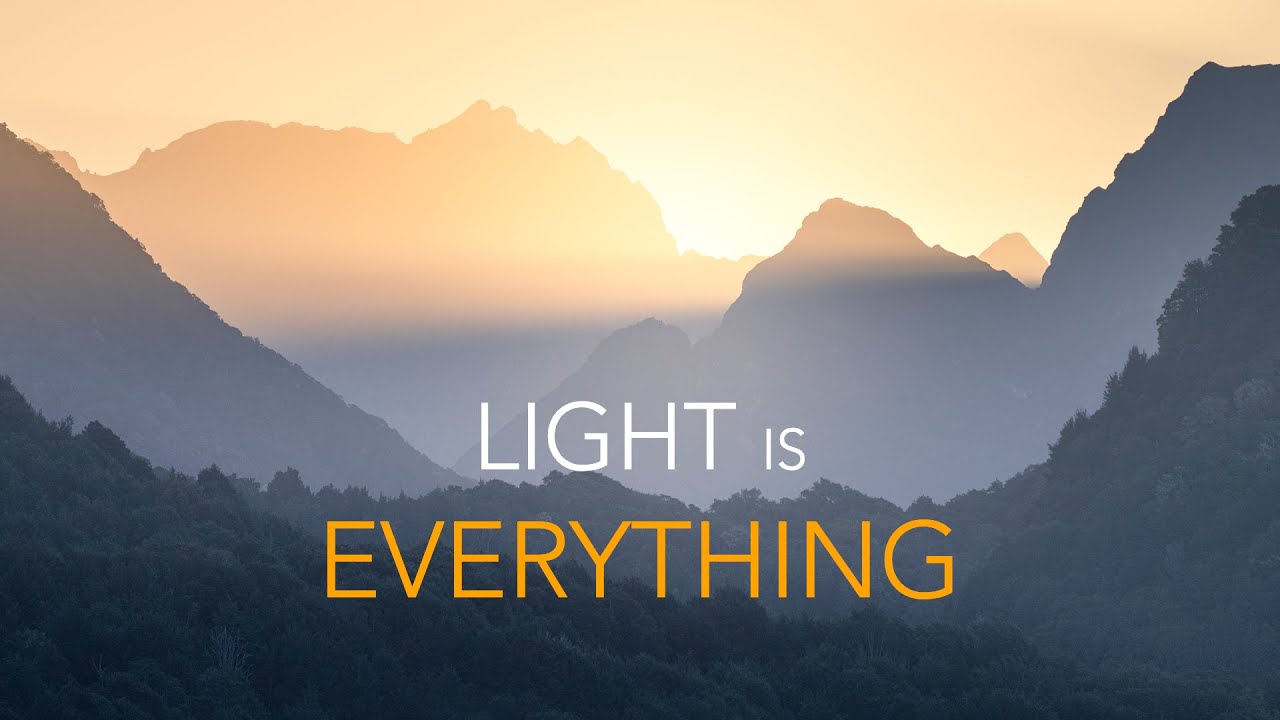
There’s a version of this job that looks glamorous from the outside. Golden hour, dramatic skies, the shot comes easy. But after twenty years shooting landscapes full-time, I’ll tell you the sessions I learn the most from are the ones where the light refuses to cooperate. Overcast skies, drizzle, that flat gray ceiling that makes beginners pack up and go home. Those are the conditions that separate photographers who understand light from photographers who just wait for it.

How to Photograph a Sunstar: The Two Things That Actually Matter

How to Photograph a Sunstar: The Two Things That Actually Matter

There is a particular kind of shot that stops people mid-scroll. The sun sits just behind a rock, a tree, or the edge of a cliff, and light rays spray outward in perfect symmetry like a starburst drawn by hand. I spent an embarrassing amount of time in my early years chasing that look without fully understanding what was creating it. I knew aperture was involved, but I kept blowing out the highlights or getting a smear of lens flare instead of crisp rays.

Shooting in Foul Weather: What a Scottish Storm Taught Me About Finding the Shot

Shooting in Foul Weather: What a Scottish Storm Taught Me About Finding the Shot

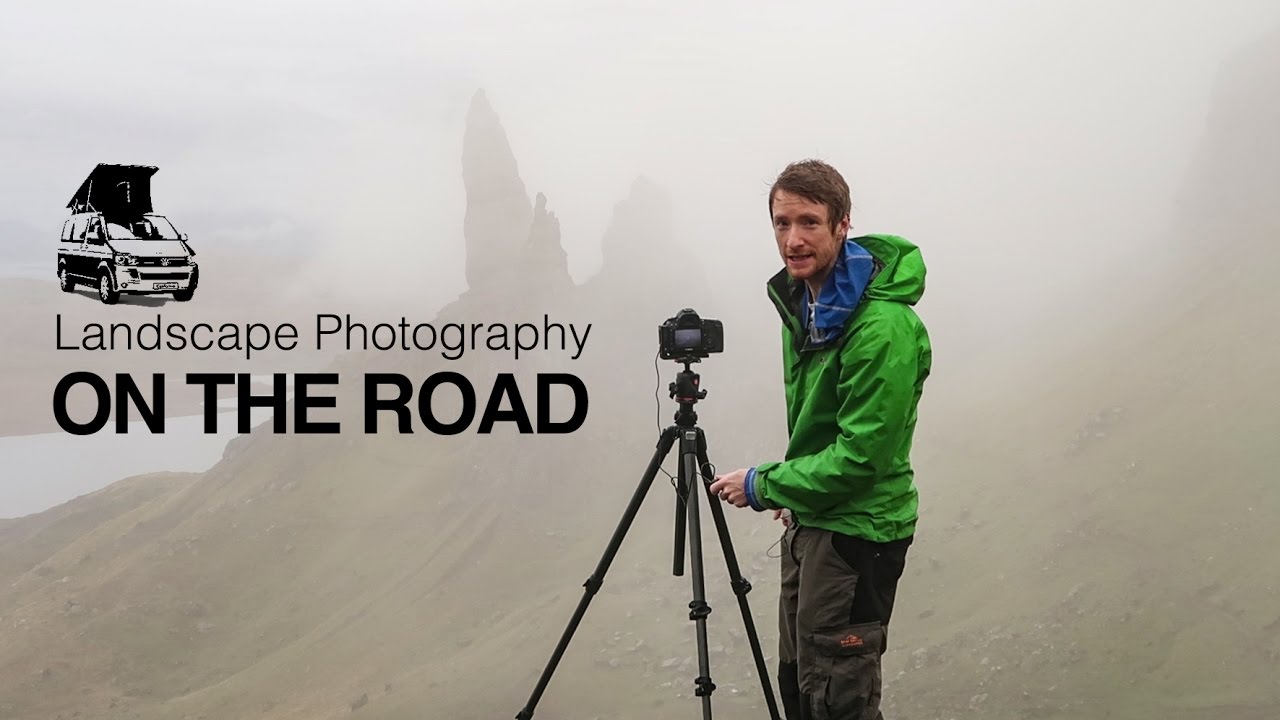
There’s a particular kind of misery that comes with arriving at a location after a long drive only to find flat gray light, horizontal rain, and a scene that refuses to cooperate. I’ve lived that morning more times than I can count. Twenty years into this work, I still don’t have a clean answer for what to do when the weather beats you. What I do have is a set of habits that keep me shooting when most people would retreat to the car.

Why Your Landscape Photos Feel Cluttered (And the Simple Fix That Changes Everything)

Why Your Landscape Photos Feel Cluttered (And the Simple Fix That Changes Everything)

I’ve spent twenty years standing in cold rivers at first light, driving through the dark to catch a sunrise that may or may not show up, and staring at my own photos trying to figure out why some work and some simply don’t. After all that time in the field, I can tell you that the failure point for most outdoor images isn’t exposure or gear or even light. It’s something quieter and harder to name.

From 1,000 Raw Files to 8 Keepers: The Culling System That Changed How I Work

From 1,000 Raw Files to 8 Keepers: The Culling System That Changed How I Work

Every time I come home from a shoot, the same quiet dread settles in. The boots are still muddy, the thermos is still cold, and sitting on my desk is an SD card with somewhere between 600 and 1,200 images on it. I’ve been doing this for twenty years and I still feel it. The problem was never the editing itself. I actually love sitting down with a strong cup of coffee and working through a file I believe in.

The LCL Framework: A Simple Editing Order That Stopped Me From Wrecking My Landscape Photos

The LCL Framework: A Simple Editing Order That Stopped Me From Wrecking My Landscape Photos

I spent the better part of my first two years as a photographer treating editing like a chore I could outrun. I was convinced that if I just nailed the exposure in the field, the image would mostly take care of itself. It didn’t. I’d come home from a pre-dawn shoot in the Cascades, crack open Photoshop, push a few sliders around with no particular logic, and wonder why my images looked muddy or over-cooked or simply flat.

What Landscape Photographers Get Wrong When They Add a Human Element (And How to Fix It Fast)

What Landscape Photographers Get Wrong When They Add a Human Element (And How to Fix It Fast)

Most of my working life is spent without a person in the frame. The mountain, the river, the pre-dawn sky — that’s my subject, and I’ve spent twenty years learning how to read those things. But landscapes with a human figure are some of my best-selling prints, and workshops I run in central Oregon almost always include a session where participants photograph each other in the field. That’s where I started noticing a consistent problem: photographers who can perfectly compose a ridgeline have no idea what to do the moment a person walks into the shot.

How to Find and Shoot an S-Curve Composition When the Light Fails You

How to Find and Shoot an S-Curve Composition When the Light Fails You

I’ve stood on enough beaches, ridgelines, and river banks at 4am to know that the light you planned for rarely shows up on time. Sometimes it doesn’t show up at all. After two decades of this, I’ve stopped treating a failed sunrise as a failed shoot. The question I ask now is: what does the scene still have? And more often than not, if I look at my feet instead of the sky, the answer is a strong lead-in line.

Lightroom's New Landscape Masking Tool Changes How I Edit in the Field

Lightroom's New Landscape Masking Tool Changes How I Edit in the Field

I have spent twenty years building masks by hand. Sky selections, foreground separations, water isolations, rock faces pulled out with luminosity ranges stacked on top of each other like geological layers. Some of my most-used Lightroom sessions have more masks than most photographers apply in a month. That is not a brag. It is a confession. Local adjustments are the engine of a finished landscape photograph, but the time they demand is real, and after two decades I have learned to budget for it the way I budget for golden hour.

When Good Enough Is the Point: Shooting Landscapes Without the Pressure of Originality

When Good Enough Is the Point: Shooting Landscapes Without the Pressure of Originality

There’s a particular kind of paralysis that sets in when you believe every frame you take needs to be groundbreaking. I’ve watched it happen to photographers at my workshops. They’ll stand at the edge of a stunning scene, golden light raking across the water, and hesitate. “Someone’s already shot this,” they say. “It’s been done.” And then they don’t shoot it. They go home with nothing. I’ve done it myself, earlier in my career, standing somewhere genuinely beautiful and talking myself out of pressing the shutter because I couldn’t figure out how to make it original enough.

Five Focus Stacking Mistakes That Are Quietly Killing Your Sharpness

Five Focus Stacking Mistakes That Are Quietly Killing Your Sharpness

There’s a particular kind of frustration that comes from doing everything right on location, hauling gear to a pre-dawn ridgeline, nailing your composition, getting home, and watching Photoshop turn your carefully captured focus stack into a blurry, misaligned mess. I’ve been shooting landscapes full-time for two decades now, and focus stacking is one of those techniques that looks deceptively simple until it quietly betrays you at the worst possible moment. It took me longer than I’d like to admit to figure out that the problem wasn’t the blending software.

Is the Tenba Solstice 24L the Right Pack for Landscape Photographers? A Working Pro's First Look

Is the Tenba Solstice 24L the Right Pack for Landscape Photographers? A Working Pro's First Look

I’ve gone through more camera bags than I care to admit. After twenty years of pre-dawn starts in the Oregon high desert, wading creeks in the Cascades, and hauling gear through airport security more times than I can count, I’ve developed strong opinions about what belongs on my back. The wrong bag doesn’t just cause discomfort. It slows you down, makes you hesitate, and on a shoot where the light lasts maybe eight minutes, hesitation is the whole ballgame.