iPhone Landscape Photography: 5 Field-Tested Tips That Actually Hold Up

iPhone Landscape Photography: 5 Field-Tested Tips That Actually Hold Up

I’ll be honest with you. For a long time, I left my iPhone in my bag when I was out shooting. Twenty years of hauling full-frame gear up ridgelines before dawn will do that to you. The phone felt like a compromise, and I don’t compromise easily. Then one morning in the eastern Cascades, I’d left my Nikon in the truck and the light broke open in a way that made my chest hurt.

Staying Connected to Landscape Photography When You Can't Get Outside

Staying Connected to Landscape Photography When You Can't Get Outside

There’s a particular kind of restlessness that sets in when you can’t shoot. I’ve felt it after injuries, after stretches of genuinely unworkable weather, and during any period when life pulls you away from the field. After twenty years of waking before dawn and dragging a tripod to places most people will never see, I can tell you that the photographers who grow the most aren’t always the ones who shoot the most.

Wide Angle Lens Composition in the Field: What a New Zealand Canyon Taught Me About Slowing Down

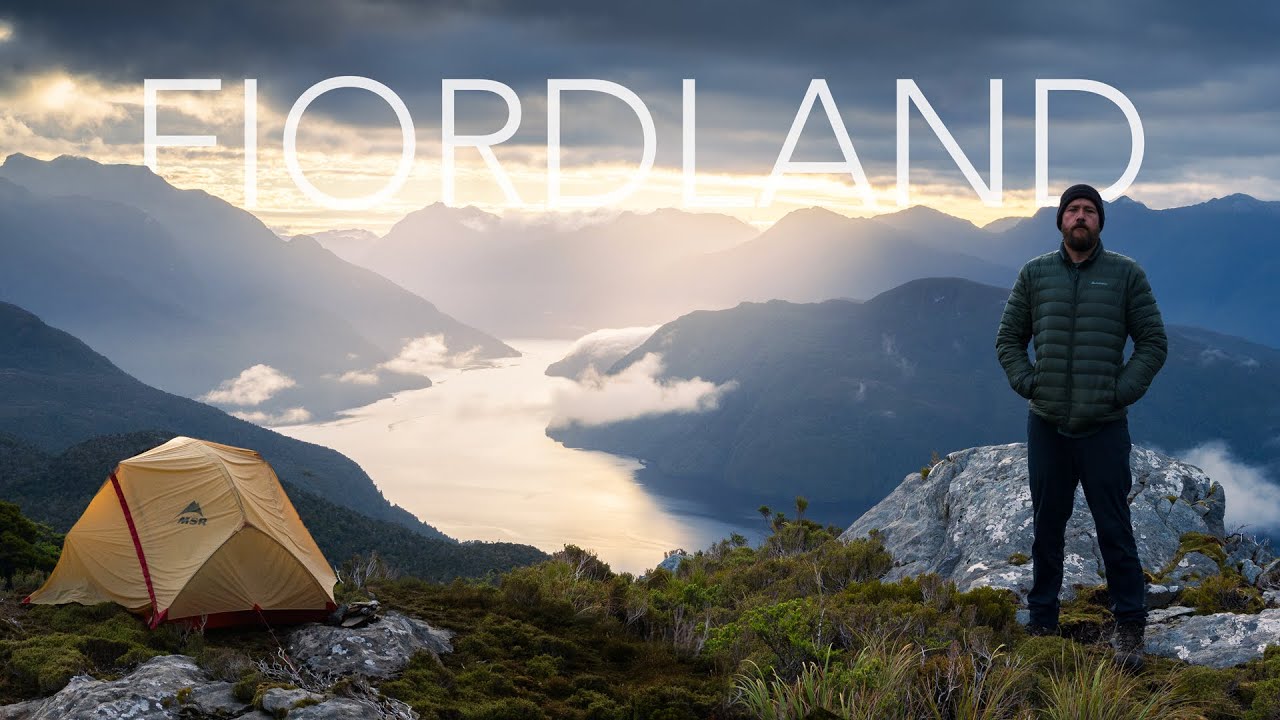
Wide Angle Lens Composition in the Field: What a New Zealand Canyon Taught Me About Slowing Down

There’s a specific kind of creative paralysis that hits when you finally reach a stunning location and realize you have no idea where to put the camera. I’ve felt it standing in the Columbia River Gorge at first light, boots soaking, with a scene so layered and busy that the wide angle lens on my camera felt less like a tool and more like an accusation. Wide angle lenses are capable of extraordinary landscape images, but they punish lazy framing harder than any other focal length.

Light as a Leash: How to Edit Landscape Photos That Guide the Eye

Light as a Leash: How to Edit Landscape Photos That Guide the Eye

There’s a moment every photographer hits, usually sometime in the second year, where the gear starts feeling comfortable and then the bottom drops out. You’ve got good RAW files sitting on your hard drive and no real idea what to do with them. I remember that feeling clearly, even after two decades of doing this professionally. The technical side of post-processing has a way of looking far more complicated than it actually is.

From Flat to Dimensional: 6 Editing Skills That Changed How I Process Every Landscape Photo

From Flat to Dimensional: 6 Editing Skills That Changed How I Process Every Landscape Photo

There’s a version of me from about fifteen years ago who spent an hour on global sliders and called it done. Exposure up, contrast in, clarity pushed until the rocks looked like they were carved from steel. The images looked processed, not finished, and I couldn’t figure out why. It took a long time, and a lot of ruined files, before I understood that global adjustments set the stage. Local adjustments are where the actual editing happens.

The Mid-Range Lens Is Quietly the Most Useful Thing in My Camera Bag

The Mid-Range Lens Is Quietly the Most Useful Thing in My Camera Bag

There’s a lens sitting in my bag that I probably reach for more than I’d care to admit, given how long I spent ignoring it. For years I worked almost exclusively between two extremes: the ultra-wide for sweeping foreground drama, and the telephoto for compression and isolation. The mid-range zoom felt like a compromise. Neither fish nor fowl. I was wrong, and it took me an embarrassingly long time to figure that out.

Chasing the Last Light: What Nigel Danson's Coastal Sunset Shoot Taught Me About Reading the Sky

Chasing the Last Light: What Nigel Danson's Coastal Sunset Shoot Taught Me About Reading the Sky

There is a particular kind of pressure that builds in the last thirty minutes before sunset. The light is changing by the minute, you still haven’t locked in a composition, and the clouds are doing something you didn’t plan for. After twenty years shooting landscapes full-time, I still feel it every single time. What separates a productive evening from a frustrating one is rarely luck. It’s a set of decisions made quickly and with intention.

Bad Weather, Small Scenes, and the Quiet Art of Working With What You've Got

Bad Weather, Small Scenes, and the Quiet Art of Working With What You've Got

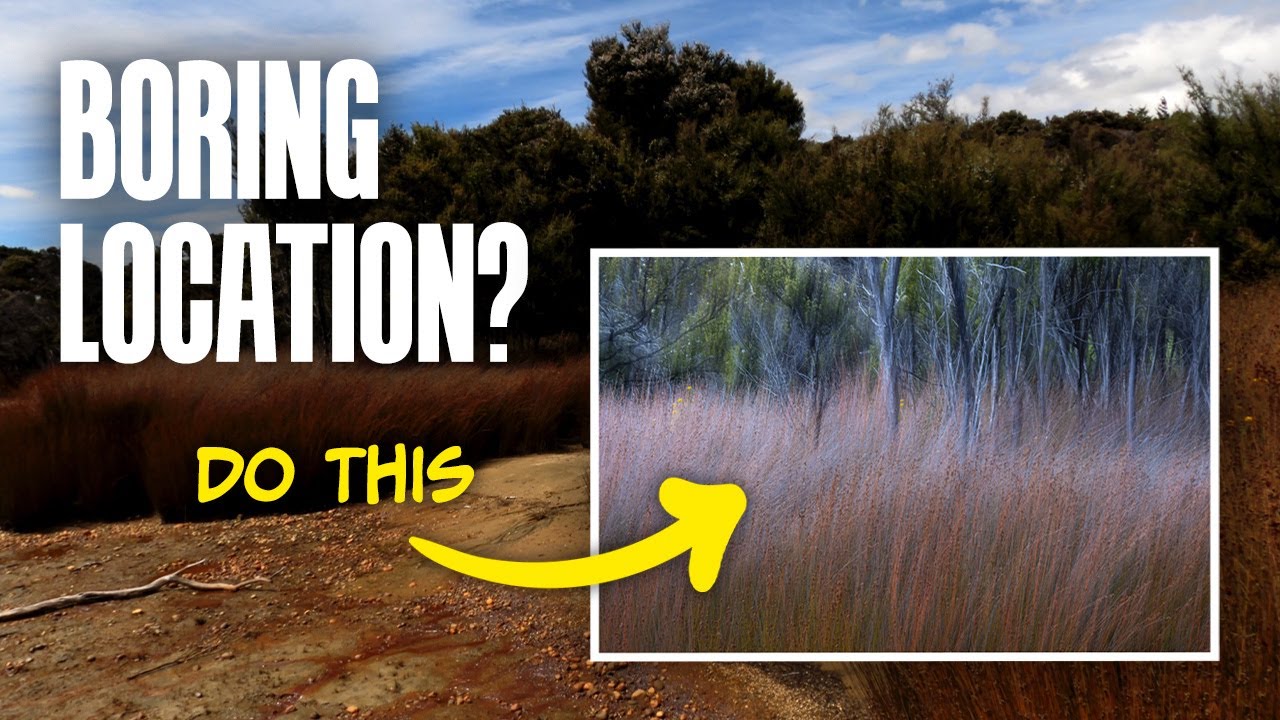
There’s a particular kind of afternoon I know well. The light is flat, your energy is low, and every instinct tells you to stay in the van. I’ve been making photographs for twenty years and I still have to talk myself out of the parking lot on days like that. What I’ve learned, slowly and sometimes expensively, is that those low-stakes sessions, the ones where nothing feels epic, are often where you build the sharpest eye.

See What Others Miss: A Landscape Photographer's Guide to Intimate Landscape Photography

See What Others Miss: A Landscape Photographer's Guide to Intimate Landscape Photography

There’s a particular kind of creative rut that’s easy to fall into as a landscape photographer, and I say that as someone who’s been doing this full time for two decades. You drive to a famous location, you set up where everyone else sets up, and you come home with a perfectly competent image that looks almost identical to the top result on a Google image search. The shot is technically fine.

What a £50,000 Camera Taught Me About Sensor Size (And Why It Still Comes Down to Light)

What a £50,000 Camera Taught Me About Sensor Size (And Why It Still Comes Down to Light)

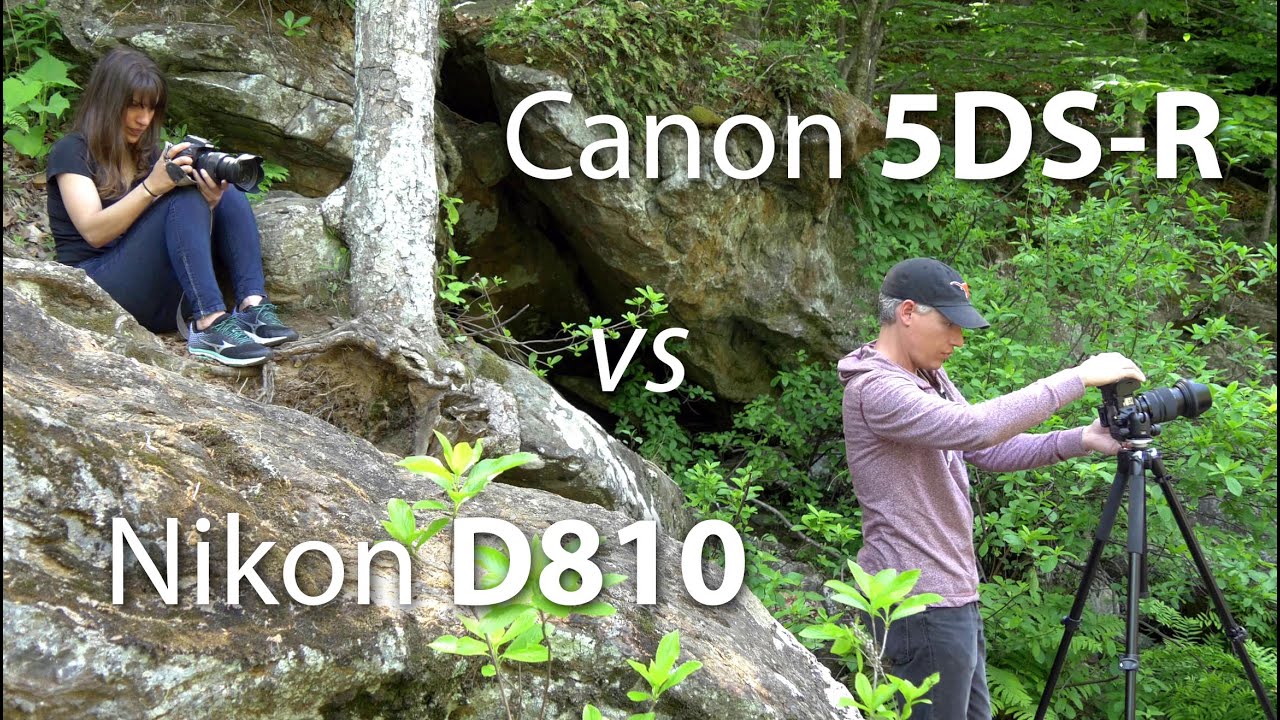
There’s a question I get at nearly every workshop I run: “Would better gear change your images?” My honest answer has always been the same. The light matters more than the camera. But I’ll admit there are moments when a piece of equipment makes you genuinely reconsider where the ceiling is. That’s the feeling I got watching Thomas Heaton take a Phase One XT IQ4 into the field, a system that runs north of £50,000, and document what it actually looks like to shoot with it as a working landscape photographer.

When the Light Fails You: What Nigel Danson Taught Me About Finding Compositions That Don't Need It

When the Light Fails You: What Nigel Danson Taught Me About Finding Compositions That Don't Need It

There’s a particular kind of afternoon I know too well. You’ve driven out, the gear is on your back, and the light that looked promising on the horizon has gone flat and grey. Most photographers pack up. The ones who keep shooting tend to learn something more durable than “wait for golden hour.” That’s the quiet lesson buried inside this Nigel Danson tutorial from the fells of the Lake District, and it’s one I wish someone had handed me twenty years ago when I was still convinced that good photography required perfect conditions.

Chasing Bluebells at Dawn: Field Techniques for Woodland Wildflower Photography

Chasing Bluebells at Dawn: Field Techniques for Woodland Wildflower Photography

There is a narrow window every spring when the bluebells are up and the canopy hasn’t fully closed, and if you miss it, you wait another year. I’ve driven to locations only to find the flowers past peak, or arrived at perfect light with no idea where to place my tripod. That gap between showing up and actually seeing the shot is something most tutorials skip over. What I appreciate about this recent vlog from First Man Photography, Watch the full tutorial on YouTube, is that it doesn’t skip that part.