When the Location Fights Back: Wildlife and Landscape Photography on a Coastal Nature Reserve

When the Location Fights Back: Wildlife and Landscape Photography on a Coastal Nature Reserve

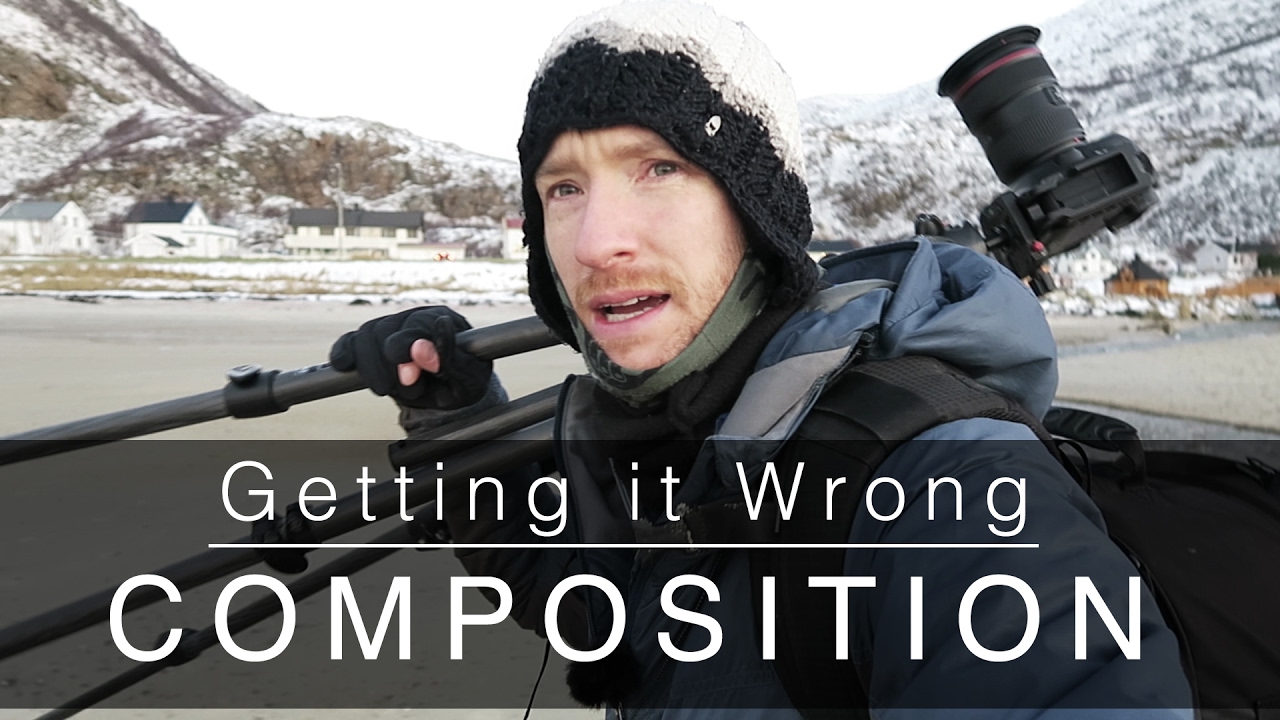
There’s a particular kind of shoot I’ve done dozens of times over twenty years: the one where everything you planned evaporates within the first hour. Wrong season, wrong access, wrong light. You either pack up and sulk, or you adapt and find something better than what you came for. The photographers who last in this work are the ones who’ve made peace with that second path. That’s why I keep coming back to Thomas Heaton’s work.

Mud, Mist, and Mount Tutoko: Field Lessons from a Fiordland Photography Hike

Mud, Mist, and Mount Tutoko: Field Lessons from a Fiordland Photography Hike

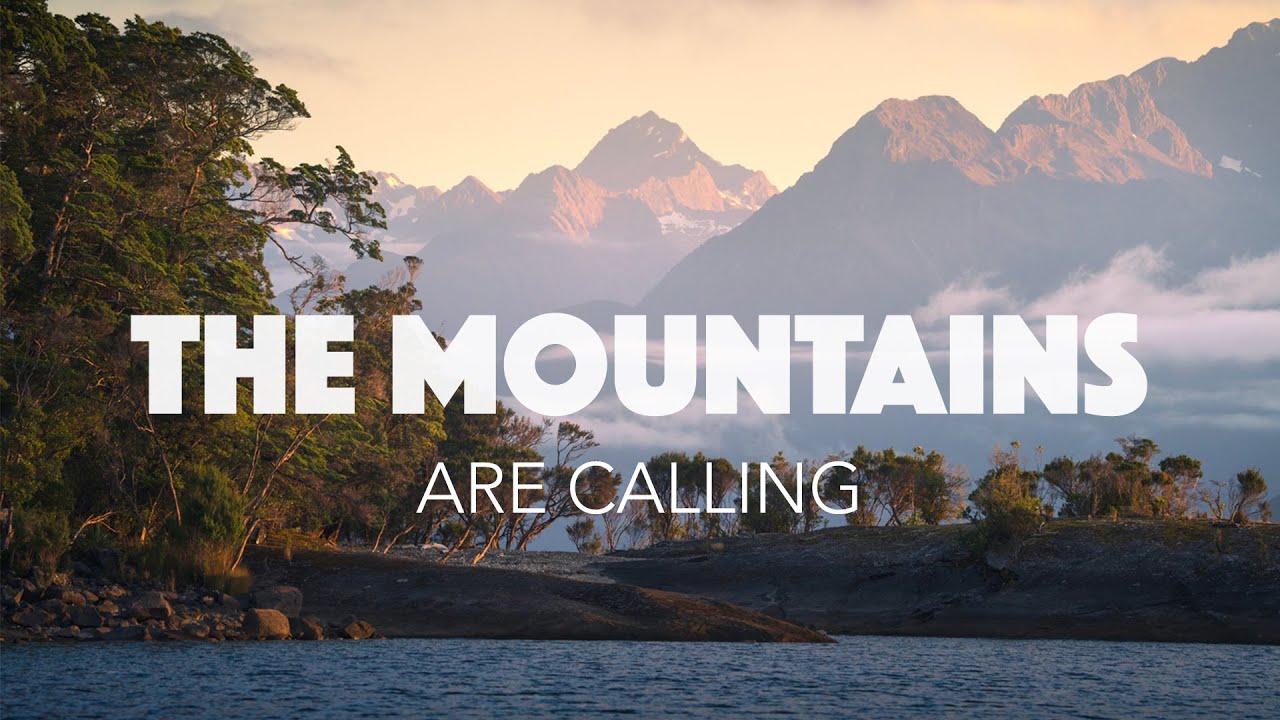
There’s a particular kind of shoot that doesn’t go the way you planned, and ends up being the one you talk about for years. I’ve had enough of those to recognize them in someone else’s footage. In this William Patino tutorial, he heads into Fiordland, New Zealand, with his shooting partner Federico to photograph Mount Tutoko, the tallest peak in the region. The weather is marginal, the trail is a swamp, and sandflies are getting on the lens.

Using Rain and Telephoto Compression to Isolate a Single Tree (Lessons from the Lake District)

Using Rain and Telephoto Compression to Isolate a Single Tree (Lessons from the Lake District)

There’s a shot I nearly gave up on three times before I finally got it. A lone ponderosa pine on a ridge east of Bend, backlit by a storm rolling in from the Cascades. The conditions that made it work were not the ones I’d planned for. The flat golden hour I’d imagined never arrived. What showed up instead was rain, mist, and a kind of natural separation between the tree and the hillside behind it that no amount of waiting for perfect light could have manufactured.

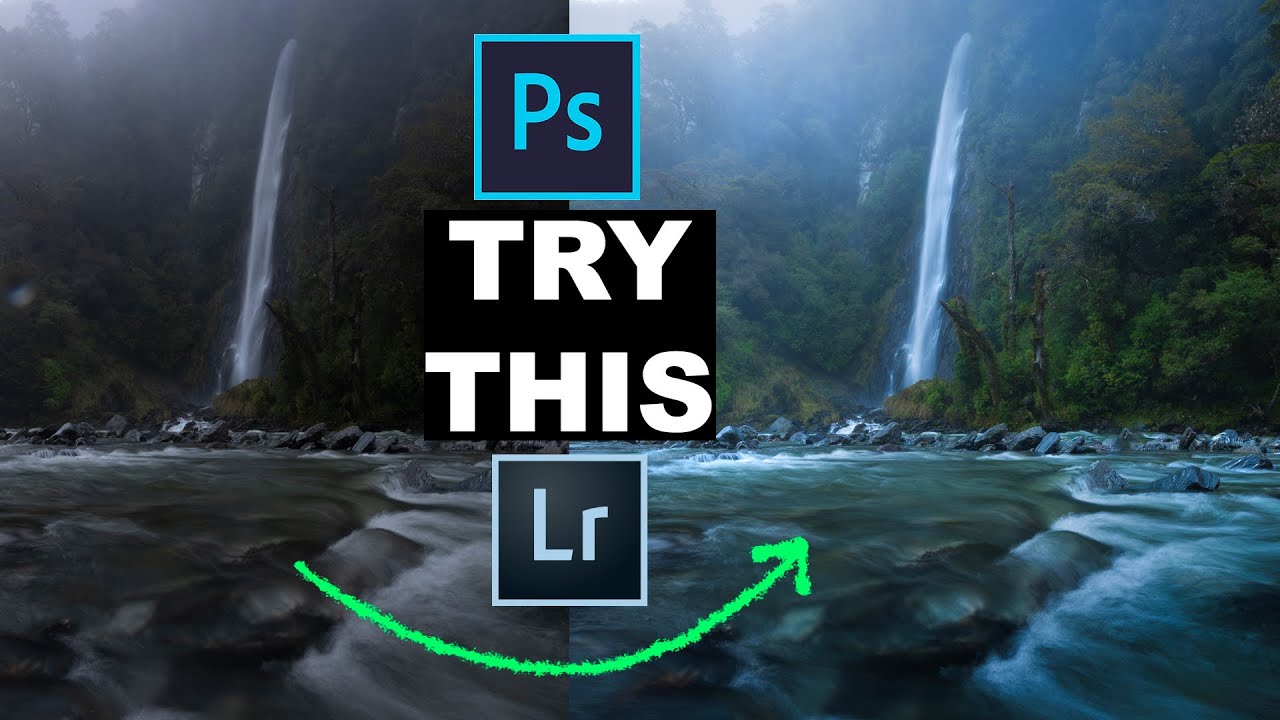
When the Shot Doesn't Work: What a Wilderness Waterfall Taught Me About Honest Editing

When the Shot Doesn't Work: What a Wilderness Waterfall Taught Me About Honest Editing

There’s a particular kind of disappointment that only landscape photographers know. You’ve hiked for an hour, you’ve found something genuinely beautiful, you’ve made careful frames in the field, and then you get home, pull up the RAW files, and realize: none of these are keepers. Not because you made a technical error. Because the scene, for all its real-world magic, just didn’t translate. I’ve been doing this for twenty years and that feeling still catches me off guard.

Chasing Light and Lightning: Field Lessons from a Day of Seabird and Coastal Landscape Photography

Chasing Light and Lightning: Field Lessons from a Day of Seabird and Coastal Landscape Photography

There’s a particular kind of day in field photography that teaches you more than any workshop ever could. It’s the day where you start with a plan, the weather dismantles it piece by piece, and you either adapt or you go home empty. I’ve had hundreds of those days over the past twenty years. They’re the ones I remember most. In this First Man Photography tutorial, Watch the full tutorial on YouTube, the photographer sets out for a full day along the Yorkshire coast, starting with seabird photography at Bempton Cliffs and ending with a coastal sunset attempt at Flamborough Head that gets interrupted by a full-on lightning storm.

When the Light Lies: What Thomas Heaton's Iceland Mistake Taught Me About Reading a Scene

When the Light Lies: What Thomas Heaton's Iceland Mistake Taught Me About Reading a Scene

There’s a particular kind of hurt that comes from watching the sky explode in the wrong direction. You’ve read the clouds, done the math, committed to a composition — and then the light does exactly what it wants, which is nothing like what you wanted. I’ve been there more times than I can count, standing on a cold shore with my camera pointed at a wall of grey while something spectacular unfolds behind me.

How to Process a Dramatic Black and White Landscape in Lightroom (The Way I Actually Do It)

How to Process a Dramatic Black and White Landscape in Lightroom (The Way I Actually Do It)

There is a particular kind of morning light that almost defeats you in color. The tones are real, the drama is there, but when you look at your raw file back home, something feels flat. The contrast that punched you in the chest when you were standing ankle-deep in cold water at first light just doesn’t translate. I’ve been making landscape photographs for twenty years and I still run into this problem regularly.

Rescuing the Blown Sky: A Lightroom Workflow for Harsh-Light Landscapes

Rescuing the Blown Sky: A Lightroom Workflow for Harsh-Light Landscapes

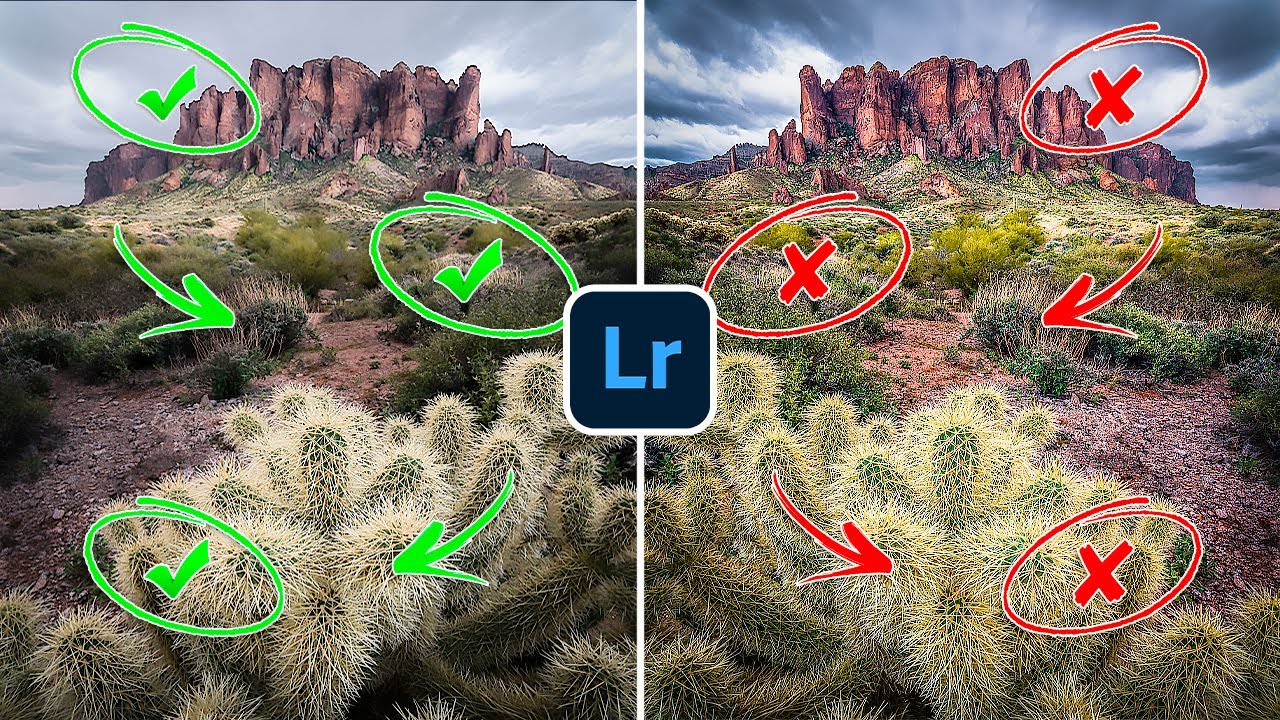
There’s a specific kind of frustration that comes from standing in front of a beautiful scene, knowing your camera can’t hold it all. The sky is blazing, the foreground is buried in shadow, and you’re forced to pick one exposure and compromise on everything else. I’ve stood in that position more times than I can count over the past two decades, and honestly, the feeling never entirely goes away. What does change is how confident you are that you’ll fix it later.

Why Your Landscape Photos Aren't Sharp (And the Three Field Fixes That Actually Work)

Why Your Landscape Photos Aren't Sharp (And the Three Field Fixes That Actually Work)

Sharpness problems are humbling. You drive to a location before dawn, you nail the composition, the light cooperates, and then you get home and pixel-peep your way into disappointment. I’ve been shooting landscapes full-time for two decades and I still have sessions where I pull images off the card and wonder what went wrong. It’s rarely focus. It’s rarely the lens. It’s almost always something I did, or didn’t do, in the field.

Reading the Water: Seascape Composition Lessons from Cathedral Rocks

Reading the Water: Seascape Composition Lessons from Cathedral Rocks

There’s a particular problem that humbles coastal photographers more than almost any other situation: you arrive at a beautiful rocky shoreline at first light, the sky does something extraordinary, and you freeze. Not from cold, though that’s real too, but from indecision. Where do you stand? Which way do you point? Do you wait for the wave to come in or let it pull back? I’ve been making images for twenty years and I still feel that paralysis sometimes.

What 30 Landscape Photos Taught Me About the Mistakes We All Keep Making

What 30 Landscape Photos Taught Me About the Mistakes We All Keep Making

There’s a particular kind of clarity that comes from watching someone else’s work get reviewed. Your defenses drop. You’re not protecting anything. And suddenly the feedback lands differently than it ever does when it’s your own image on the screen. I’ve been shooting landscape and nature work for two decades, and I still find these critique sessions more instructive than most technical tutorials, because the problems that show up in other people’s photographs are almost always problems I’ve made myself, sometimes last week.

How Verity Milligan Taught Me to Stop Hunting for the Shot

How Verity Milligan Taught Me to Stop Hunting for the Shot

There’s a version of landscape photography I practiced for years that looked something like this: arrive at a location, immediately start scanning for a composition, feel vaguely frustrated when nothing obvious announced itself, shoot anyway, drive home disappointed. I was treating the landscape like a puzzle to be solved on a deadline. The mountain, as my old mentor used to say, does not care about your schedule. What I’ve come to understand after two decades of doing this work, mostly through hard-won mornings standing in the dark waiting for light that may or may not arrive, is that the photographers whose images actually stop people are rarely the ones running the most disciplined systems.